FROM BASRA TO ERBIL – HOW TO SOLO TRAVEL UP IRAQ
Visited / March 2024
TL;DR
- I was welcomed everywhere with a smile and felt safe
- Lots of English speakers
- Minimum 1 week for federal OR Kurdish regions
- Minimum 10 days for both regions
- Shared taxis are how you get between cities
- Careem is the main ride-hailing app, works well
- Stay in Hotel Palestine in Baghdad at least 1 night – unique experience
- Take the train if you are travelling between Baghdad – Basra
- Take local tours to key sites (like Babylon), unless you have lots of time
Unmissable Sites
- Babylon
- Imam Ali Shrine & Wadi-us-Salaam Cemetery, Najaf
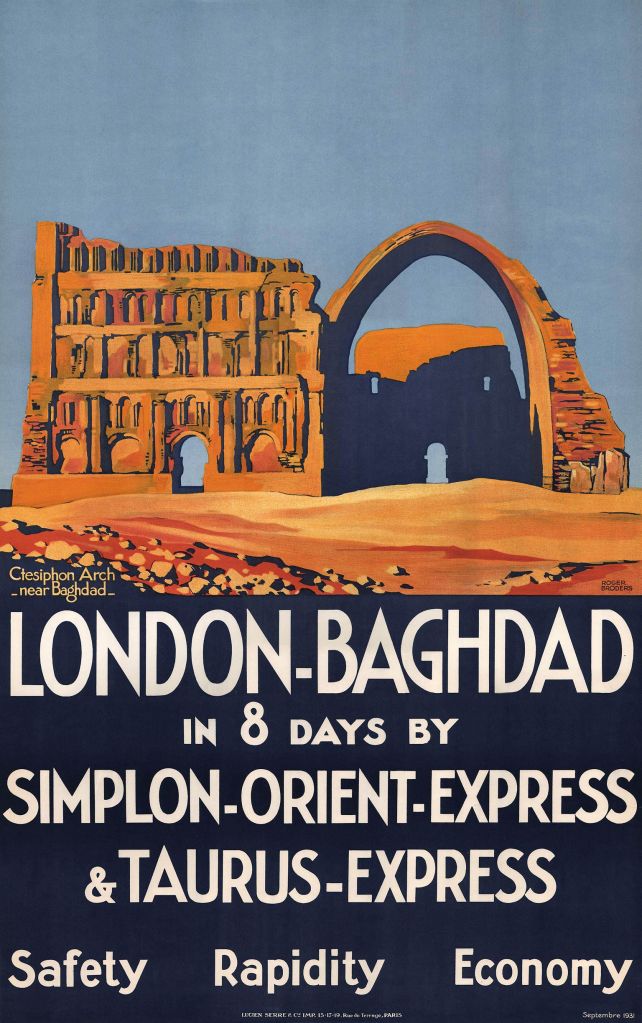
- Taq Kasra / Arch of Ctesiphon
- Ziggurat of Ur
- Great Mosque of Samarra
- Hatra
£1122.90
Total Spending
Tours and hotels in Iraq are very expensive, with transportation not far behind if you can’t get a shared taxi.
£102 / $134
Spending per Day
This could have been reduced with knowing which budget hotels to stay in before. Solo tours also increased this average.
11 Days
Time in Country
To explore Kurdistan properly as well, a further week would have been needed with a similar daily budget.
People
Favourate Part
The people of Iraq are incredibly friendly and will always try and talk to you, offer you food, or invite you to their homes!
In March 2024, aided by the previously introduced visa on arrival for Brits, I plucked up the courage to simply walk into Iraq and embark on an undetermined length journey north through the country. Iraq has fascinated me from the age of 9, when we were studying the Seven Wonders of the Ancient World. We were tasked with drawing one of them, and as I also liked nature, I of course chose the Hanging Gardens of Babylon. The gardens, are believed to have been built around 600 BCE by King Nebuchadnezzar II for his wife Amytis; an engineering marvel at the time they featured terraced gardens with lush vegetation, although their actual existence and location is still unfortunately debated by historians. The history of this region, especially Babylon, has captivated me ever since, and so my excitement to finally visit the places that I have read so much about overcame my unwanted, and probably unjustified, nerves.
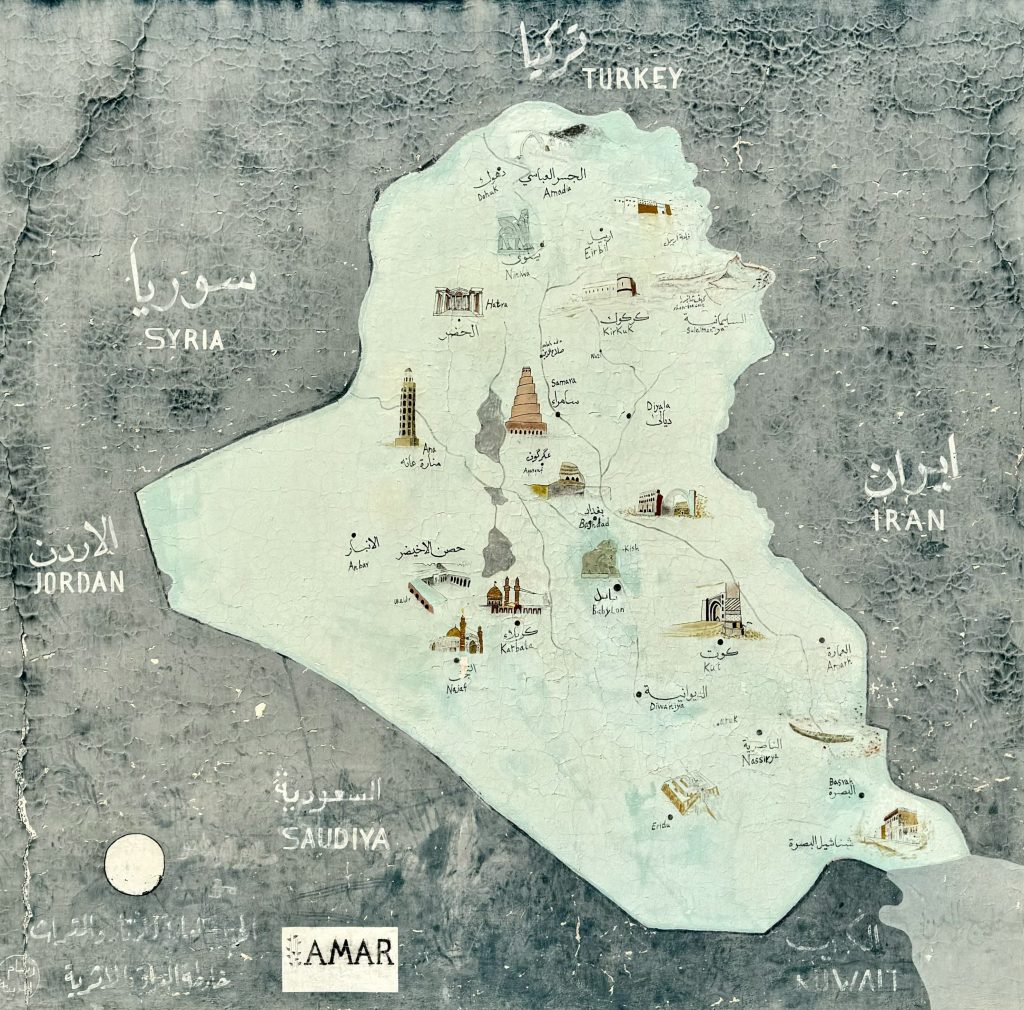
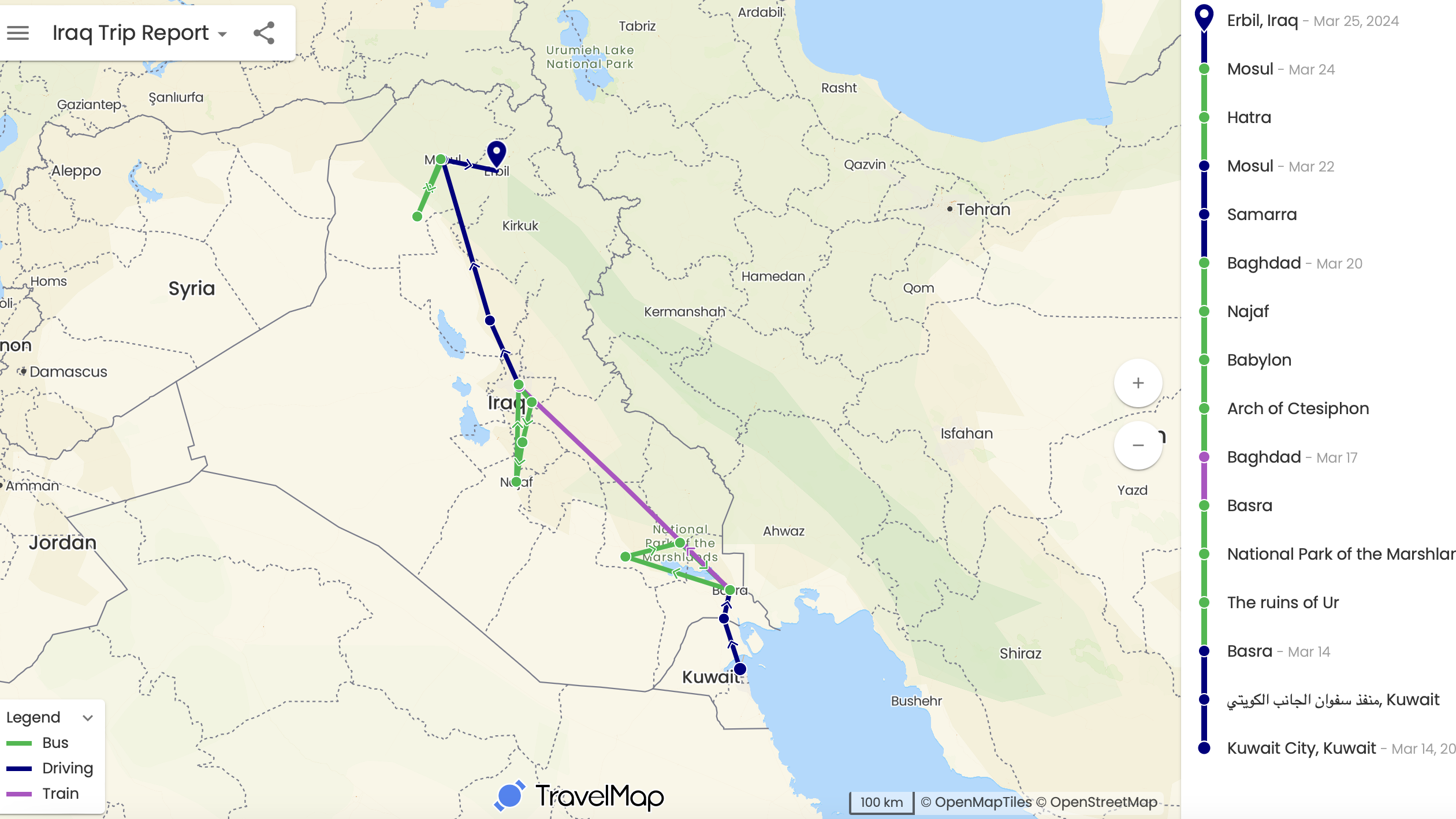
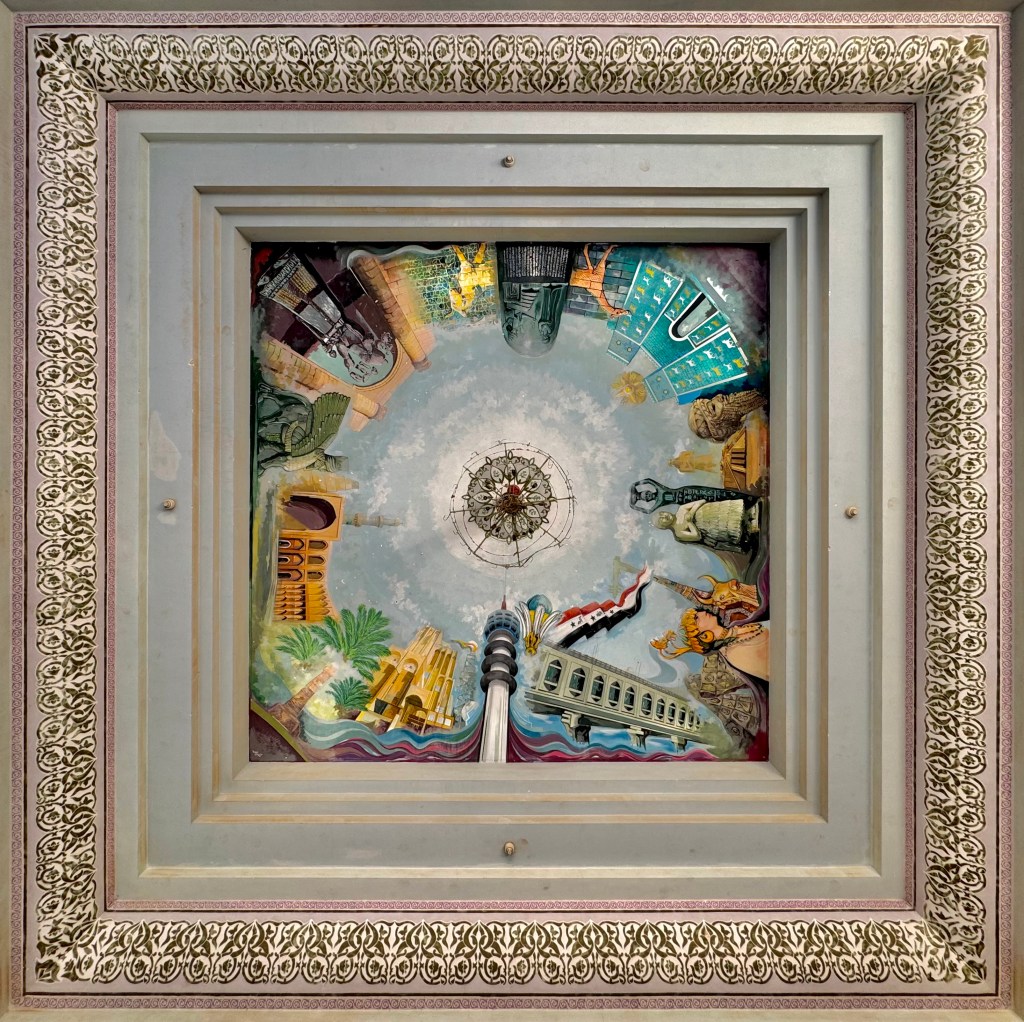
I will start this trip report with what you need to do to get into the county overland via Kuwait, followed by my itinerary grouped into locations. The route map can be seen below, linked to the interactive version, which of course roughly follows the Babylon map painting above.
Getting In: “The Green Slip” (Overland from Kuwait Only)
Kuwait, another story entirely, had some requirements for overland departure to Iraq at the time of visiting (April 2024), but as of November 2025 this is no longer required. I will mention the requirement and how I obtained it though, in case it ever comes back into place.
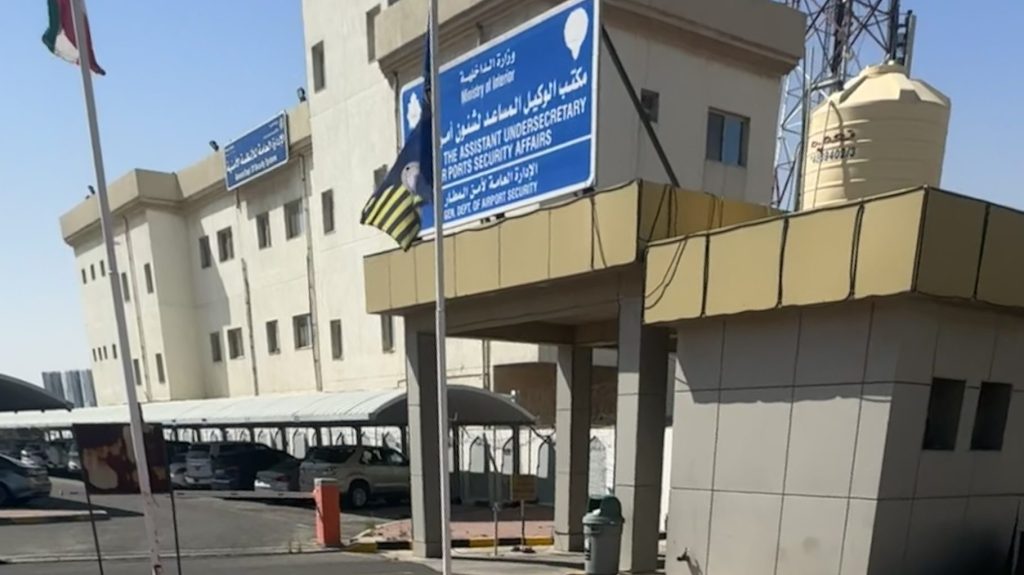
This requirement is what is known as ‘the green slip’, which is some sort of permissions slip that has to be obtained and signed at an office next to (or in the grounds of) Kuwait International Airport. This office is called the “Ports Management” office, which I will add a pin to below. Of course it has quite restrictive hours and so if you land after midday you will probably have to return to the airport the next day, as I had to do.
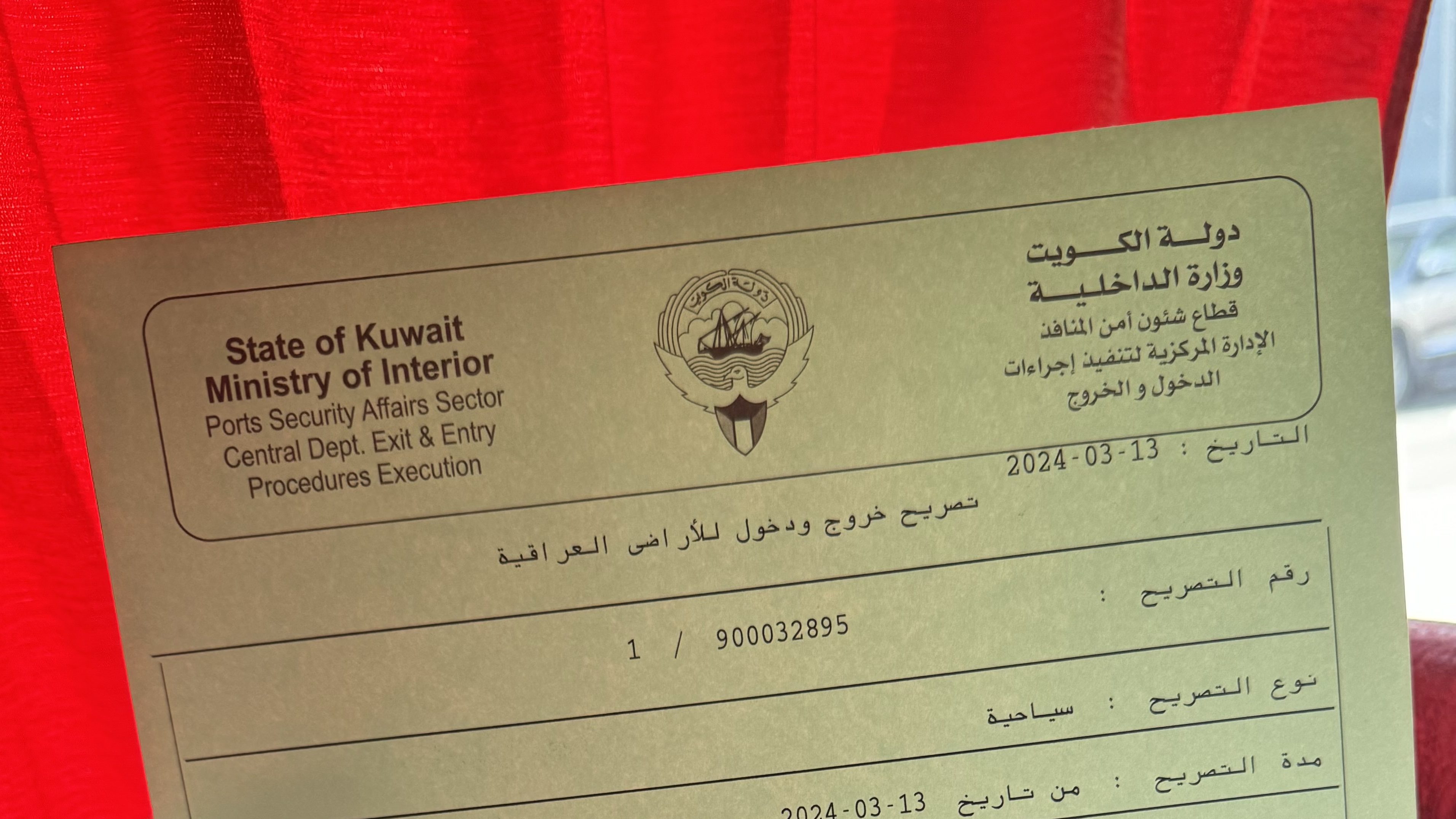
So, my first day in Kuwait I headed back to the airport to this office at 9:30am and the process went surprisingly smoothly. The building is in a guarded complex but the security guard spoke English and told me which building and floor to go to after I asked where the “Ports Management Office” is. Once I went in and went up to the first floor (straight on the right), I took a ticket at the electronic ticket machine right in front of me to the left side. Within a few minutes I was seen and the guy again spoke English, so I asked how do I get the slip for entrance to Iraq, but told me that entering Iraq is another counter and they don’t start until 10am (maybe due to Ramadan). Once they opened they also spoke English and were nice and friendly. I asked again about an Iraq overland slip, they understood and I got it in minutes. I was then told to go to another office for the police to sign it, so make sure it’s signed! They will guide you in there no problem, then it’s all done.
Getting In: The Kuwait – Basra (Safwan) Border Crossing
It was heading to Iraq day! I arranged private transport to the border which cost £50 because I didn’t want to attempt public transport, I was already a bit anxious. The taxi drops you off at a sort of car park bus stop on the Kuwaiti side of the border. You need to take a bus across the border apparently, which is bright yellow, so you sit in there and wait for some other people, paying 1 Kuwaiti dinar. The bus takes you to the border of Kuwait where they stamp you out – consistent with my experience of Kuwaiti border guards, they were unfriendly and asked me for something even though I had everything I needed (passport, visa from when I arrived, signed green exit permit) and eventually stamped me out. They give you some ticket thing which you hand in at the next exit checkpoint to prove something, no one knows.

Finally, you’re out of Kuwait and in the buffer zone where the bus takes you across, but then stops right before the Iraqi border. You then walk across and you’re in Iraq! My passport was checked by the Iraqis, then you’re guided to the immigration security control building where there is a visa booth, go there and get a visa 🙂 I paid $100 for my $80 visa and got $20 back in Iraqi dinar as change. All went smoothly, then showed it to the immigration and I was through. Now you can either get one of the taxi drivers there, or walk out into Safwan, but then you’ll need a taxi from there anyway. Luckily a friend of a friend picked me up from the Safwan border to take me to Basra. 😌
Days 1-3 / Basra
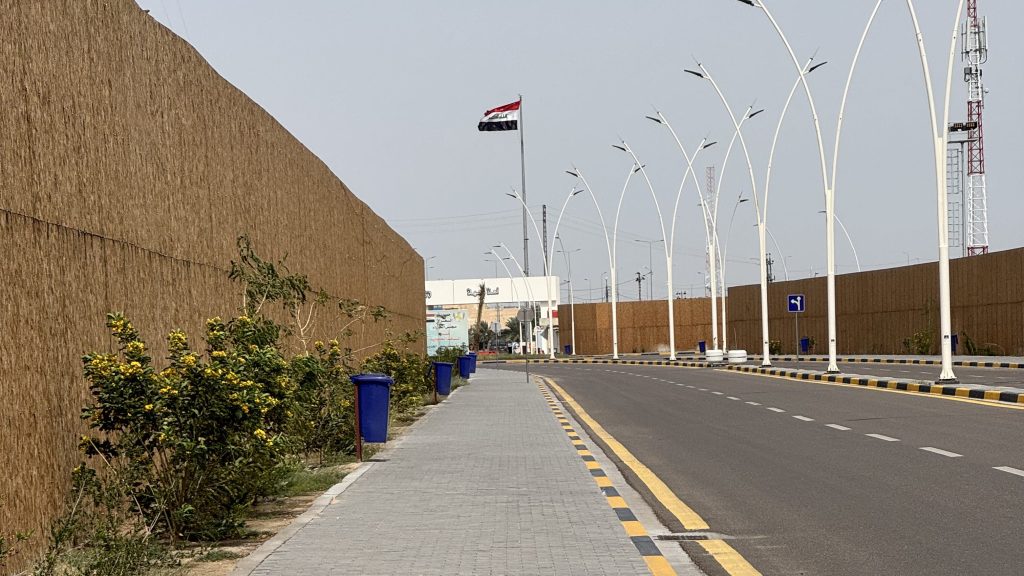
Immediately the vibe was more relaxed than Kuwait, especially with regards to Ramadan. We went to a restaurant called Top Organic during the day which was amazing, then I checked in to the Horizon Hotel (very nice but stupidly expensive at $150 a night, don’t stay here if you’re on a budget or have any value of money). We later walked along the corniche (river front) at night which was awesome and had some local Iraqi kebabs and stuff with my friend’s family, as well as way too many shots of delicious coffee. Iraqi hospitality and the long coffee history already felt. My friend was driving me around on the first day, but was busy the next day, so I planned to do my own Basra walking tour! Basra is easily walkable, but if you need to get around by car then the Careem app works great.

The next morning I started my own Basra walking tour, heading straight to the cornishe to see two of Saddam Hussein’s old private yachts, the Basra Breeze and the Al-Mansur! The Breeze is still afloat, not far from the Italian Bridge, but the Mansur was sunk just north-west of the red and white pylon lift bridge (location of the Al-Mansur is on Google Maps), but you can still see it sticking out of the middle of the river. I will write more about these ships, and Saddam’s legacy in general, in another post.

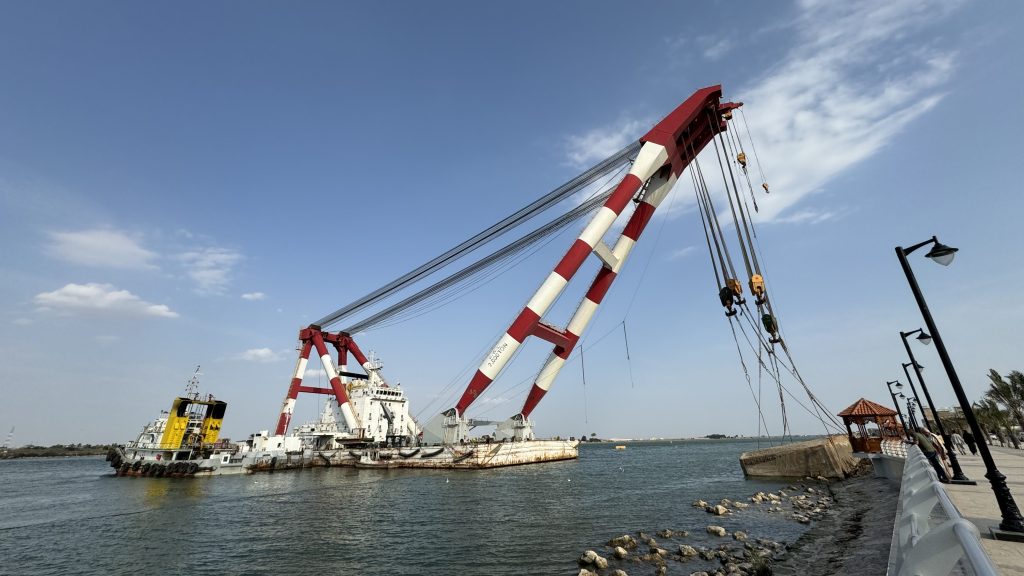
As an engineer, I then spent more time than most admiring the huge crane ship, named Abathar, currently docked in the Shatt Al-Arab river. You can find it on MarineTraffic, so I hope that it is still there for you to enjoy!
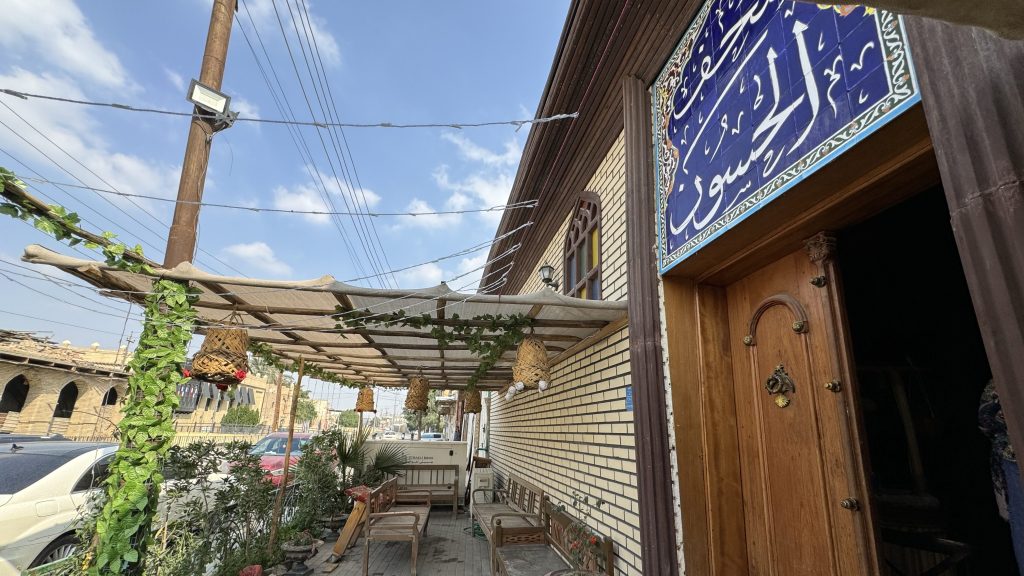
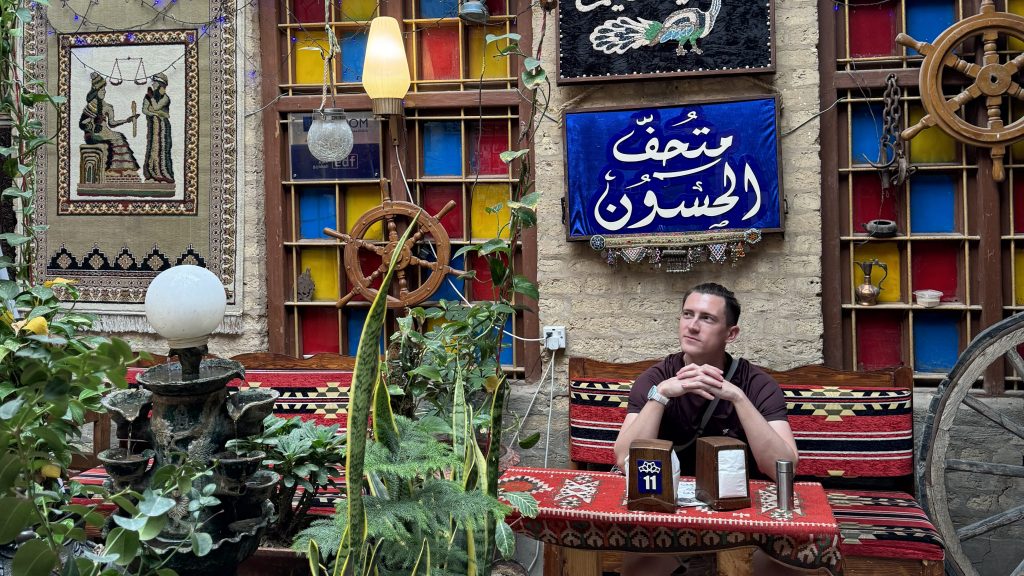
There are not many other sights to see in Basra for me to be honest, apart from the traditional Basran Al-Hasun Museum. This little place is very unassuming and rather hidden, in a very nice neighbourhood in the old town of Basra!
There are many highly decorated rooms full of incredible antiques, including loads of British memorabilia! This cosy place is also a restaurant serving local Iraqi dishes, the owner is super warm and friendly, and it even offers rooms to stay! I’ve pinned the location below, but I’ll write a separate piece on this place soon as it deserves it 🙂
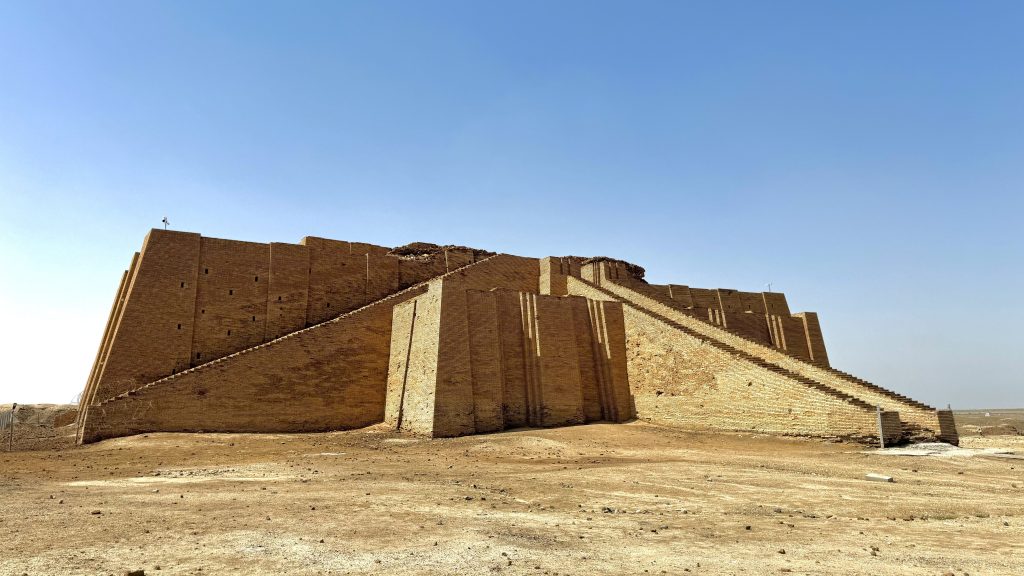
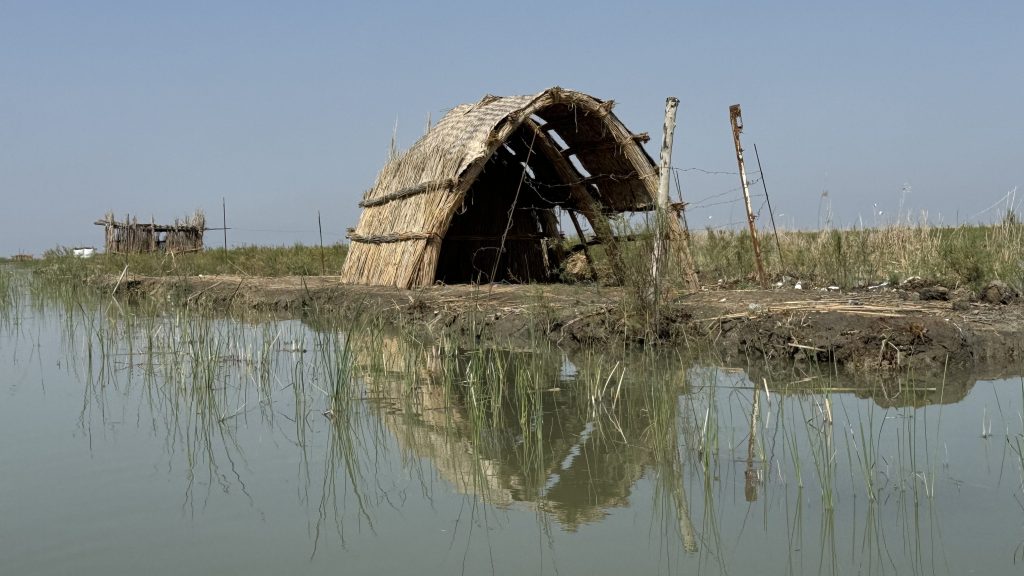
The next day I met my friend’s family again and they took me to a tourism office to book a tour to Ur and the Iraqi Marshes. Up to this point I didn’t get any contacts or information on getting to these places because Ramadan had stopped many private tour guides from working. I’m sure I got ripped off with the $200 day tour that this company charged me, but I had to see these places! The company office that we went to was opposite the Top Organic restaurant, and they promised an English speaking guide, however this was not the case. Unfortunately I would not recommend this company as I was simply drove around, luckily the sights were still incredible and the driver was good fun! Good luck with shared taxis to Ur and the Marshes, especially if you’re tight on time, the best way is probably ask a random taxi driver on the street to take you to them for the day but I wasn’t up for doing that yet.
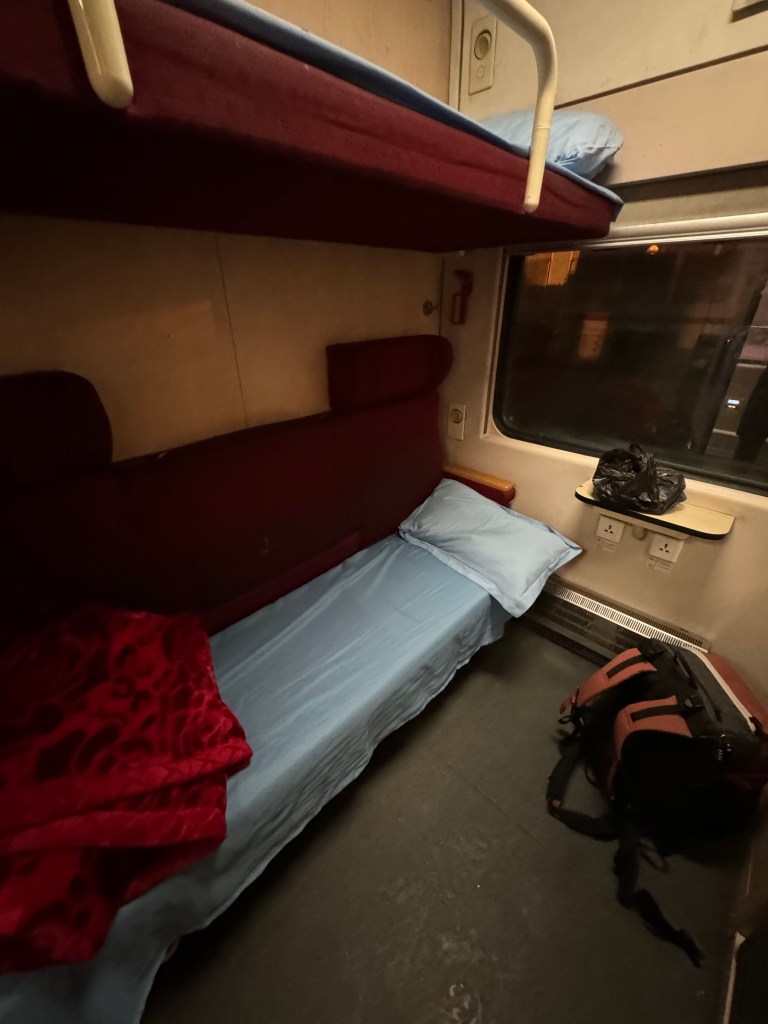
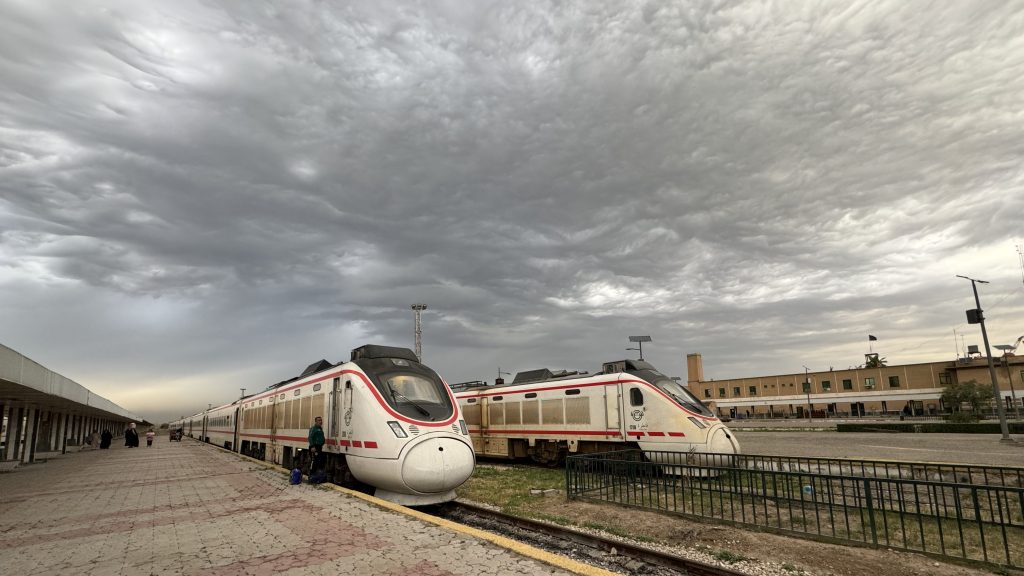
After getting back to Basra following the tour I took the night train to Baghdad, which I had to book the same morning and isn’t possible any earlier or online yet, so I got the tour driver to stop at the train station on the way to Ur. A full 2-birth compartment was about $45 so I just booked that, with the 4-birth costing about $20 per bed I believe. I only learned of this because my friend’s family took me to the train station the day before and tried to buy a ticket for me, without Arabic I would probably have been totally screwed here but everyone is still very friendly and trying to help you out. Anyway, all aboard the night train!
Days 4-7 / Baghdad
The train wasn’t amazing, clean or comfortable but it’s a good experience and a good way to get to Baghdad saving time and money, plus you get to arrive into the Baghdad railway station which is one cool building ticked off!
I went straight to the Palestine Hotel with a Careem and it costs $85 for a night, booked on arrival and in USD cash only. It’s outdated obviously, however it’s also very cool to stay here due to its recent history and that it looks like you’ve gone back into the Orient Express days. I slept for the rest of the morning as the train arrives at about 6:30 and I barely got any sleep, so I kinda got 2 nights for the price of 1 :’)
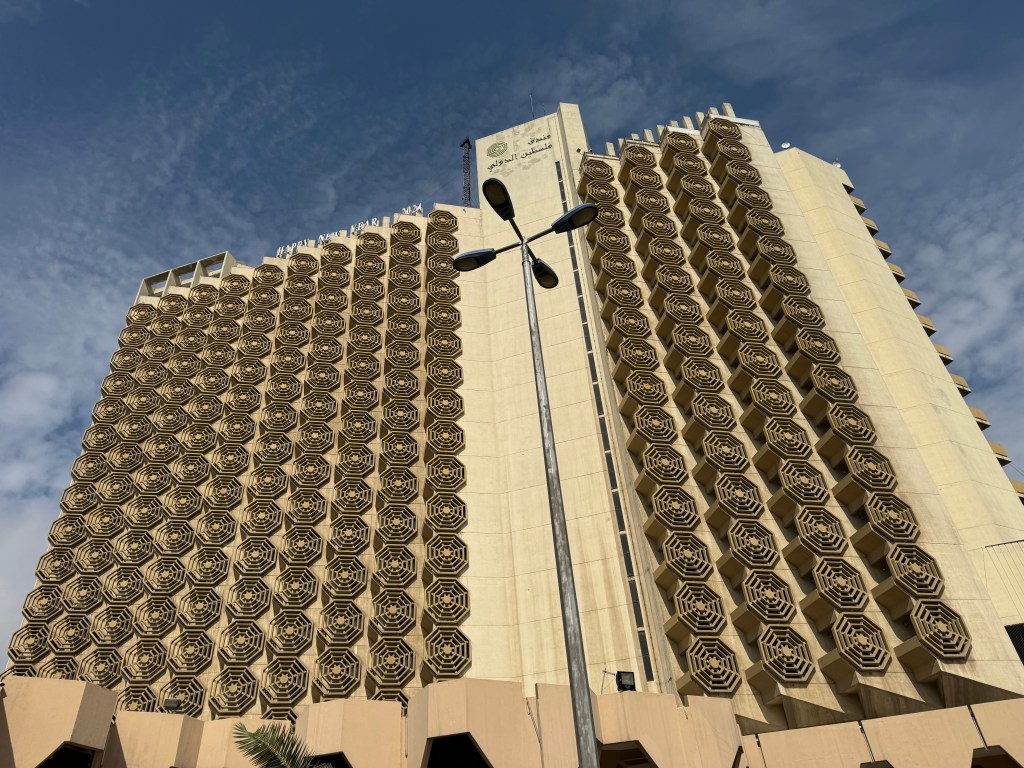
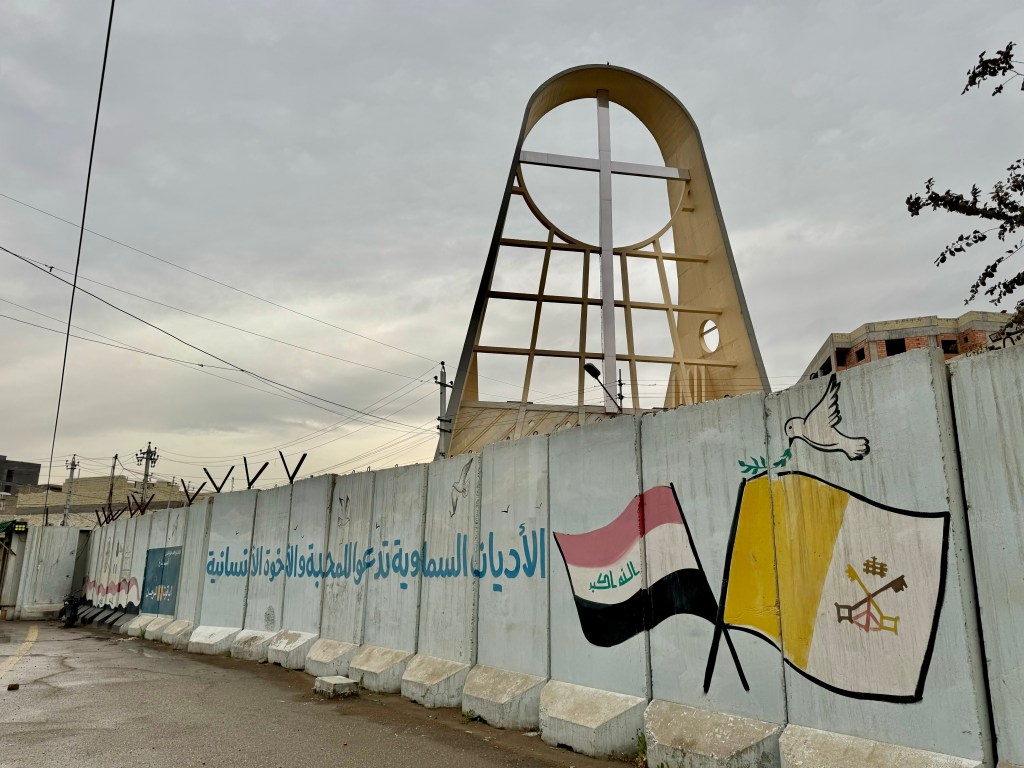
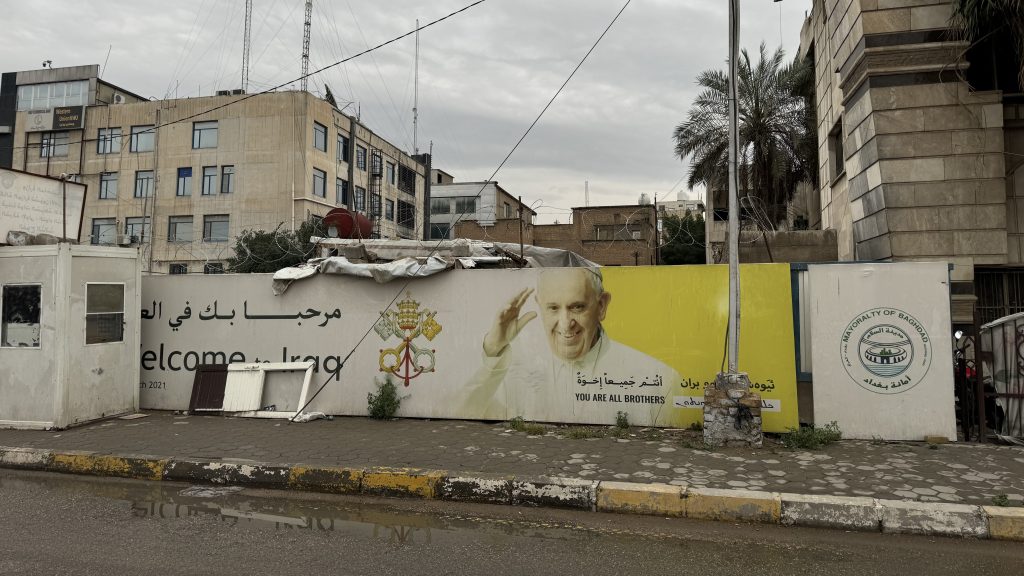
The location of the Palestine is great and you can walk around everywhere nearby, including for cheap street food like falafel in Iraqi bread with hummus and stuff for a dollar! I finally left the hotel again to explore some local churches and mosques, surprisingly seeing many Vatican flags and Pope pictures!
The next day I got Careems around to see the national museum, some monuments such as the Victory Monument, the Save Iraqi Culture Monument and the Marty’s Memorial Monument (north side of the city). The museum closes at 1pm for some stupid reason and even earlier at 12 during Ramadan, so I was cut short by an hour and had to rush. The Martyr’s Monument was also closed for no reason and no sign of repairs or anything so I had to take pictures from afar after taking an hour long Careem to get there. I found the same kind of thing happened later in the trip multiple times, including with Taq Kisra and Samarra – all closed for either no or “maintenance” reasons yet with nothing going on.
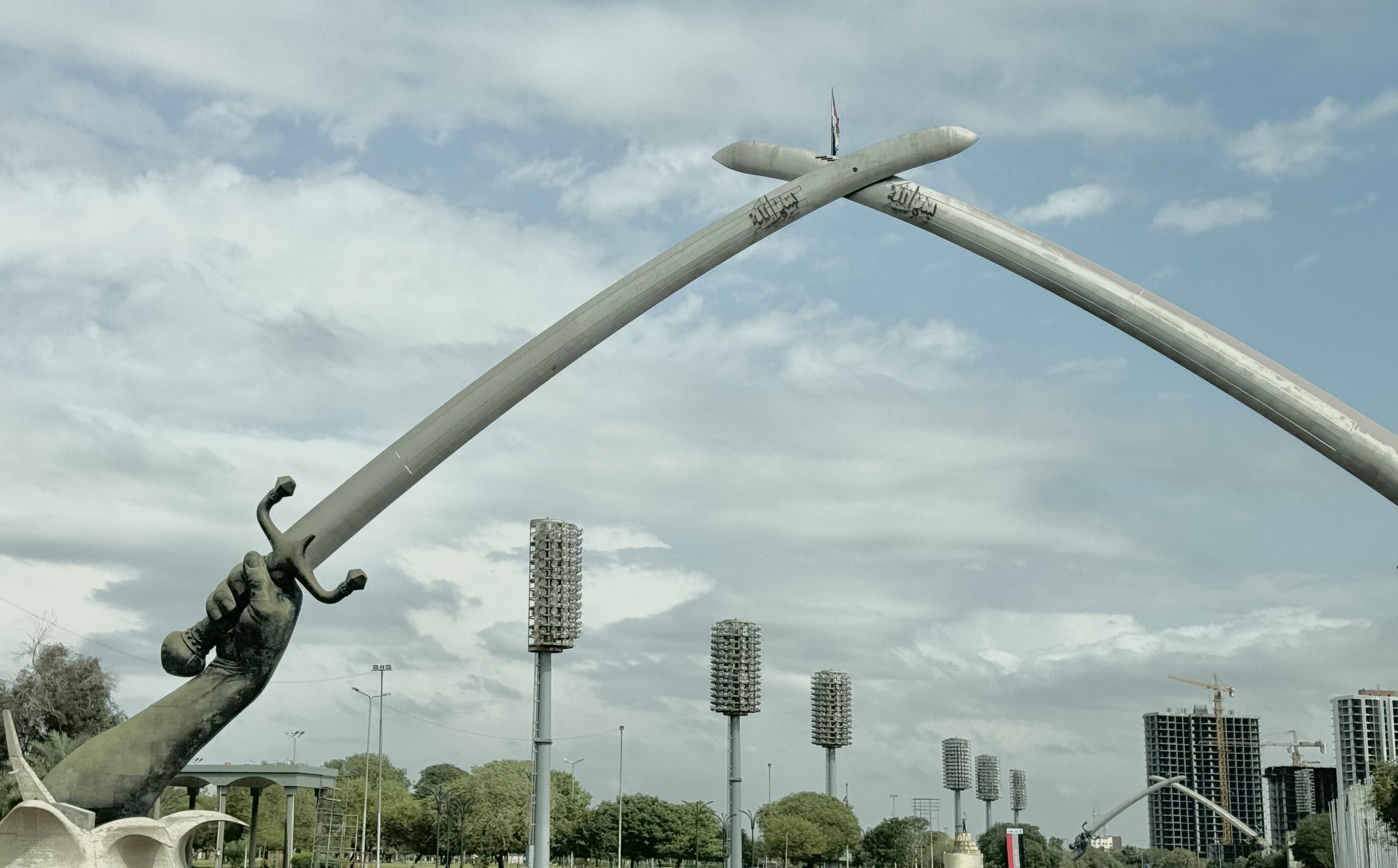
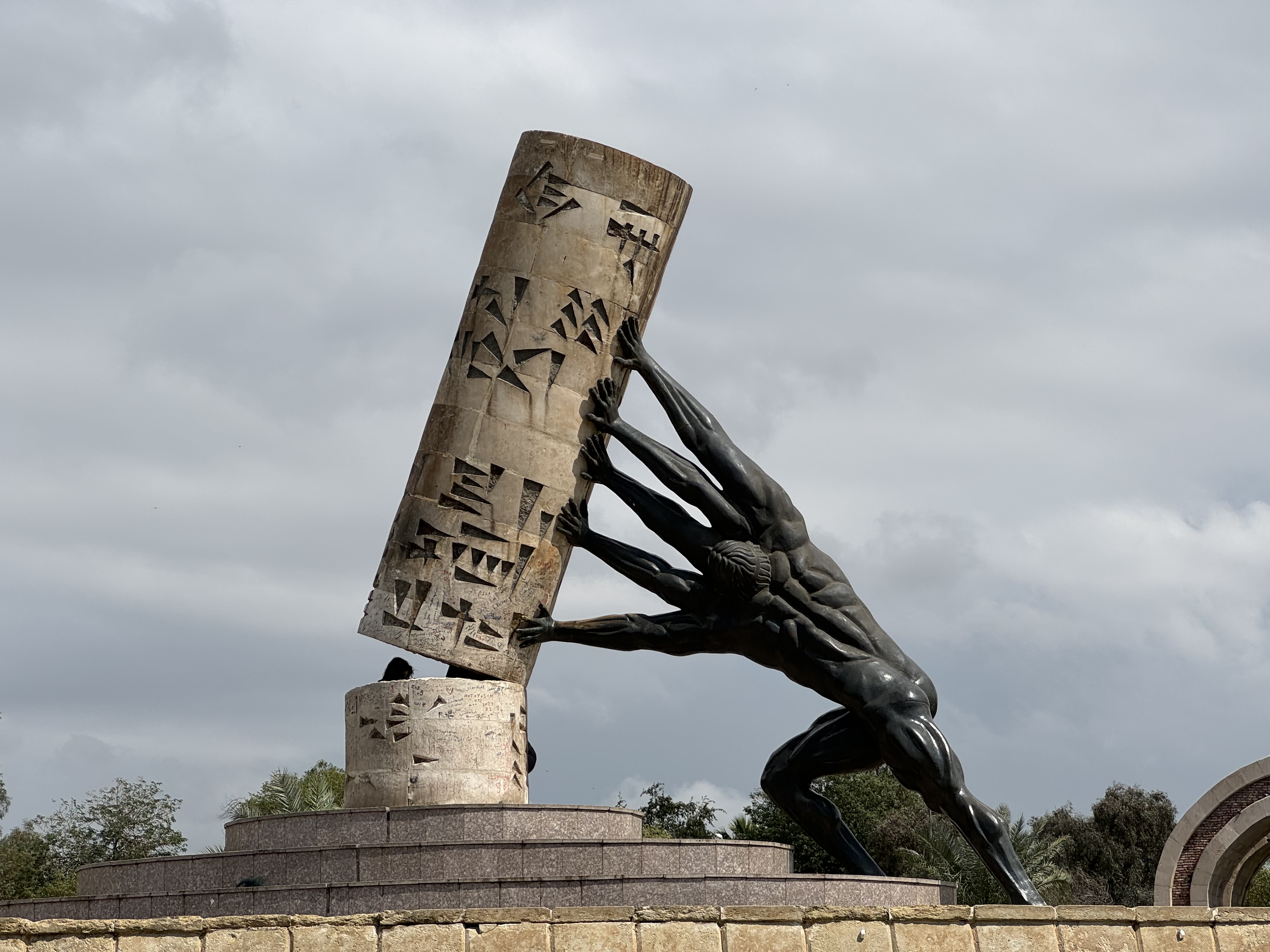

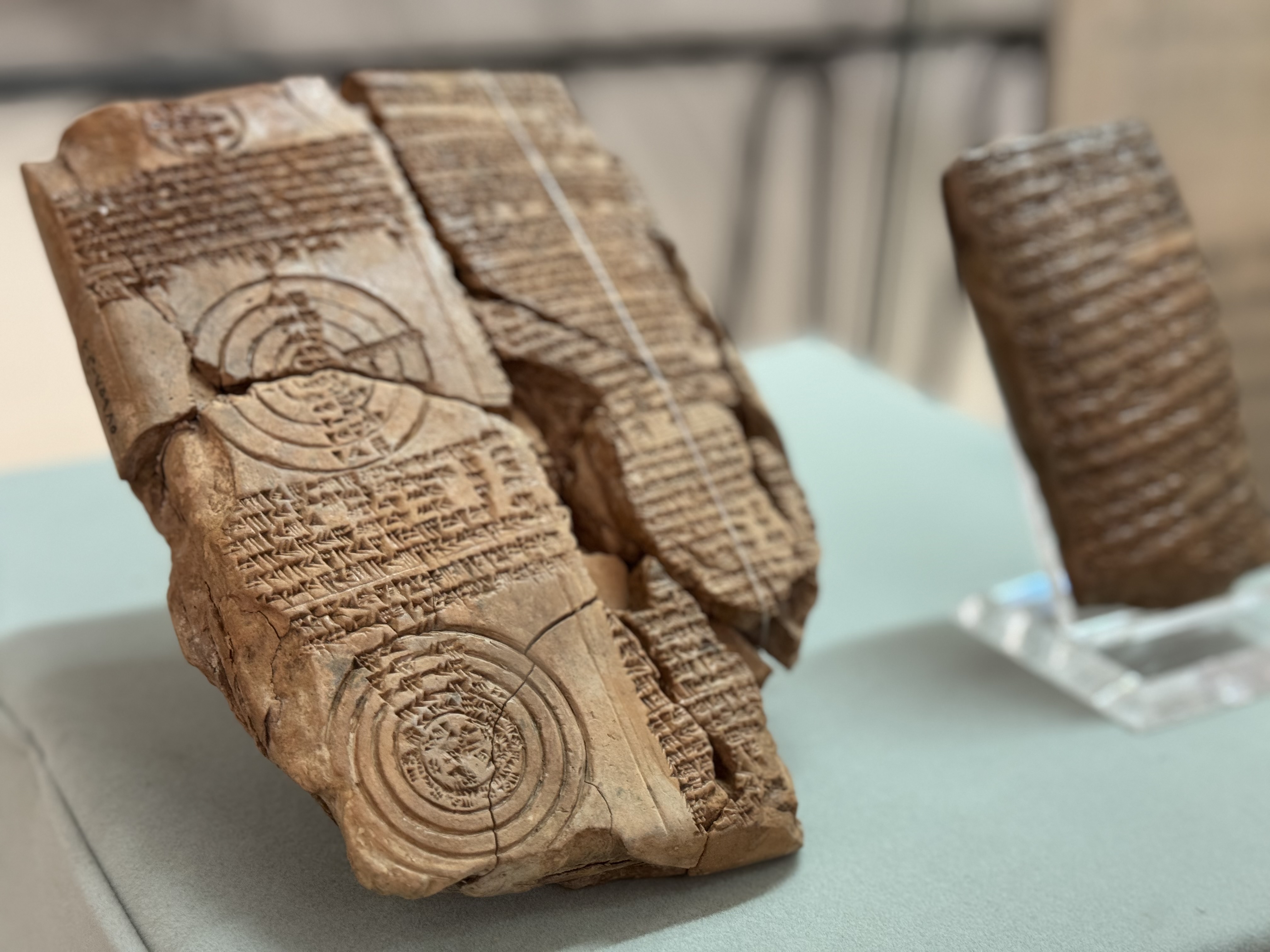
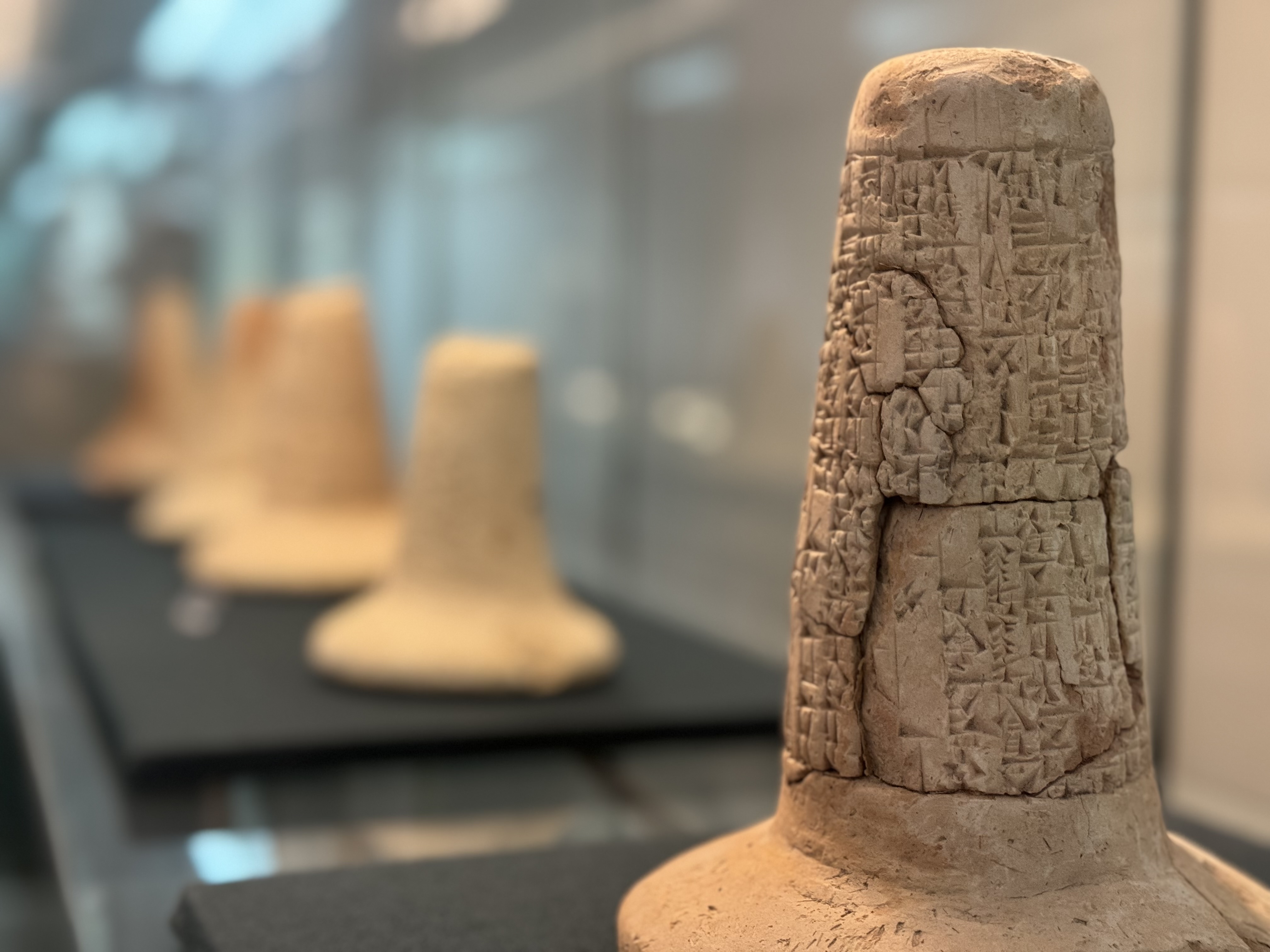
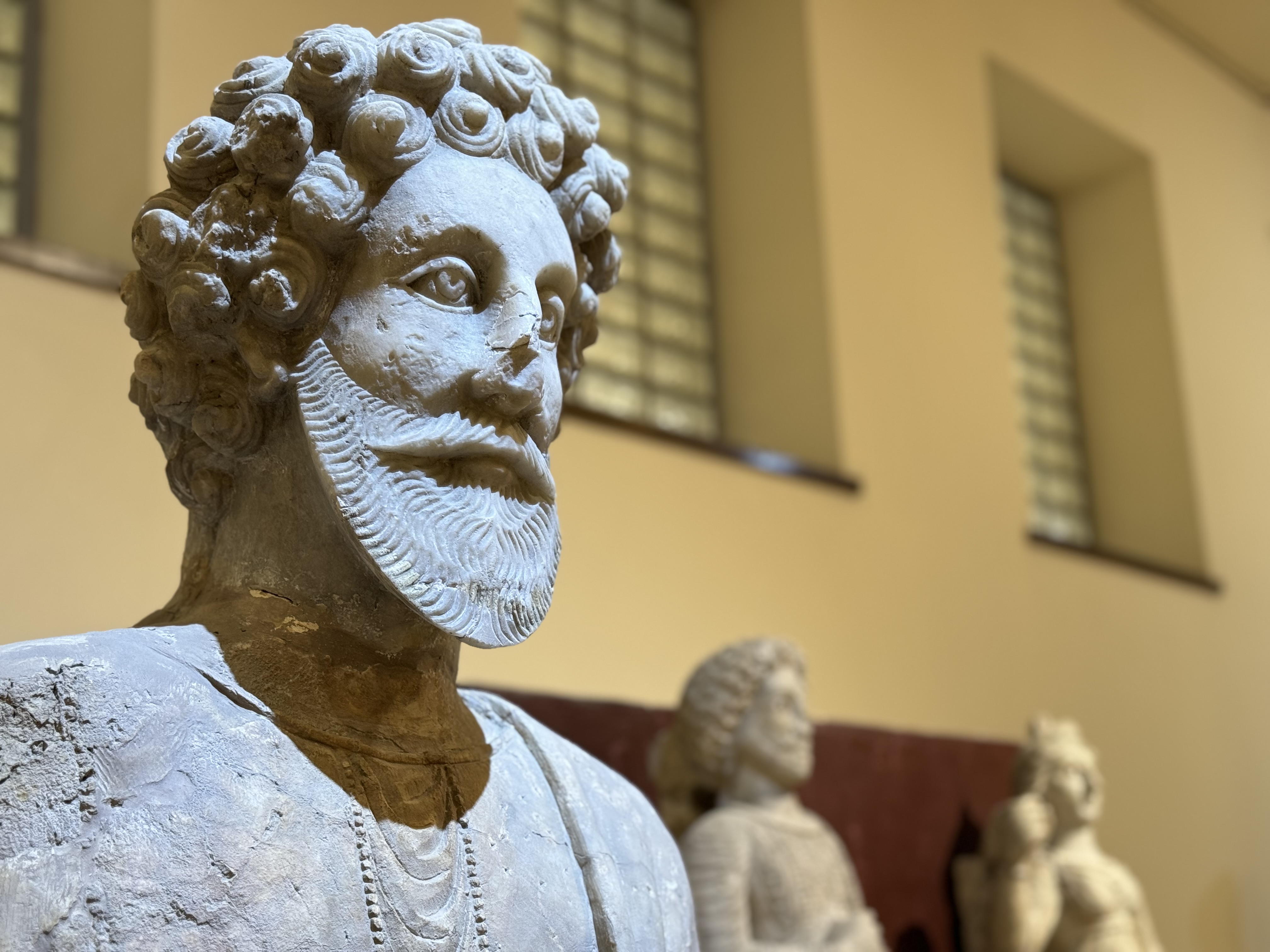
Victory Arch / Save Iraqi Culture Monument / Martyr’s Memorial / Iraqi National Museum, Baghdad
That night I stayed in the Gilgamesh hotel ($50 a night instead of $85) down the road from the Palestine, and I advise you to never ever stay in this place. The staff were not helpful or very friendly, breakfast wasn’t served due to Ramadan and they didn’t tell me (all other hotels still served breakfast during this time), but the worst thing is that the shower and tap water was so permanently boiling that more steam than water came out, so there was basically no water. Please see my YouTube series (Part III) to see the shower/steam room situation.
1 Day 1 Night Tour / Taq Kisra, Babylon & Najaf
I was trying to figure out how to see Taq Kisra, Babylon and either Najaf or Kabala without taking too long and preferably with a tour. The tour companies were quoting me $250-$350 for day tours to Najaf via Taq Kisra and Babylon which is pretty outrageous, especially as a solo traveller. If you don’t want to do a private tour, there’s no public transport so you’d have to get shared taxis to nearby Babylon and then Najaf separately. You’d probably have to get a private taxi to Taq Kisra though I think as there’s not many other people going there.
Anyway, I ended up contacting a private tour guide from the travel groups called MK and he charged $180 for the day to Taq Kisra, Babylon and then staying a night in Najaf, then driving back the next morning. The night and Babylon entrance fees weren’t included but were about $8 and $20 respectively. It’s still expensive but tourists are left with no choice but to do these tours if you don’t have too much time.

The tour was good and not only did MK speak perfect English but knew his way around the Taq Kisra area including up Saddam’s theatre panorama viewpoint, around Babylon including Saddam’s palace, and Najaf. Taq Kisra was closed but we got a good view of it and the scaffolding (no workers) from climbing on the temporary concrete wall erected around it.

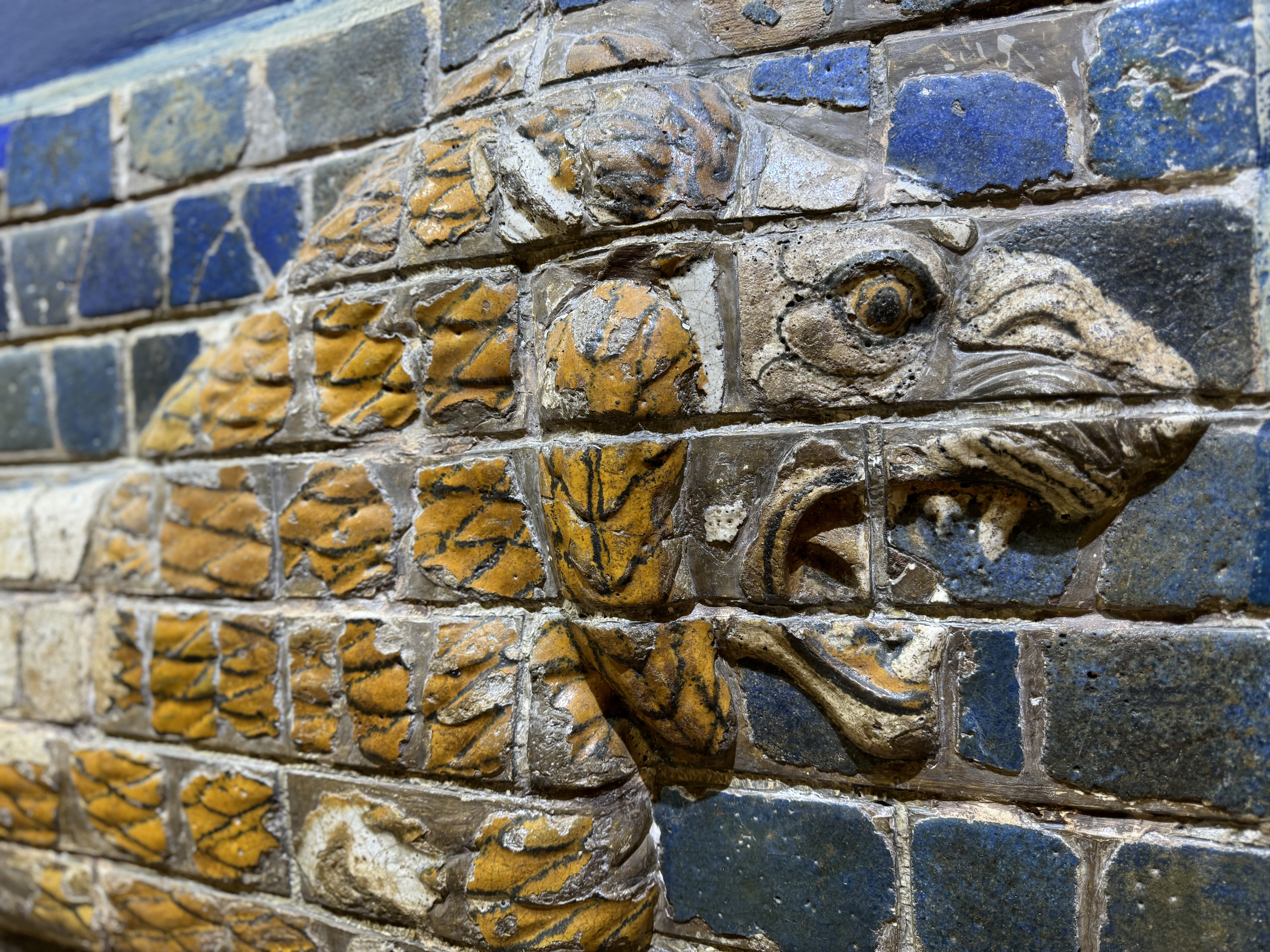
Babylon was incredible and I’m so glad I got to stand in the place I had read about most of my life, walking through the many enormous gates and mazes, a mixture between original walls and reconstructions during the Saddam era.

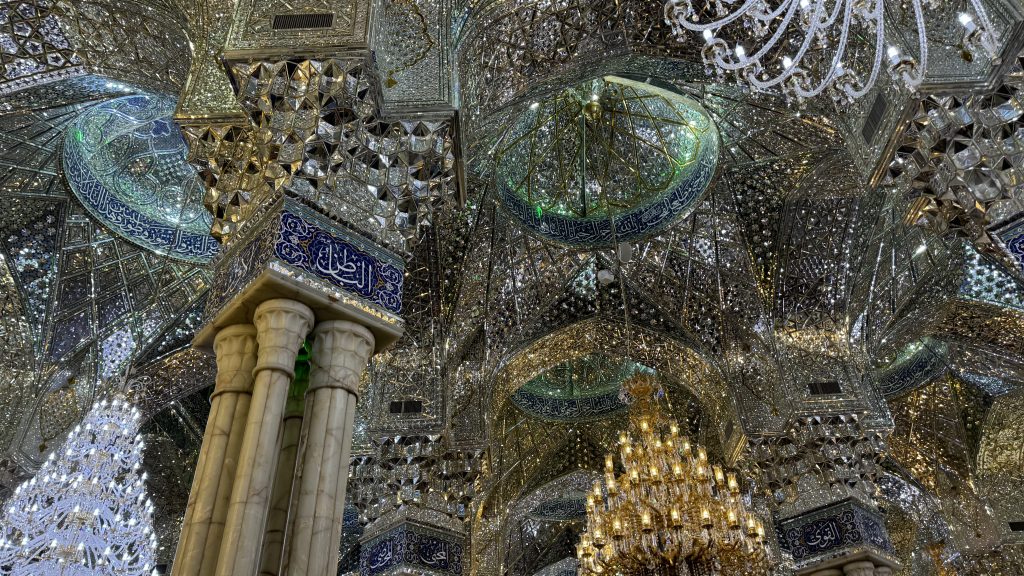
Finally, the Imam Ali shrine in Najaf is simply spectacular, I have never seen anything like it in my life, especially during Ramadan. You could hear the sound of Iftar as people started eating as loudly as the call to prayer, which was all quite a sight with so many people in such a holy setting. Teamed with the largest cemetery in the world, the Wadi Al-Salam, I would say Najaf is quite unmissable on a trip to Iraq. The ground around the Imam Ali shrine is believed sacred by the muslims, hence the reason for such a large, and also compact cemetery, with even many layers of graves on top of one another.
When we got back from Najaf I hung around Baghdad planning my next route north, and stayed in Barakat Palace which I totally recommend, probably the best price to quality ratio in Baghdad at about $25 a night.
Day 8 / Samarra – The Journey North
I decided to finally get some shared taxis on my journey north to Mosul, as everyone recommends that as the way to travel Iraq and it saves a lot of money. Taxis north depart from the Alawi garage next to the train station, pinned on the map below.
I wanted to check Samarra out on my way north, so once I stepped out of my Careem at the garage and was asked by 20 people where I am going, I simply said Samarra and was immediately being ushered off into a taxi. The guy that took me to the taxi just opened the boot (trunk) of the car for my bag, but I wanted to double check the price first and so I used trusty Google Translate, however the guy couldn’t even read Arabic, so had to listen to the audio. He then typed “20” into my phone, meaning 20,000 Iraqi Dinar (15USD).
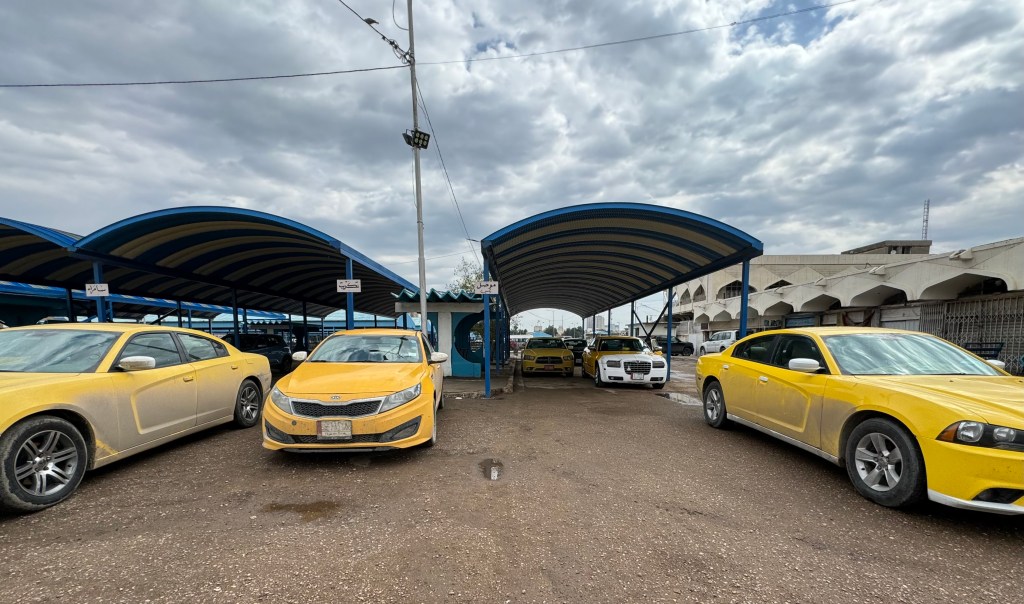
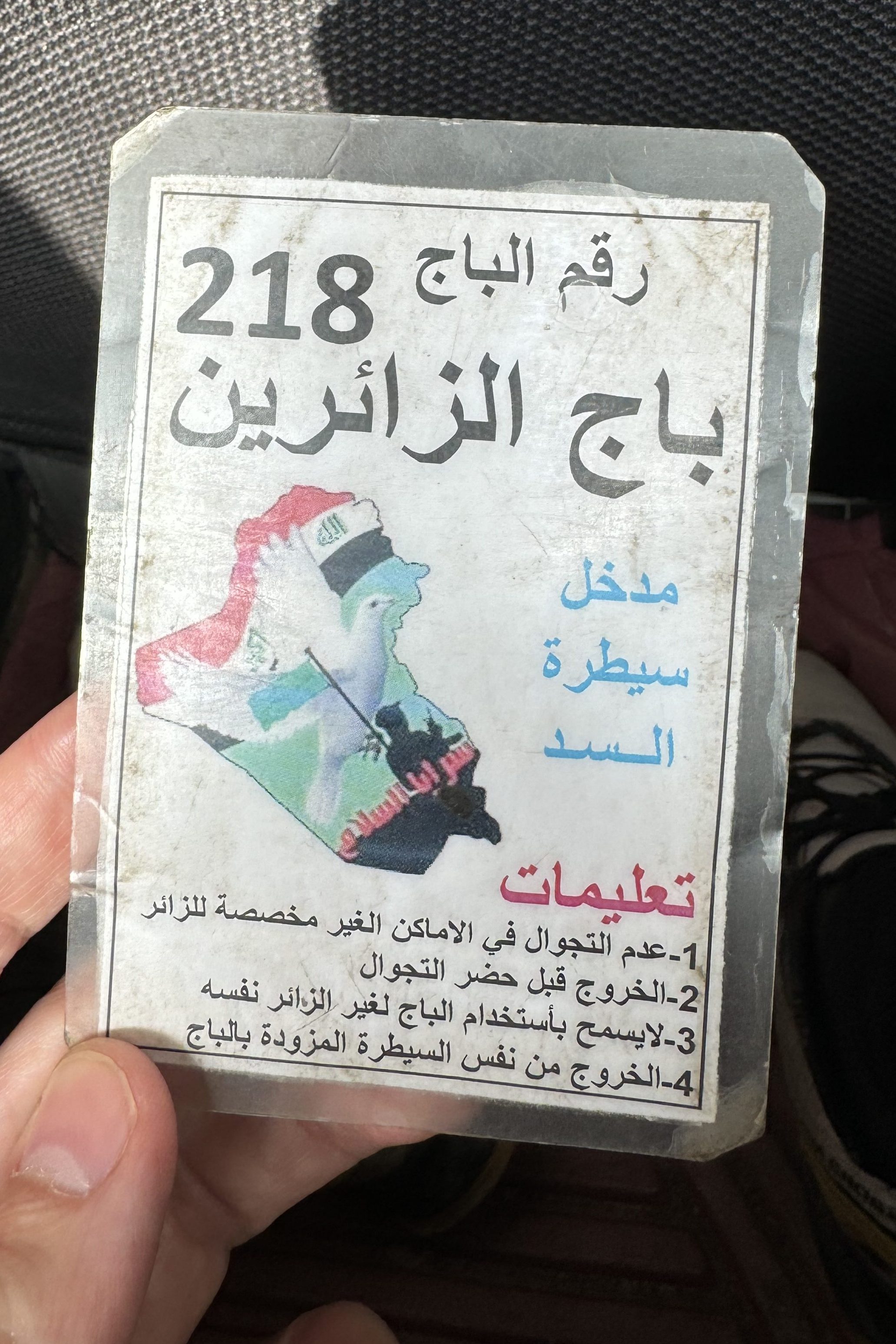
The rather uncomfortable but always adventurous $15 journey took about 2 hours, then I was in Samarra, which is incredibly controlled. They took my passport at the entrance to the city and gave me some visitor card instead, and the shared taxi driver said he would wait for me to take me further north, at least I assumed, as we didn’t understand each other. As you can imagine I was slightly concerned at this point, as if there was no taxi available I wouldn’t know how to get back to the gate to the city to get my passport.
The Great Mosque of Samarra, built in 851 CE by the Abbasid Caliphate, was closed. The entire site, not just the minaret staircase. As you may have seen, you can usually climb up the spiral staircase of the minaret, but the staircase has been closed for a while now with no reopening foreseen. I didn’t expect the whole site to be closed though, it was probably due to it being Friday afternoon and Ramadan. So I was there for like 15 minutes trying to take some pictures while the security were telling me off for even walking onto the other side of the road. I went back to my shared taxi friend who was waiting for me as he said. The ‘shared’ part however turned into ‘private’ for the journey to Tikrit (the next city towards Mosul which you usually need to stop in) as there was no one else there heading north. This cost $30 for an hour ride and luckily I got my passport back no problem, so there were many breaths of relief there.

Once we arrived in the Tikrit garage, I tried to find a shared taxi to Mosul, but I was the only person at the garage, probably because it was raining Ramadan at almost sunset time. So, the only way to Mosul was another private taxi costing $75 for the over 2 hour journey. This still seems quite a good price for such a distance, and I was lucky to even get a taxi at all at this time. This shared taxi journey had cost me $120 and took the whole day, so it would probably have been better to do a tour of Samarra and then get a shared taxi to Mosul early the next morning or something.
Days 8 – 9 / Mosul & Hatra
I contacted a local guide called Moomen, in fact he will contact you if you post in any of the Iraqi community groups on FB or WhatsApp. I agreed to stay in his “hostel” for 2 nights, so he picked me up from where the taxi dropped me off which was easy, he even arranged this with the taxi driver by calling me through my Whatsapp and chatting on speakerphone, so he’s super helpful. His hostel is far from the city centre so you’d need him to show you around ideally, and he was charging $70 a day for a tour and $100 for a day tour to the ancient city of Hatra. Hatra, personally, is a must-do in Iraq I think, especially if you’re going to Mosul.
These prices are steep like all the tours in Iraq which was really putting me off, as everyone is usually extremely friendly and hospitable, but anyone in tourism is really charging outrageous prices. The hostel was $20 a night which was also steep for a place with no toilet seat or toilet paper, but it was fine and Moomen stays there too in case you need anything.
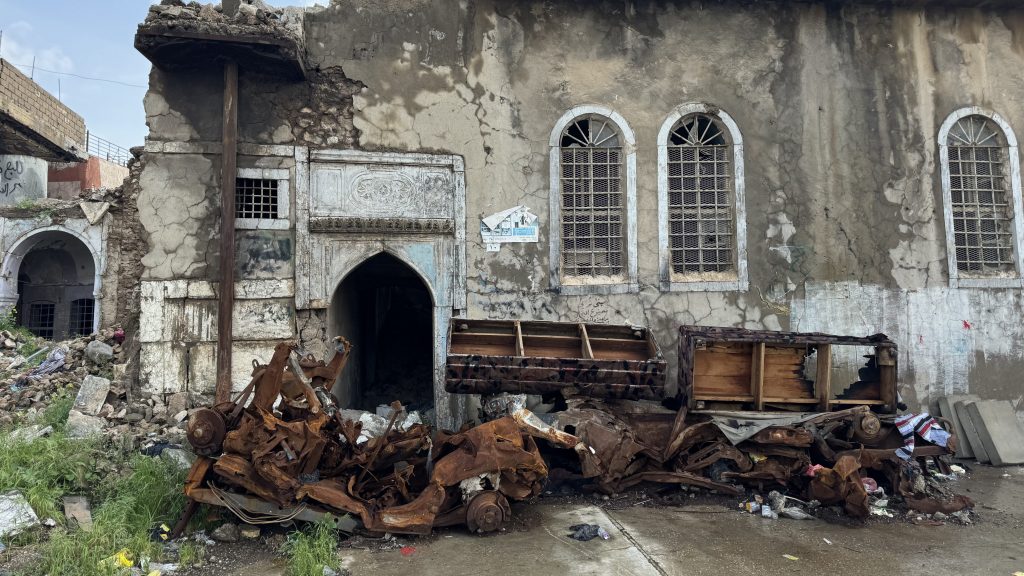
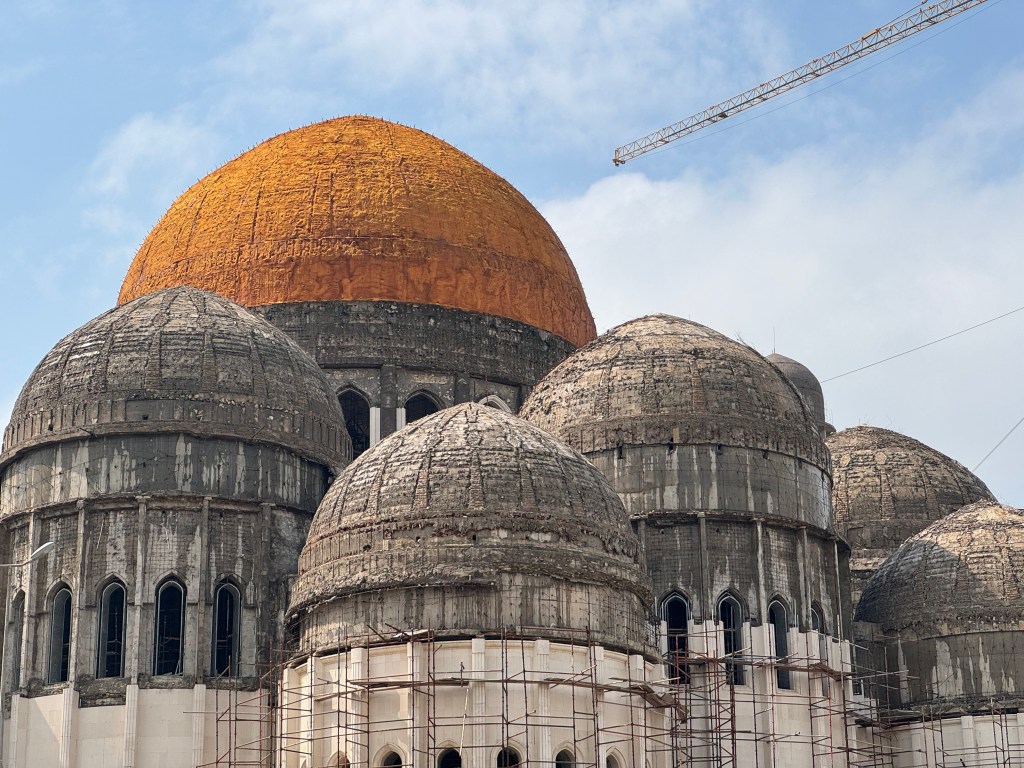
Mosul is, at the risk of sounding arrogant, a surprisingly nice city considering its recent past and current outside reputation, far better than what I expected in various ways. They have rebuilt lots of the areas which were destroyed in the recent conflicts and ISIS occupation, and so it looks quite modern, at least around the university area.
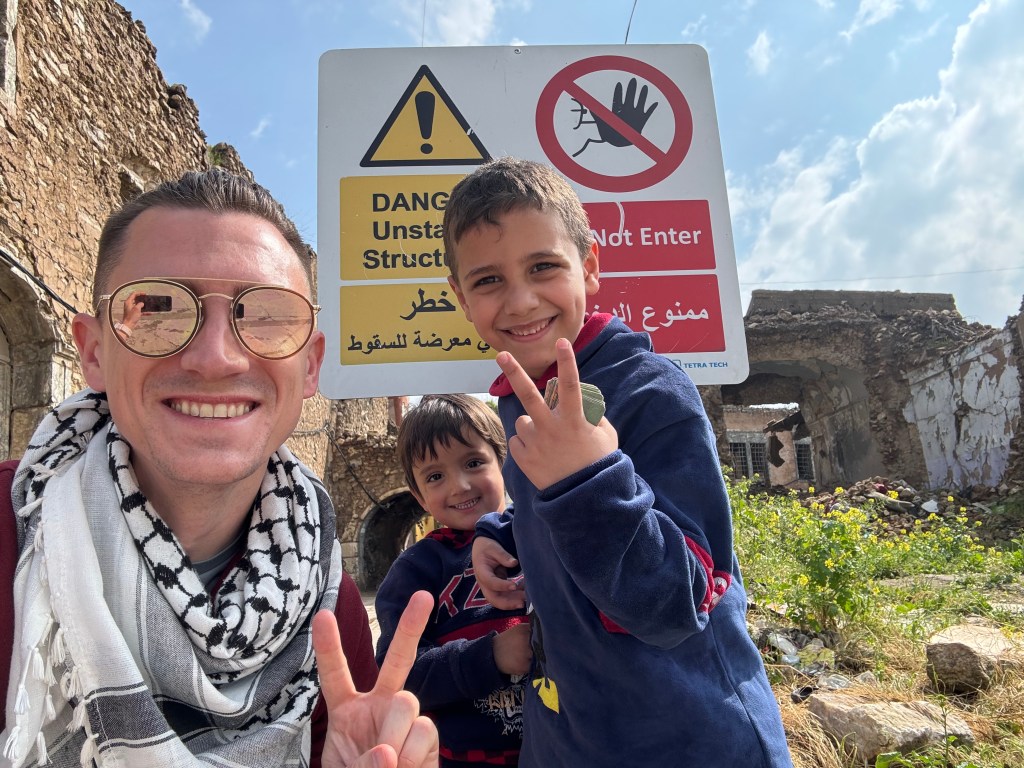
The day tour of Mosul was really interesting, visiting the Mosul Grand Mosque, the bazaars and the old side of Mosul which is still mostly destroyed. There are still people living in the destitution, many of whom we got talking to. Again, super friendly people and one young guy living amongst the ruins spoke perfect English so it was very interesting to hear his story and perspectives on the situation there.
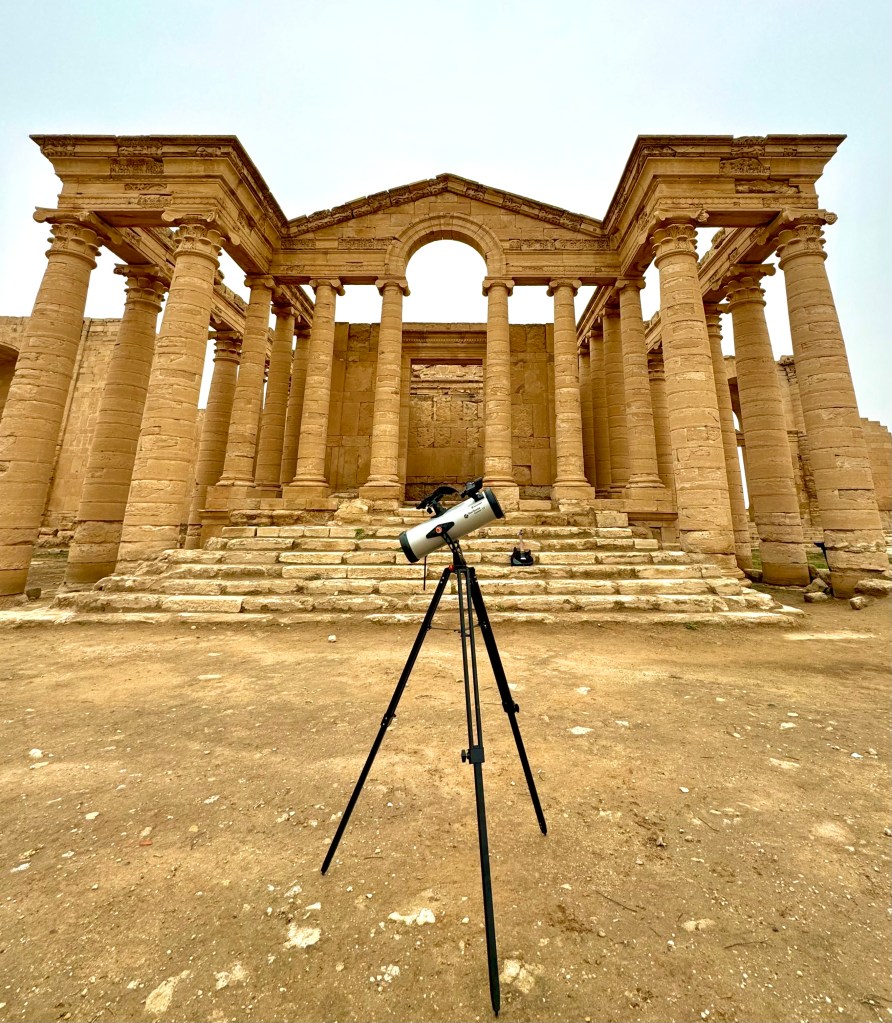
The next day we went to the ancient city of Hatra, and for this you need to get the tickets in Mosul, just follow Moomen. It’s not easy to find, in fact it’s an antiquities police complex which is located on the old ancient Nineveh site (pinned on the map below), very strange but they take protecting their ancient sites extremely seriously, which I guess is good!
Hatra is amazing and we got the whole city to ourselves. It’s about 2 hours south of Mosul with many checkpoints, but once in it was great. Moomen took me there but I don’t think he knows much about the history of the site, luckily we met a group of Iraqis there who were scouting out the site for their camping, astrophotography and concert event business! One of them spoke perfect English and he knew everything about the site (and a lot in general) so I got a good low down from him, and then took part in a photoshoot for their advertising 😁 (more of this on my instagram and YouTube).
Days 10 – 11 / Erbil
The next day I travelled to Erbil in the Kurdistan autonomous region of Iraq by shared taxi, which took about 2 hours and was about $20. With a foreigner in the car we got stopped many times but there’s no issue, the taxi driver was just getting frustrated 😅 I got dropped off at a random place kind of near to my hotel, flagged down a taxi and all was good. I stayed at the Grand Palace Hotel and I would totally recommend it – really comfortable and modern with great staff who even gave me a discount when they saw I was facing difficulty to pay without having damn USD in cash.
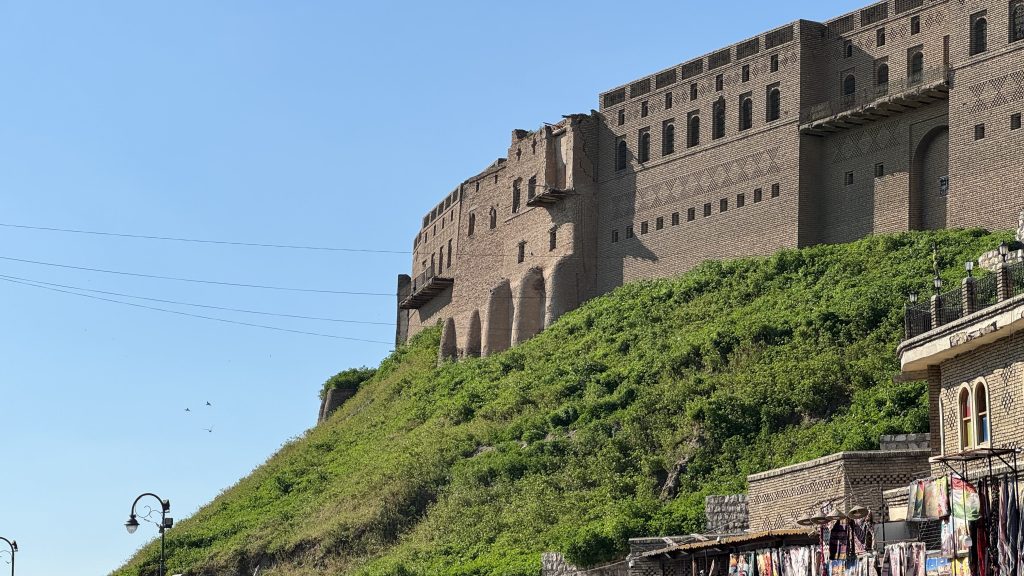
Erbil, known as the spider web city due to its road system, is like another world after being in federal Iraq. It’s super modern, very clean and there are huge expensive apartment complexes everywhere with a nice mix of local and international restaurants, and rents starting at $2000 a month not being uncommon. Everything is in Arabic and Kurdish, it’s more expensive than the rest of Iraq, English is much more widespread and there’s way more expats. In fact, a lot of the embassies and international organisations are now based out of Erbil rather than Baghdad. It’s a car city though, so you can’t really walk anywhere except the very centre in the old town around the citadel.
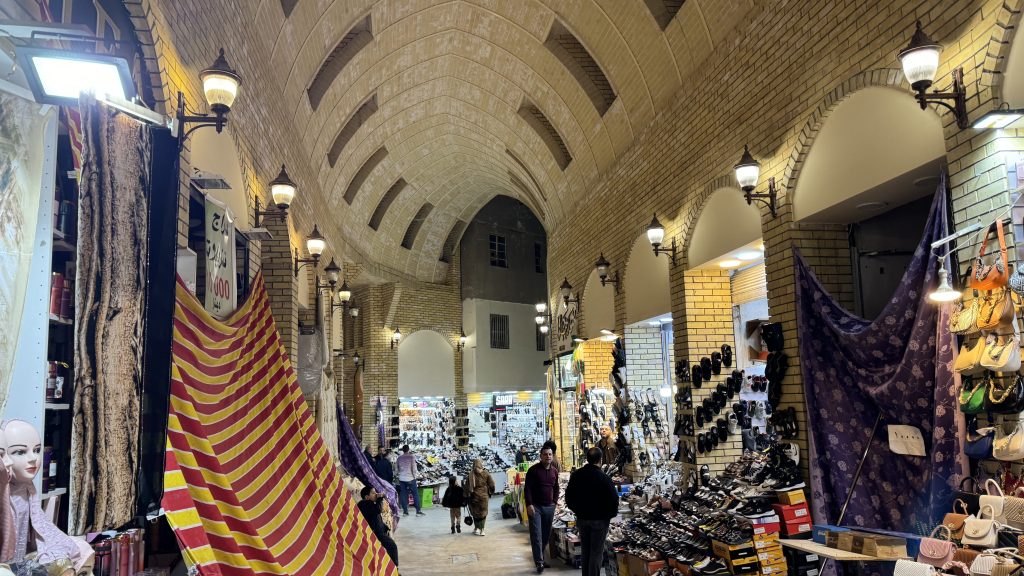
I’d recommend walking around the old central bazaars which are nicely renovated, then take some trips north into the mountains. Unfortunately I didn’t have time to do multi-day tours, which are really needed to see the Kurdish countryside and mountains, and by this point I didn’t have the energy to take shared taxis north and try to return in the same day. I was also done with spending so much on private tours, as they were still $200 for a day trip from Erbil, so I told them to forget it. I told myself I’d return to Kurdistan at some point later, especially as I have a couple of friends there, so I booked a slightly earlier flight to get to Lebanon and chill for a few days before my Syria tour – blogs coming soon!
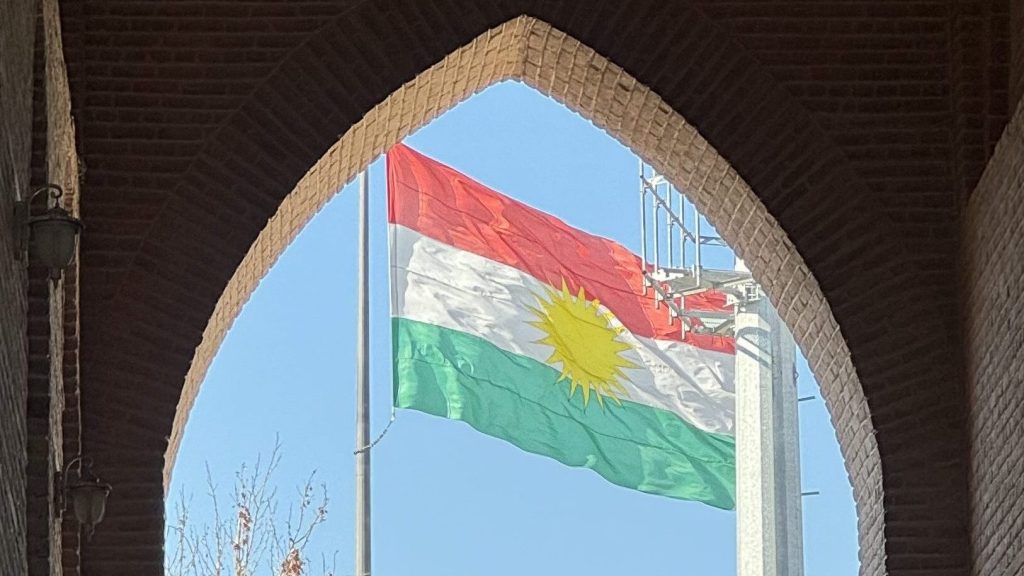
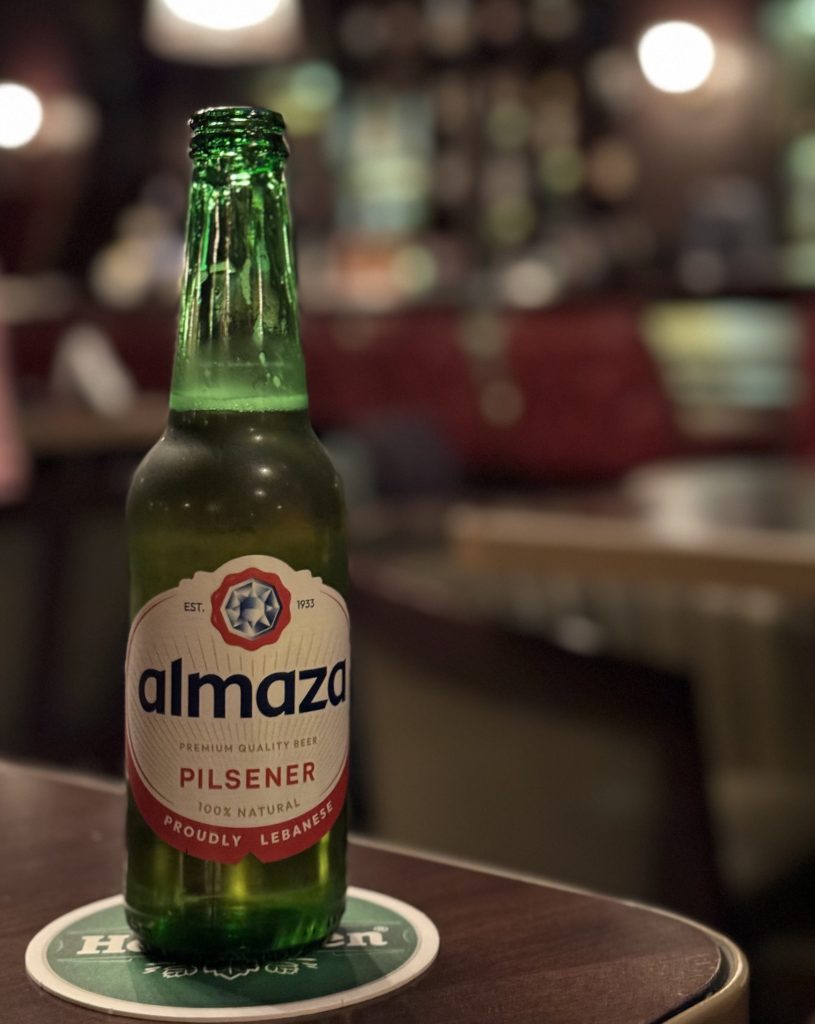
Final Thoughts
I’d totally recommend Iraq – the people are incredible and the history is so rich. I did not feel unsafe for any reason on my travels, I’m not going to lie though, I was anxious when walking alone or at checkpoints sometimes (purely because of the recent history, not because of any justified reason on the ground). If you stick to the main cities along the rough ‘tourist’ route that I decided to take, you shouldn’t face any issues, and especially nothing regarding petty crime. The locals will make you feel the safest you have ever felt.
Iraq is either expensive and/or time consuming to travel though due to the lack of public transport and the tour companies and guides charging extortionate prices. The hotels also do the same so it’s difficult to find many mid-range options, they’re either awful or extremely over priced. In the end it’s worth it for most people interested in this part of the world. What you spend on tours and hotels you save on very delicious food, and the hospitality is priceless!


 Matt Vincelli
Leave a reply to VISITING THE SEVEN WONDERS OF THE ANCIENT WORLD – Matt Vincelli Cancel reply