A YOUNG PIONEER TOUR OF LIBYA
Visited / June 2024
TL;DR
- YPT use Sherwes and they were great (I heard negative things about dealing with them directly though)
- The tourist e-visa was straight forward and done in 2-3 days
- Bring US$ to exchange, cards don’t work
- 4-5 days is a good amount of time for highlights
- I felt safe the whole time
- Afriqiyah Airways were great and cheap from Tunisia
- The main Tripoli Airport is now Mitiga (sometimes called Tripoli still)
- Get as much coffee as you can, it’s amazing
Unmissable Stuff
- Tripoli old town (no tour will miss this anyway)
- Sabratha (I preferred this to Leptis Magna)
- Leptis Magna
- Gasr Al-Hajj Granary
- Views from Tarmisah
£2,000
Total Spending
Obviously this is noticeably high for 4 days in a cheap country, but tours are pricey here as they come with a guide, at least 1 driver and a “tourist police” escort for the whole journey
4 Days
Time in Country
Most Libyan tours I saw are 4-5 days which is enough to see Tripoli and the surrounding historical sites, but you’ll need a few more days if you want to get to the east and south of this vast country.
Cash (US$)
Take my Money!
As ATMs are so unreliable, we were advised to bring US dollars to exchange in the markets of Tripoli which worked well, we even got to choose which banknotes demonisations we wanted
Tripoli Old Town
Favourate Part
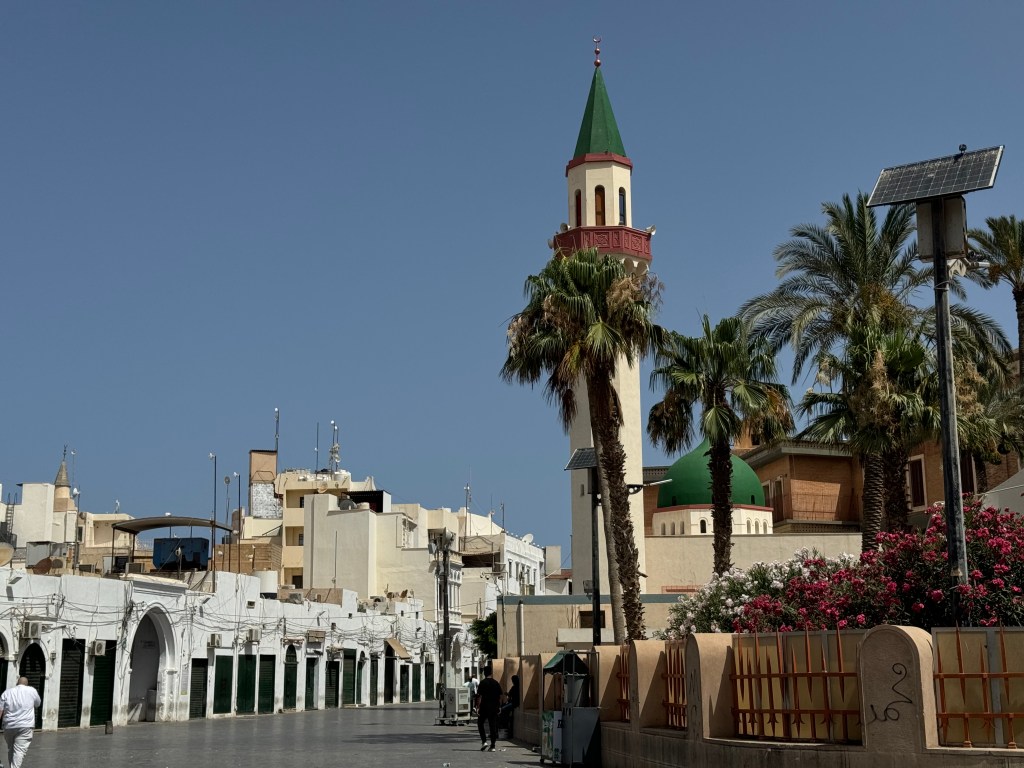
Central Tripoli really surprised me, and I couldn’t get enough of the impressive yet crumbling Italian 30s architecture towering over the best cafes I went to on my trip
I booked a private 4 day / 4 night tour with YPT on dates of my choice, and advertised the tour to see if anyone else wanted to join. A fellow EPSer Raoul joined the tour which was great! YPT assisted rapidly and clearly with all the visa requirements and other information. Any foreign agency will be using a local Libyan tour agency, and YPT use Sherwes travel for their tours, which was a smooth and amazing experience! I did not deal with Sherwes (Ibrahim, the owner) directly, we were just met and taken around by the guide Ramzi who was incredibly friendly and informative. I have heard mixed reviews regarding Sherwes on EPS, however, I believe this is mostly when dealing directly with them, I think due to the high amount of enquiries they receive and the sometimes not-so-hospitable response from the owner. Our experience was excellent though and we got to make use of the new Libyan e-Visa, which took 2-3 days to come through for both of us (UK and US passports).
For flights I got a return from Tunis with Afriqiyah Airways which were the cheaper option on Skyscanner (around €150 return compared to €400 for Libyan Wings) and they were good with a meal and friendly staff even for a 1 hour flight.
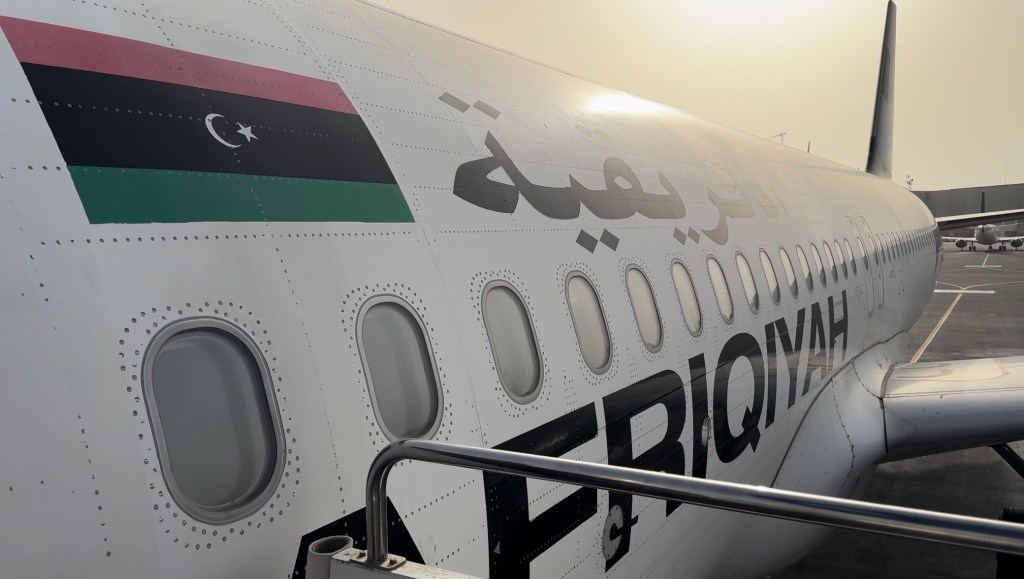
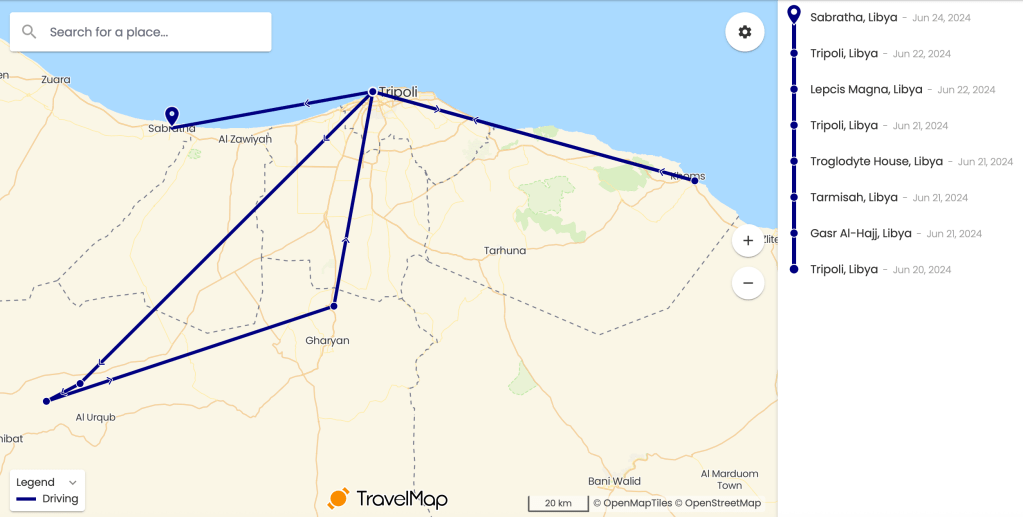
Day 1 / Evening arrival into Tripoli
We flew in with an evening Afriqiyah Airways flight from Tunis, and it was totally fine with food served and friendly staff and big green seats on an Airbus A320. They asked for our return flights and e-Visas at the check-in, followed by a call to Mitiga (Tripoli) airport to confirm our arrival, something that I’ve never seen before. Everything went smooth and fairly quickly and before we knew it we were boarding to Libya!
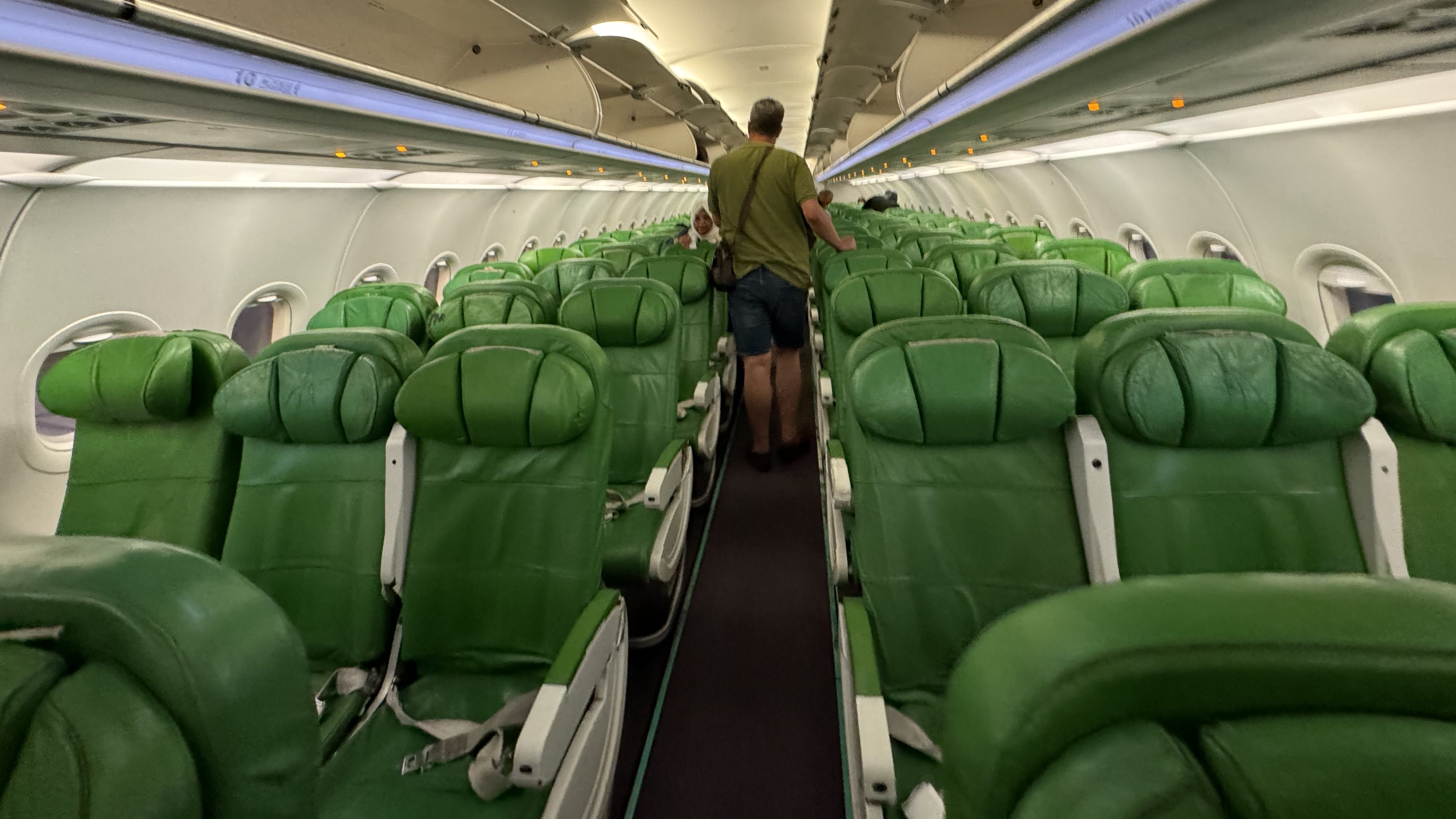

Upon arrival in Mitiga airport we went through the Non-Libyans queue which had a few Tunisians in it and then us. The Tunisians went through quickly but we got told to stand aside at the next booth after handing over our passports and e-Visas. After not too long, our guide Ramzi arrived and suddenly everything was ok and we got a little stamp and we went through to get our bags. We noticed we were joined by a plain-clothed tourist police officer who was basically our chaperone for the whole trip. This tourist police was extremely kind and always smiling, joining us for tea each evening in the hotel, and showing us to his family on video calls when venturing out at the sites.
Getting through the airport took probably 15-20 minutes total which was way better than expected! We were then driven to the Haroon Hotel in central Tripoli, which was really nice! The hotel manager was on reception a few times and he spoke English, so he told us some great stories from the past and was thankful that we were visiting Tripoli.
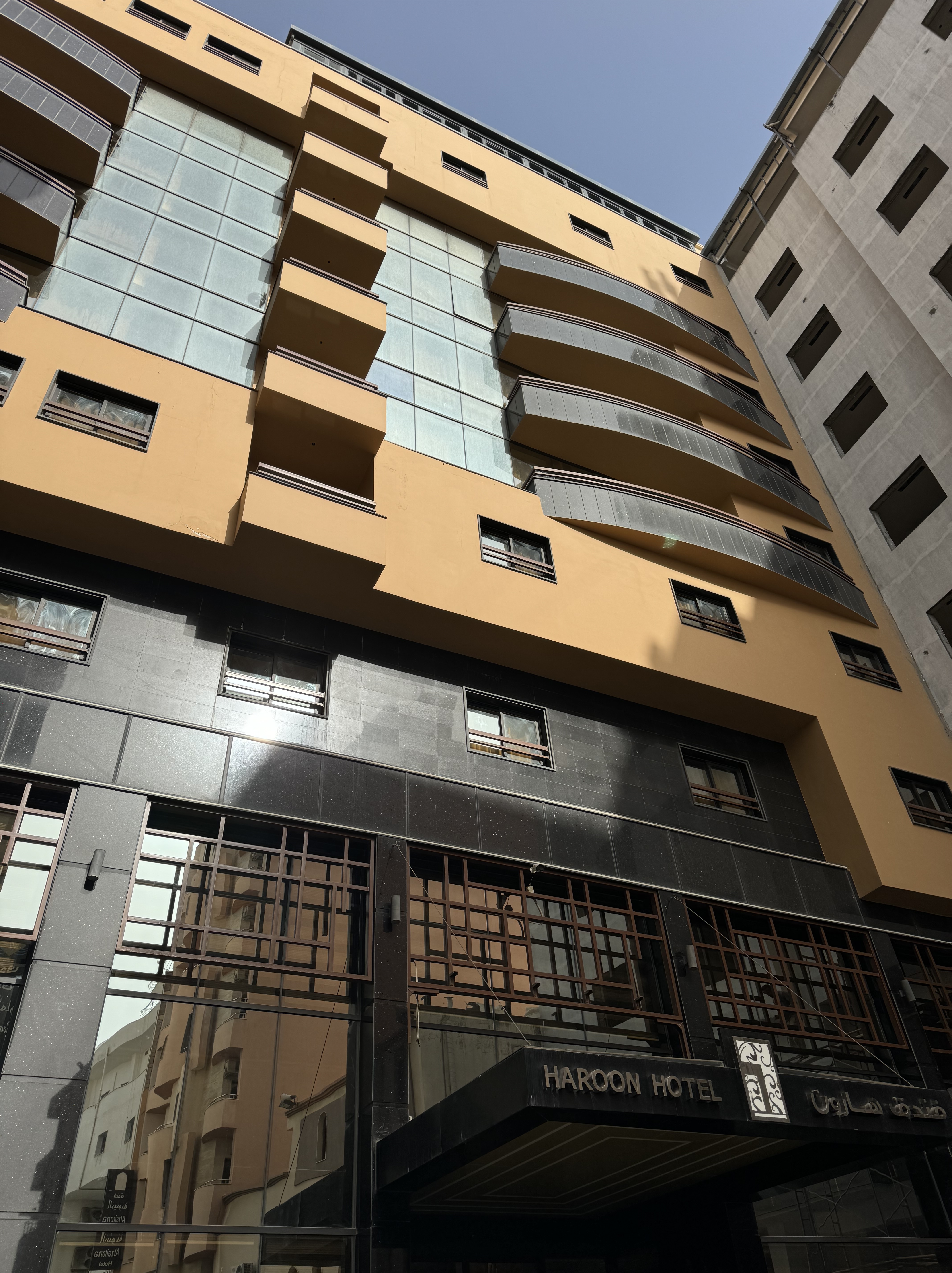
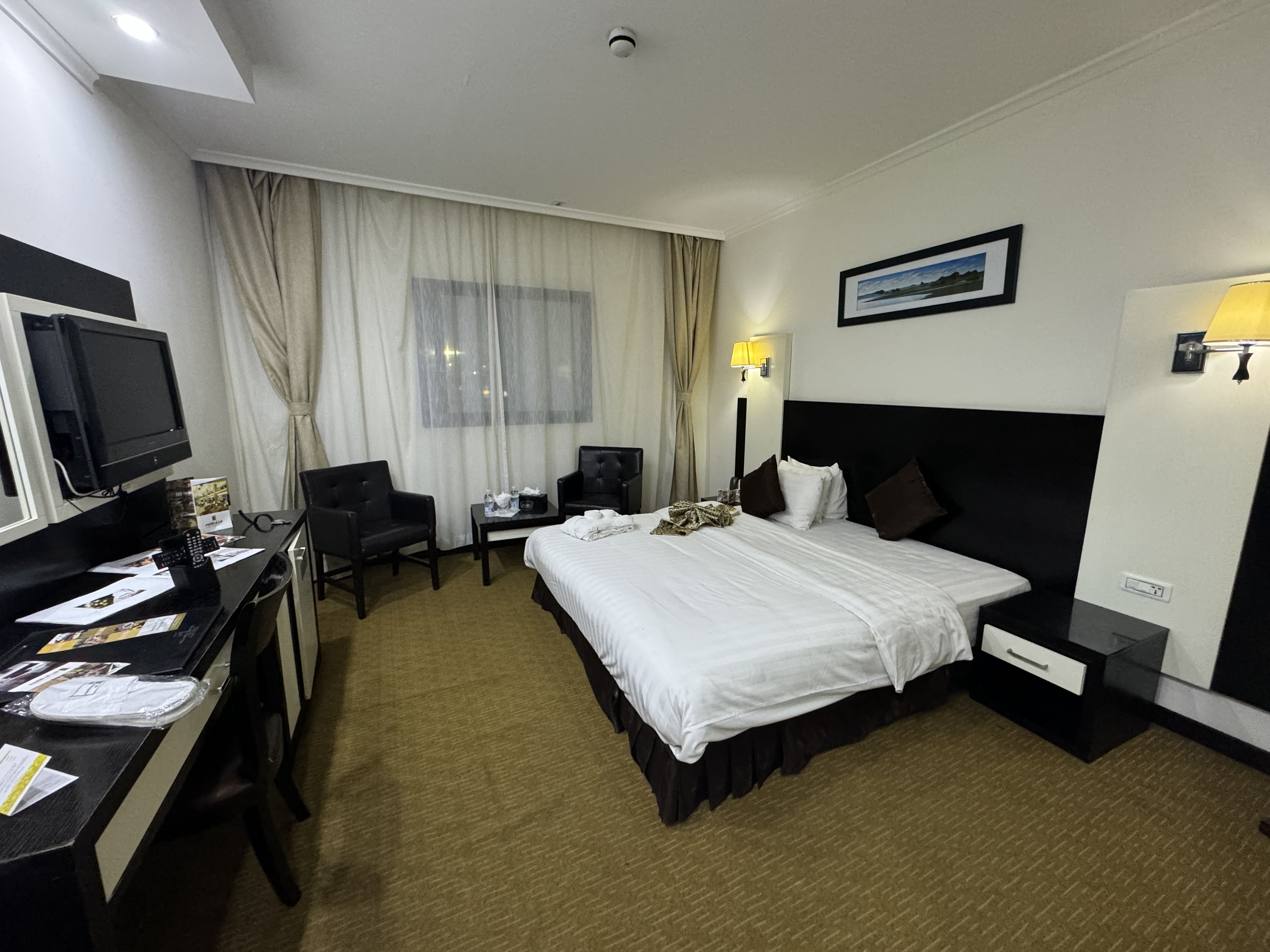
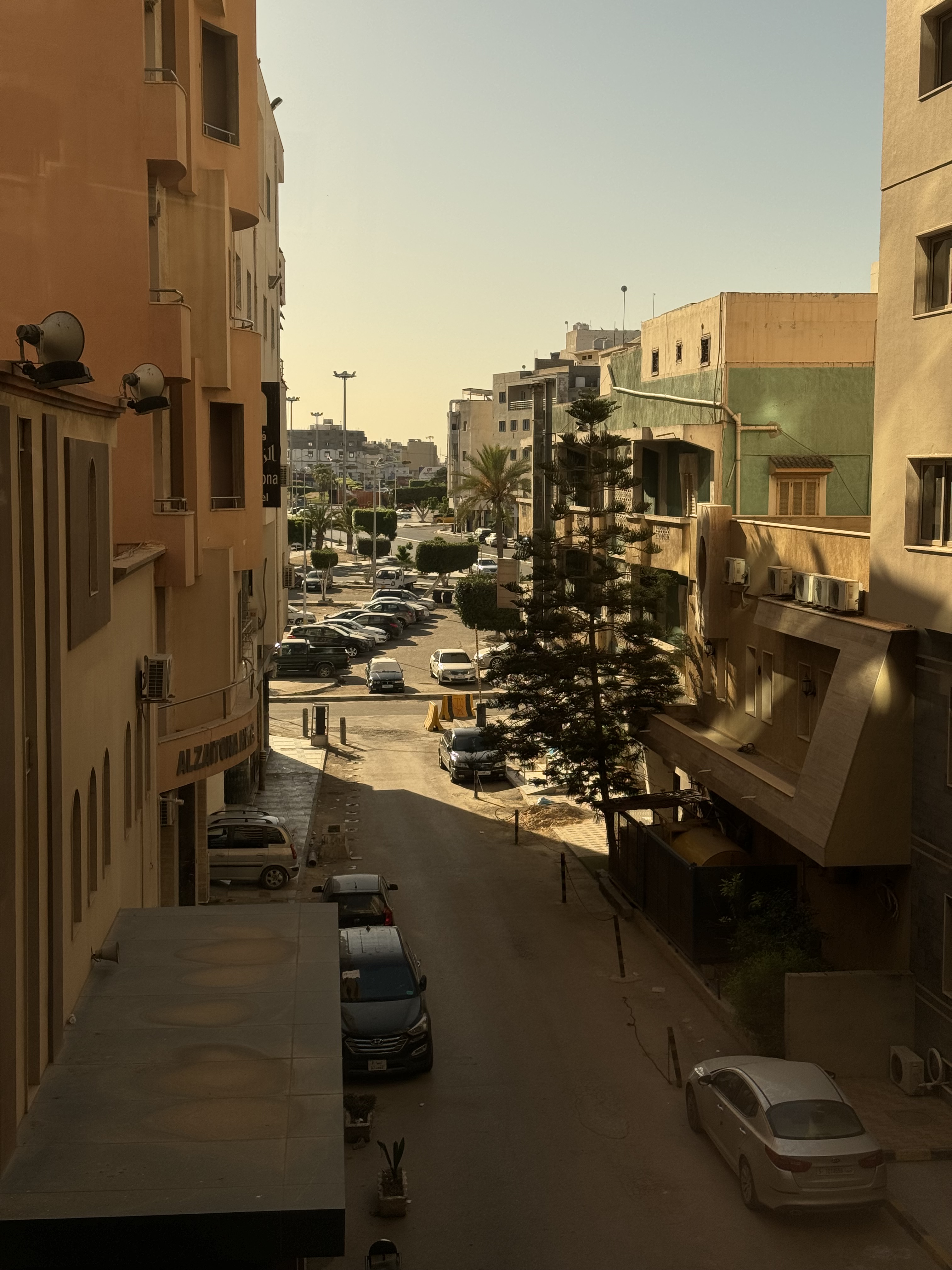
The Haroon Hotel, Tripoli – where we stayed for our whole trip
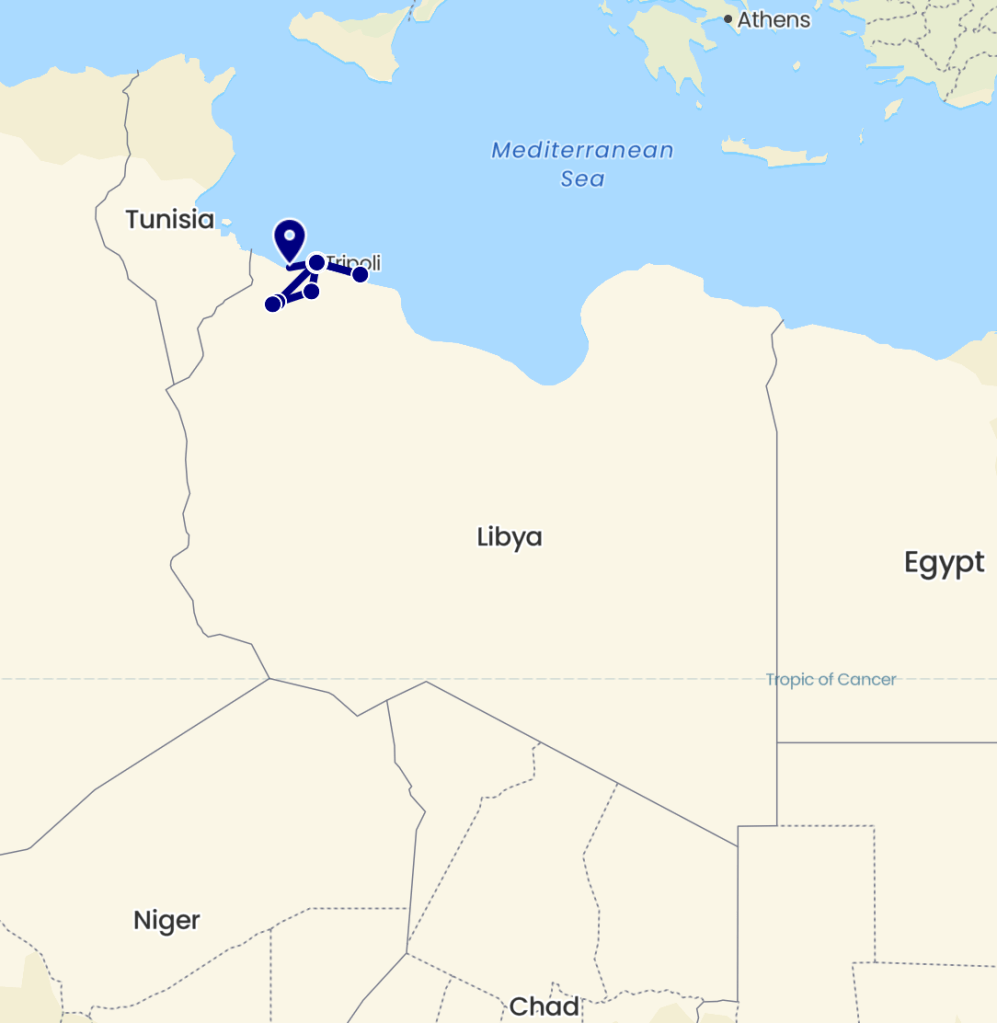
Day 2 / Gasr Al-Hajj, Tarmisah, Abu Ghaylan Troglodyte House
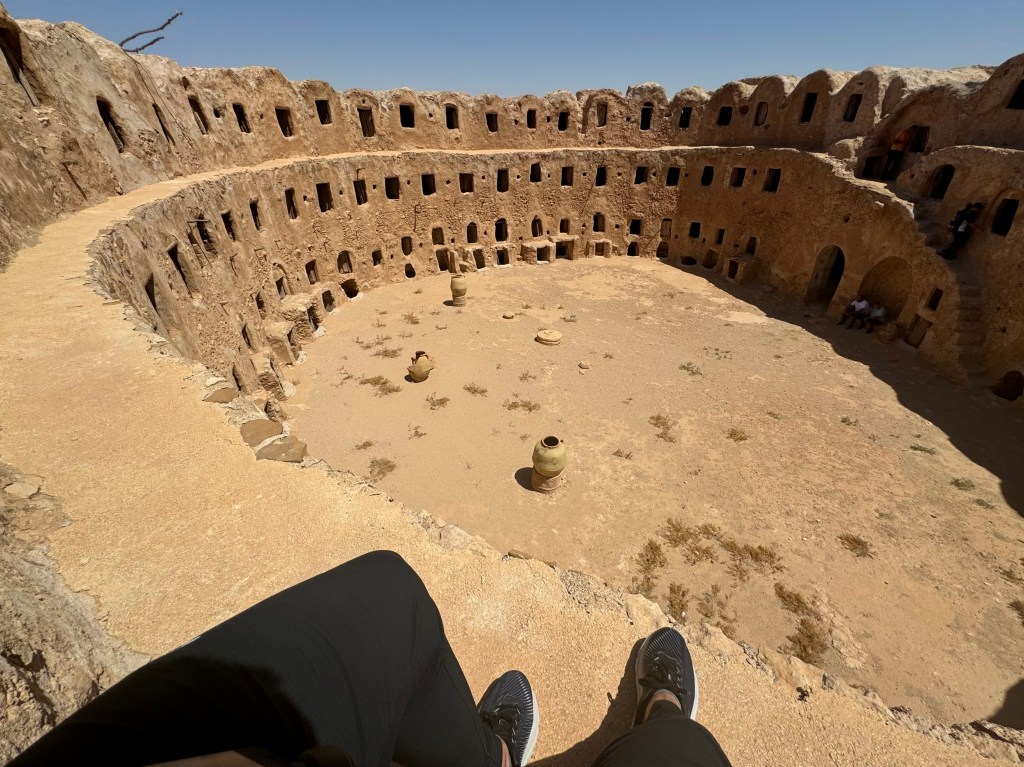
After a pretty nice breakfast in the hotel we were taken straight to the old fortified granary/storage facility of Gasr Al-Hajj somewhere in the desert, where we got to walk on the walls and see in the old storage rooms, very photogenic. There used to be plenty more wooden beams sticking out which is how they got into the 3rd level arches I believe. This thing is also about 800 years old and yet it remains remarkably intact.
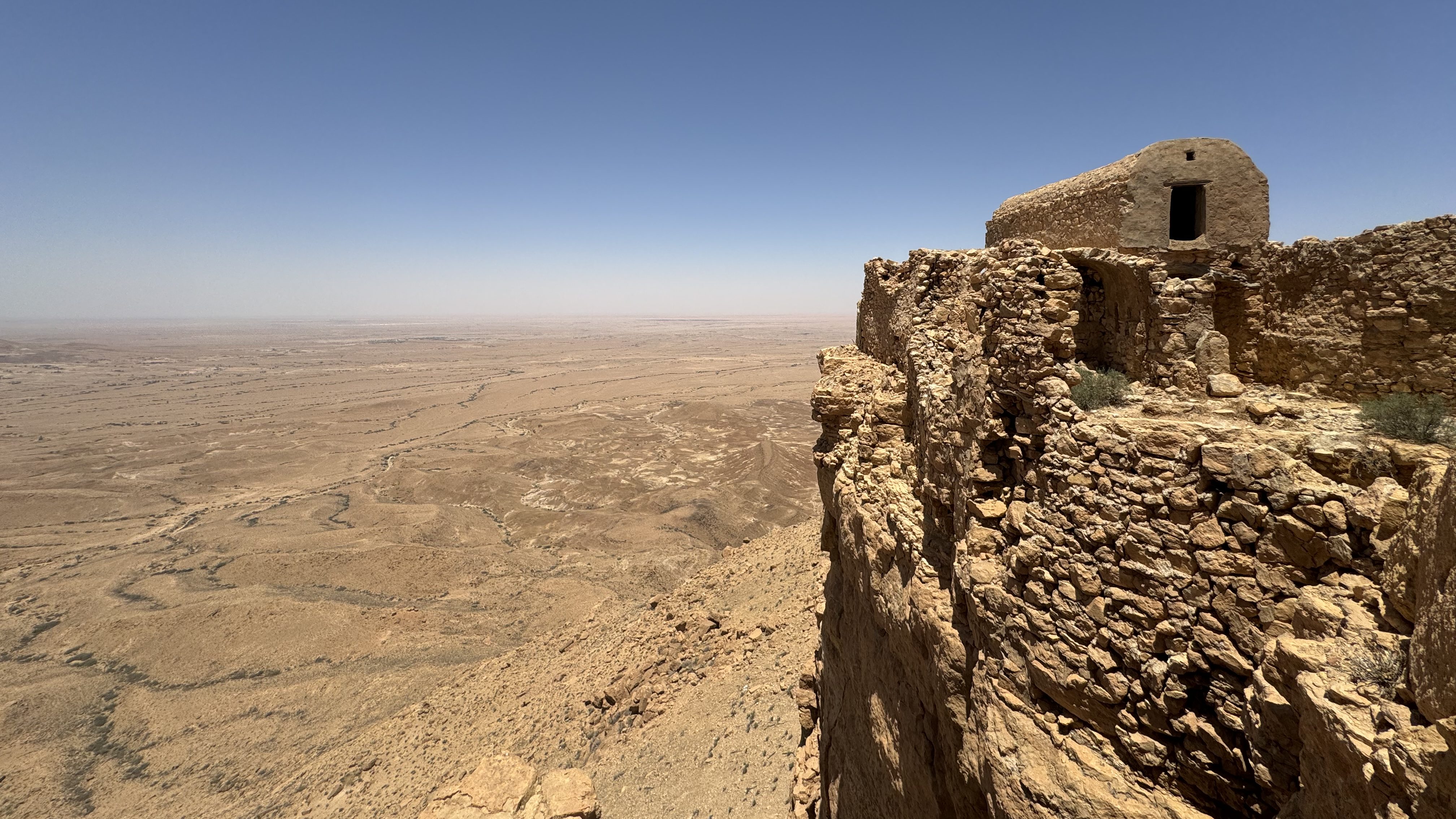
We then went to the abandoned local village of Tarmisah (known as Etermessn in the local language), which was nestled on the edge of a cliff. With extensive views of the cliff edge and endless plains this 800m high village was a nice little place to explore and take leg-dangling pictures.
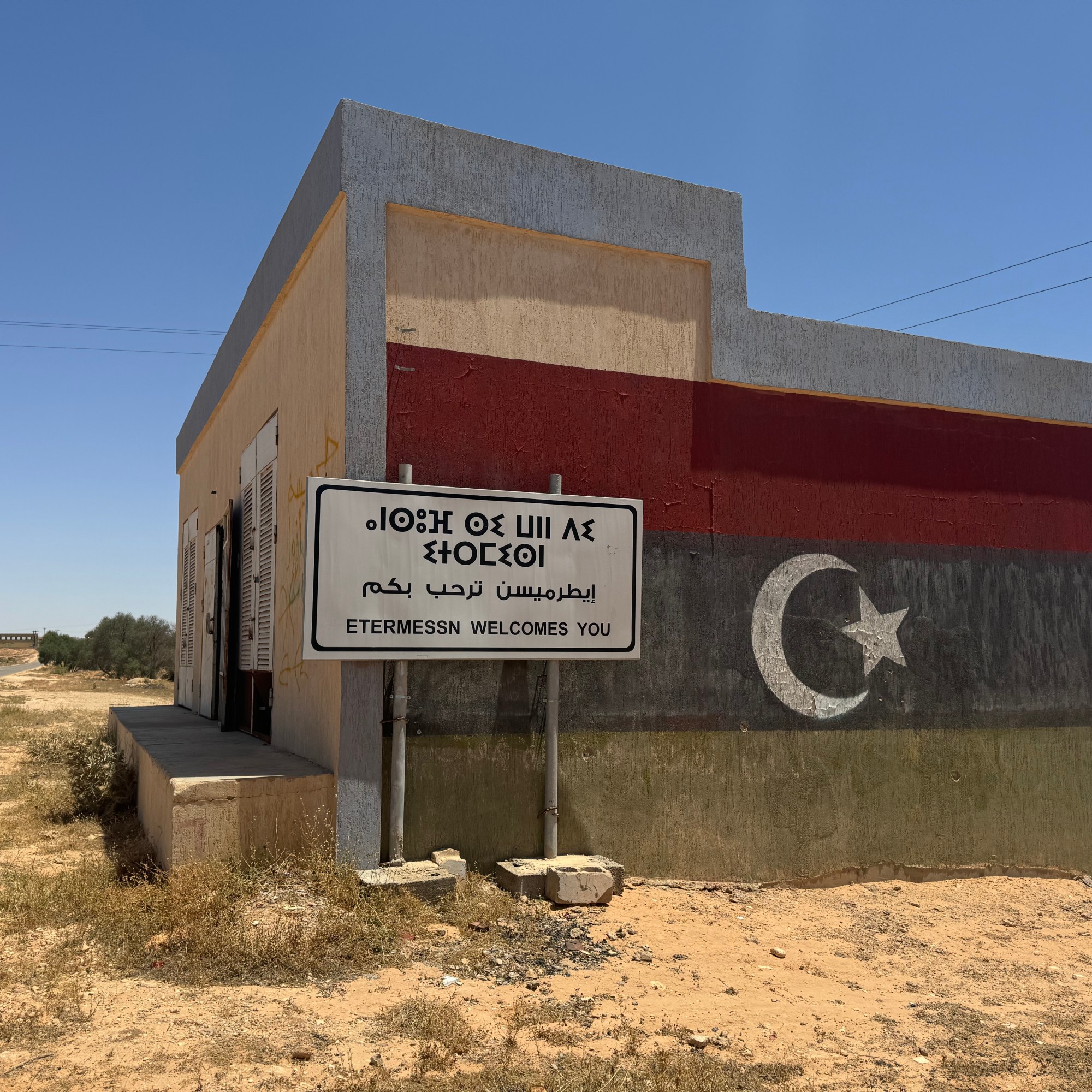
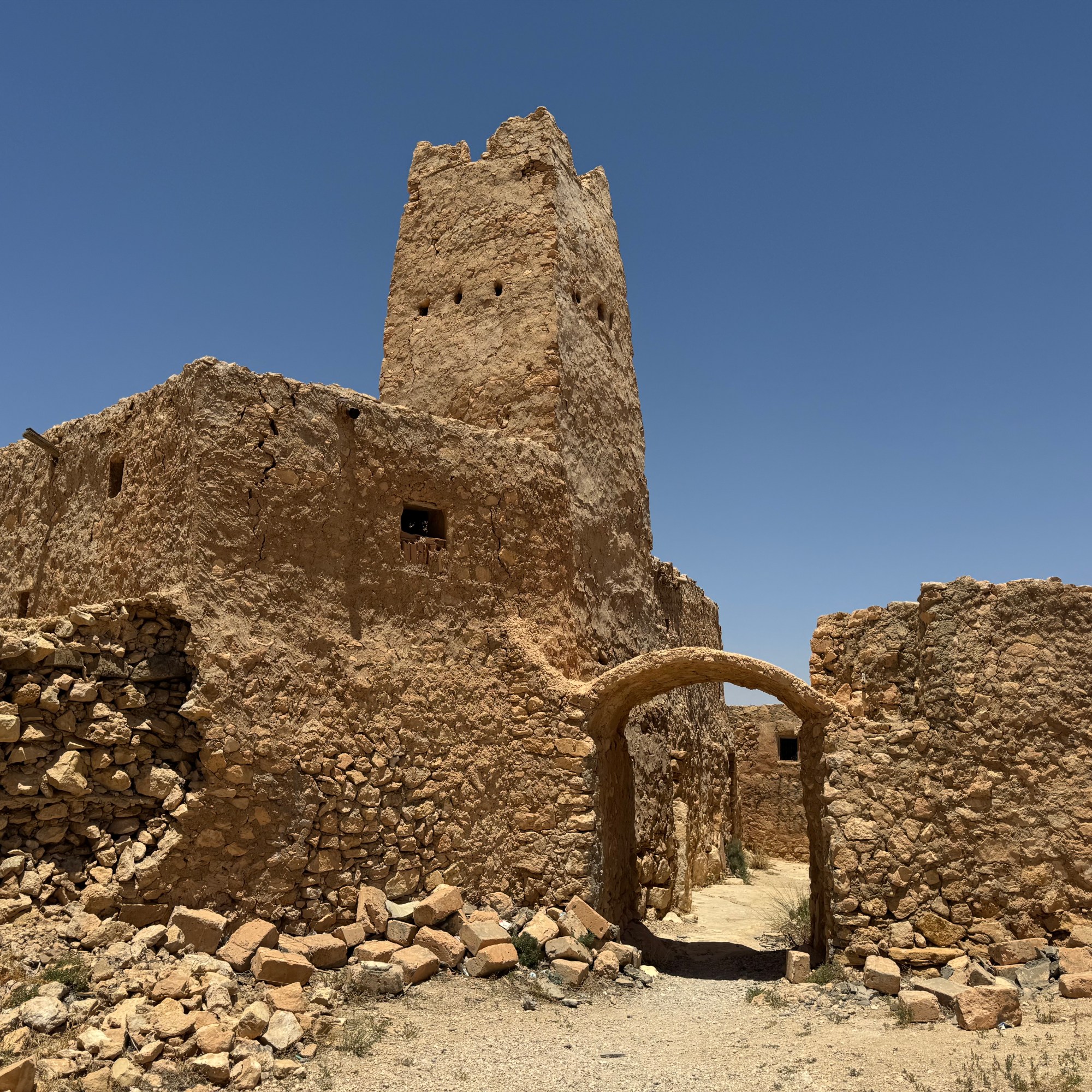
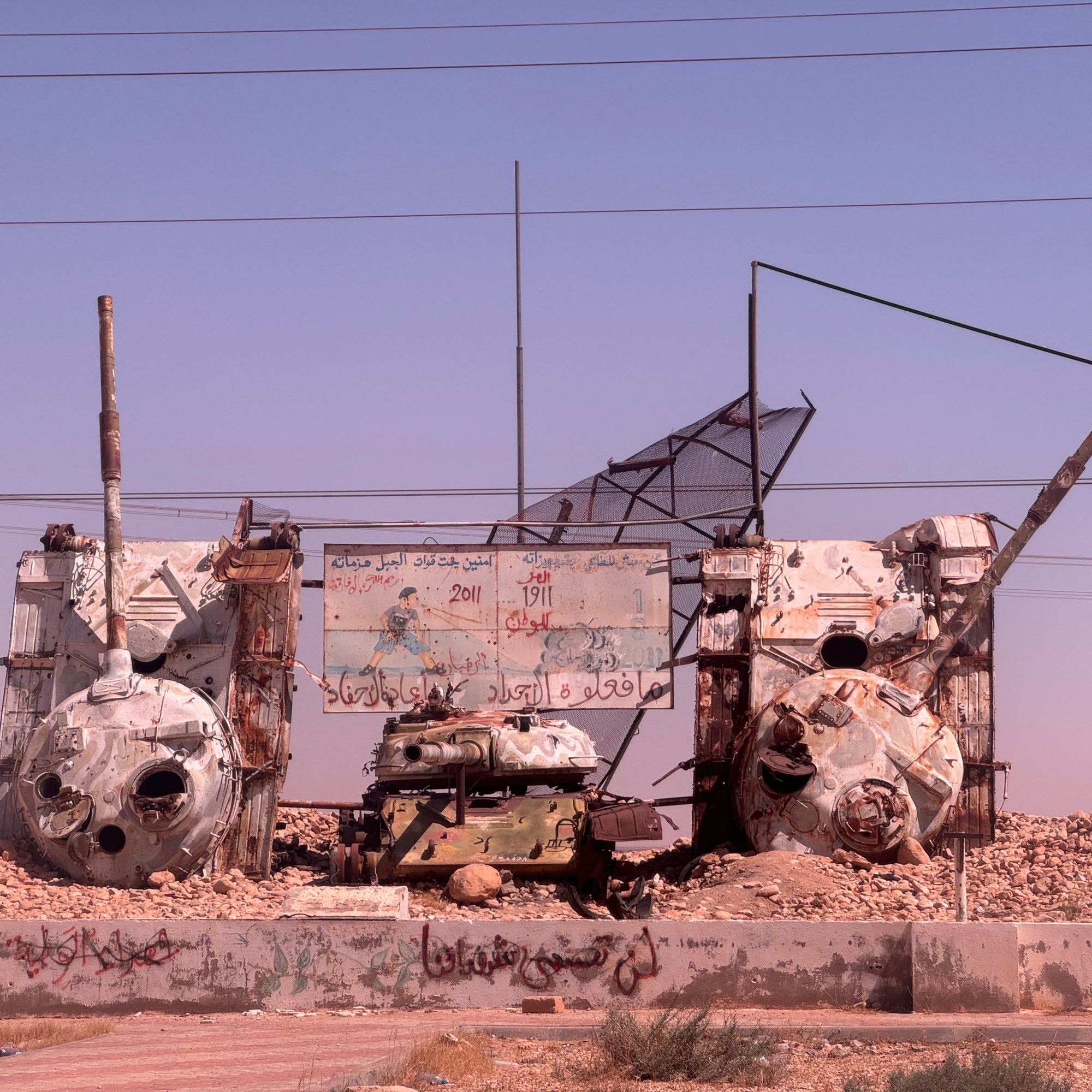
Local language welcome sign (left), Etermessn (centre), Civil War Tanks (right)
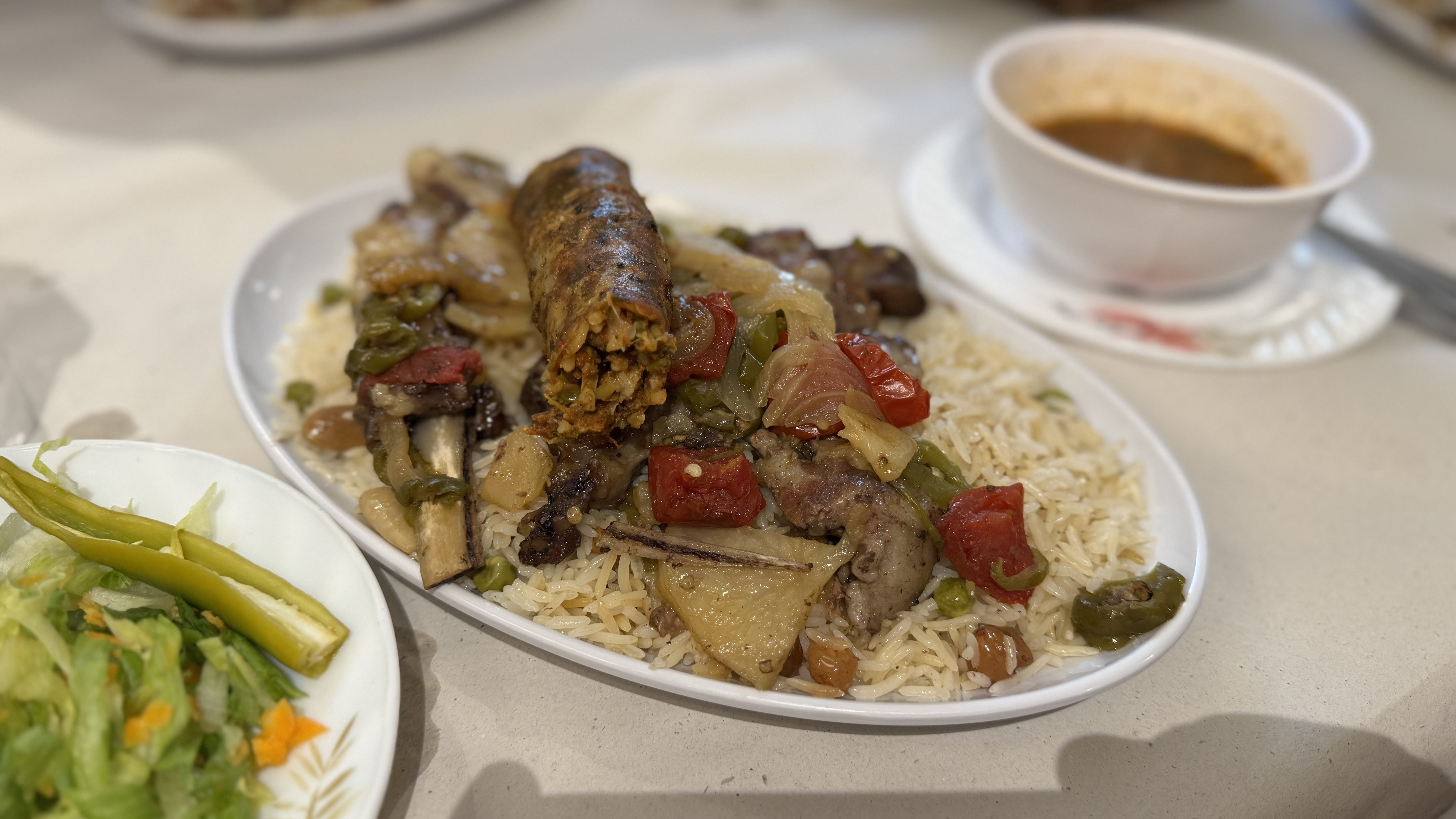
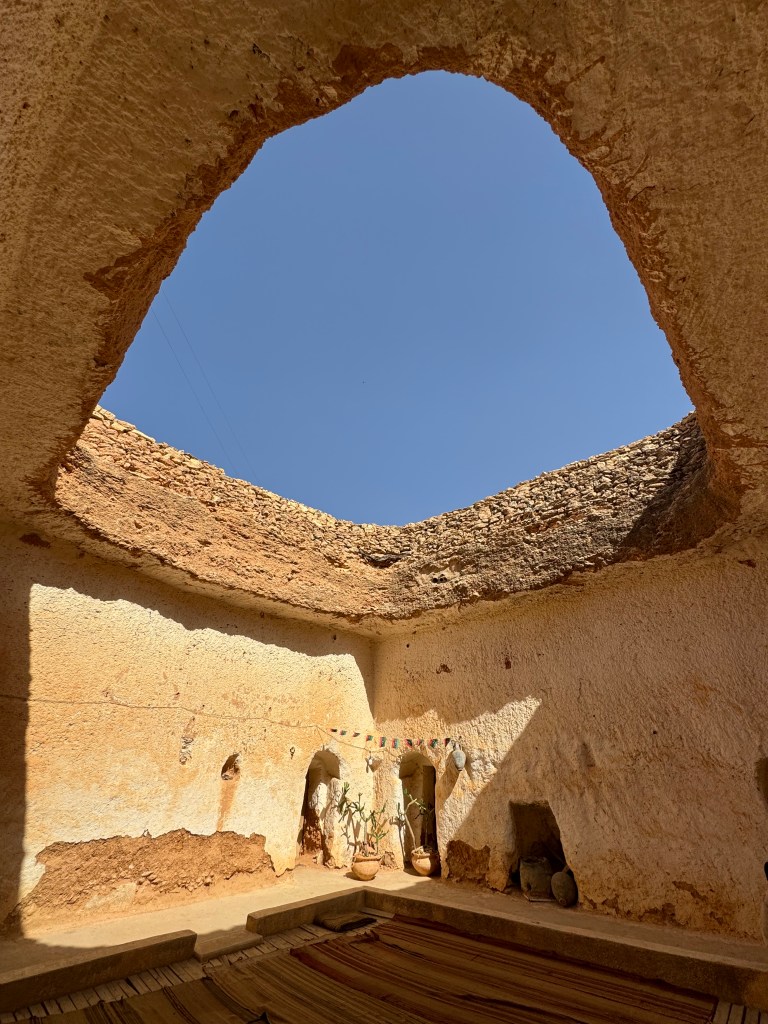
On the way to the next stop we grabbed a big lunch in a roadside restaurant which was a huge portion of chicken and veg cooked in a terracotta pot with some Libyan sausage thrown in! We then continued to the underground Troglodyte home in Abu Ghaylan which is a traditional community of houses and kitchen and storage rooms where multiple families used to live.
This one is the only one kept in such good condition out of the thousands in Libya! They’re also expanding by building a restaurant next door and you can even stay the night in one of the homes! The president also visited and had lunch here in 2021 so that shows how culturally significant this place is. We got back to the hotel and chilled for the evening with dinner and delicious Libyan tea.

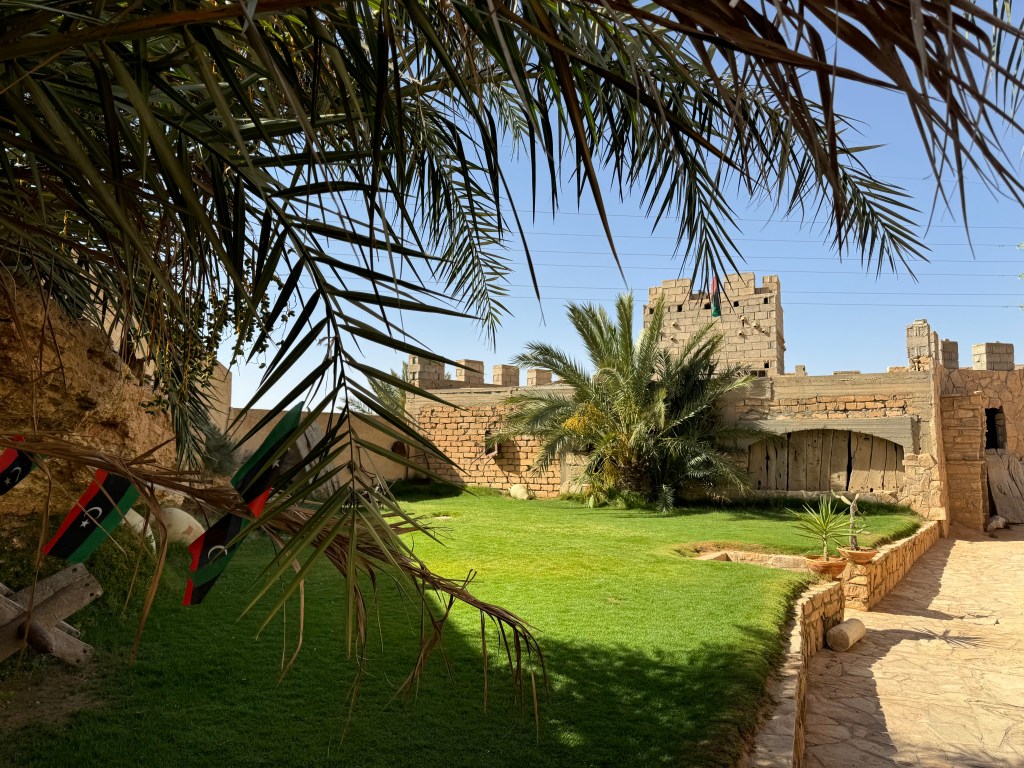
Day 3 / Leptis Magna
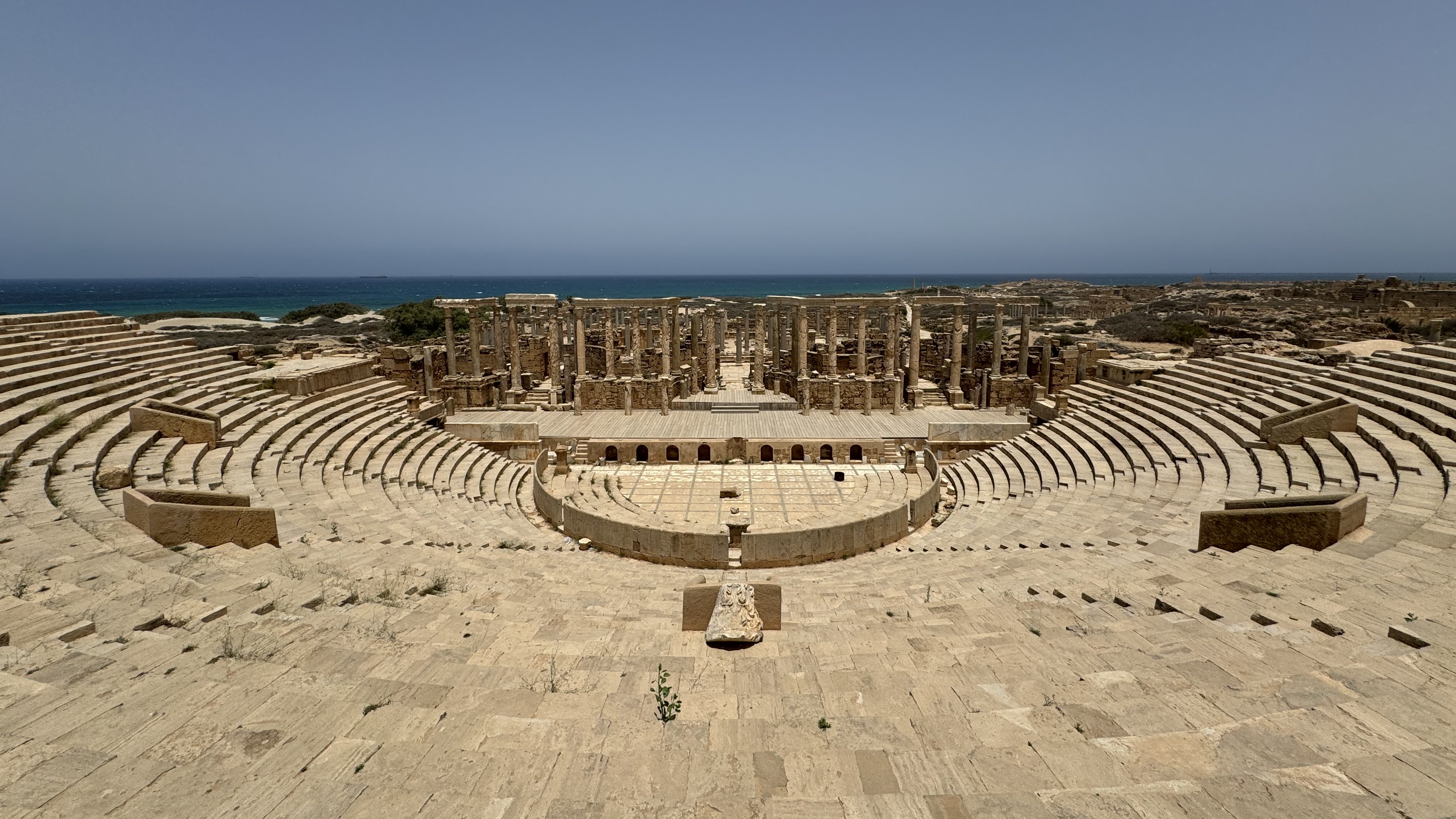
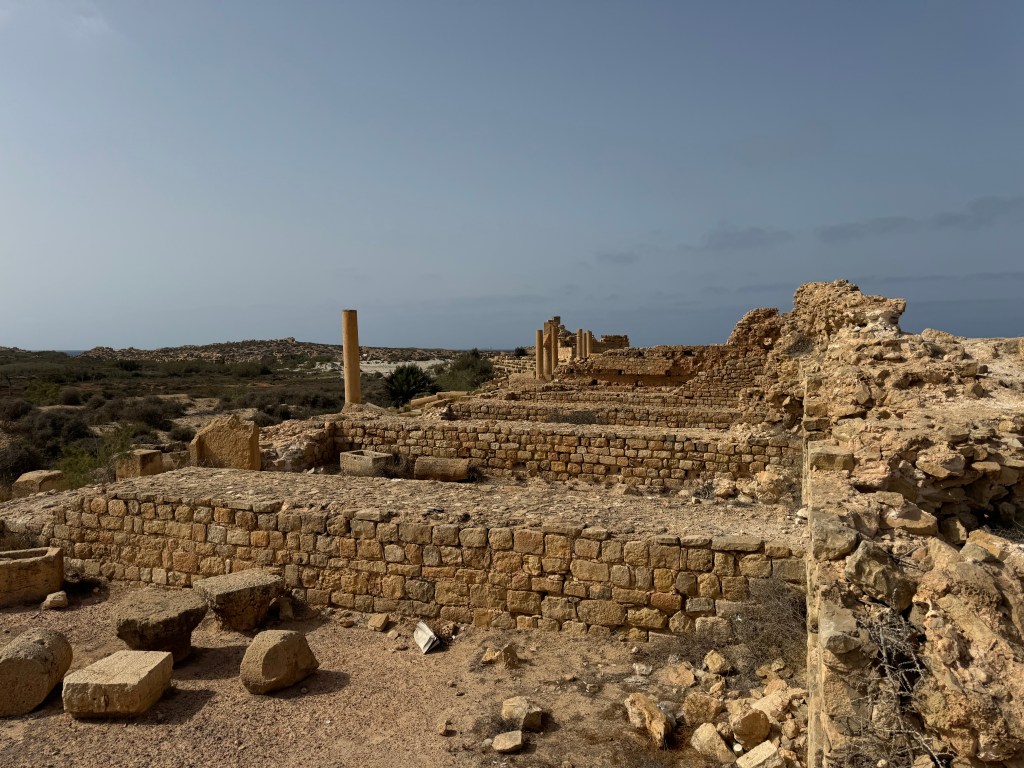
I was waiting for this day for a long time and it did not disappoint, the UNESCO Punic/Roman site of Leptis Magna is magnificent, and we had a local guide take us around the place too. It is a large complex so we did a nice bit of walking and learning. While some things may need restoring, especially after the floods they had in the 80s which destroyed a few restorations, there is so much which is preserved well here.
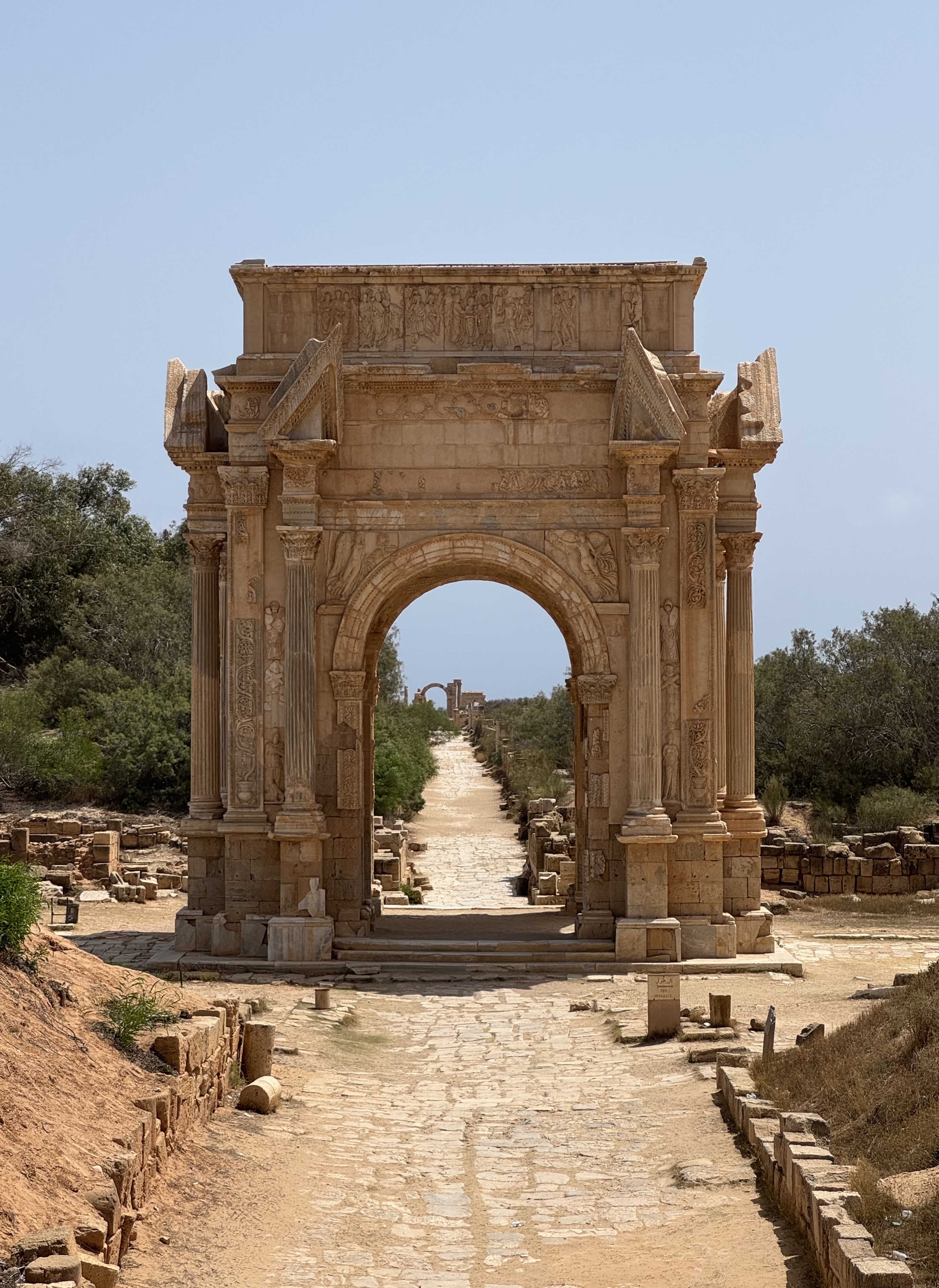
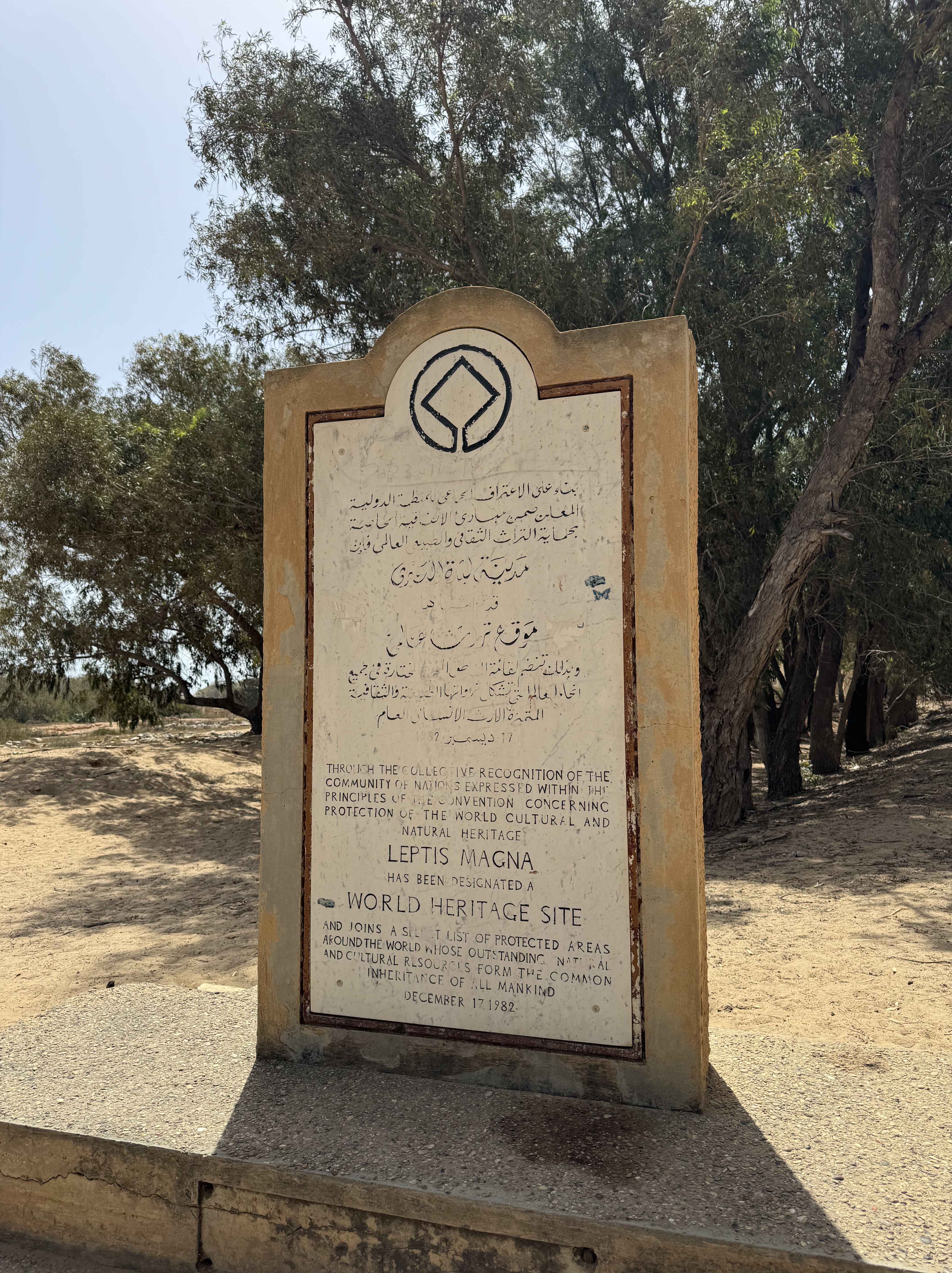
Leptis Magna, World Heritage Site
The ancient market, theatre and amphitheatre are all very well intact with stunning views of the sea. With practically no one else sharing the site with us we got unobstructed views of these buildings, and more importantly unobstructed pictures!
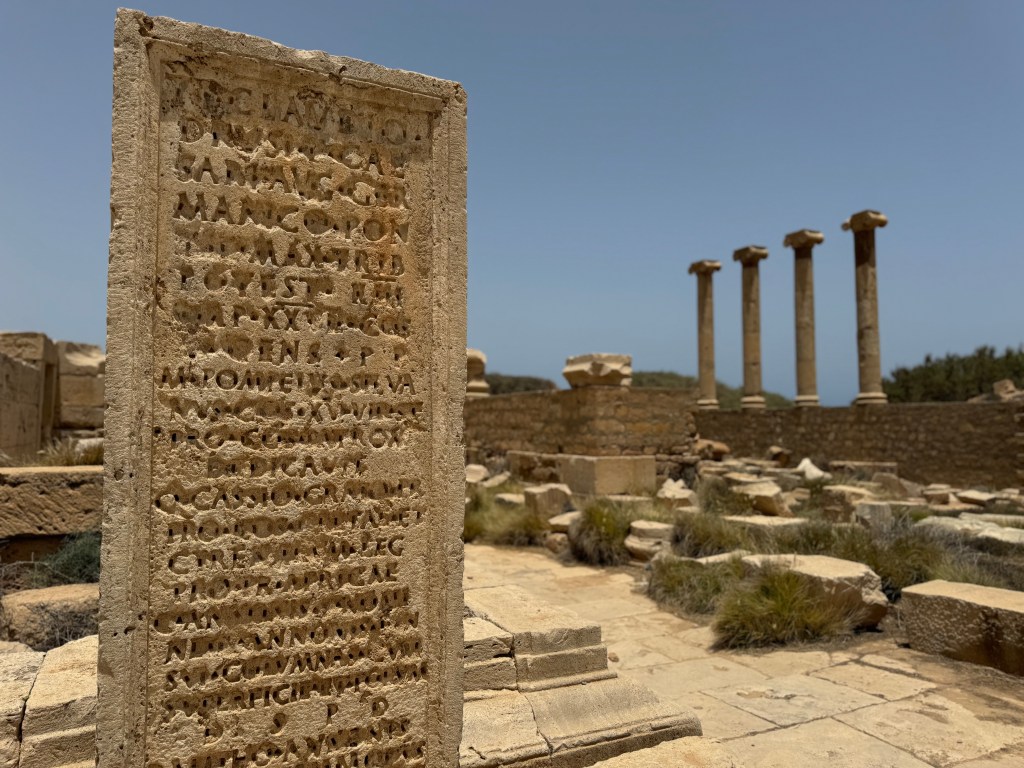
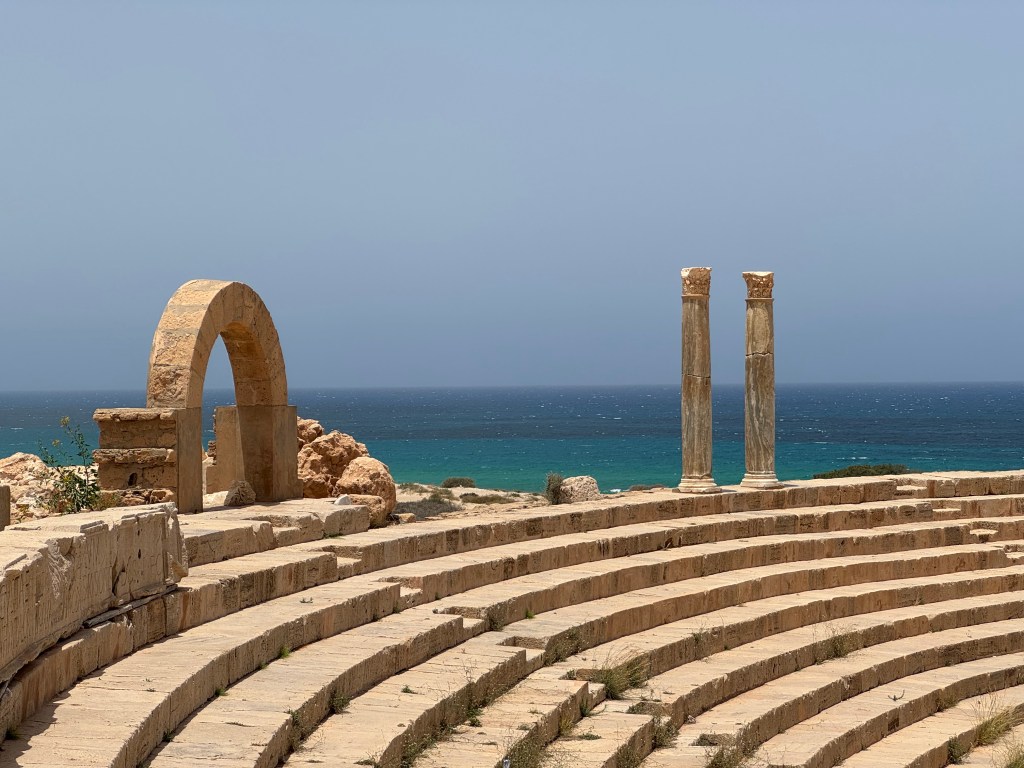
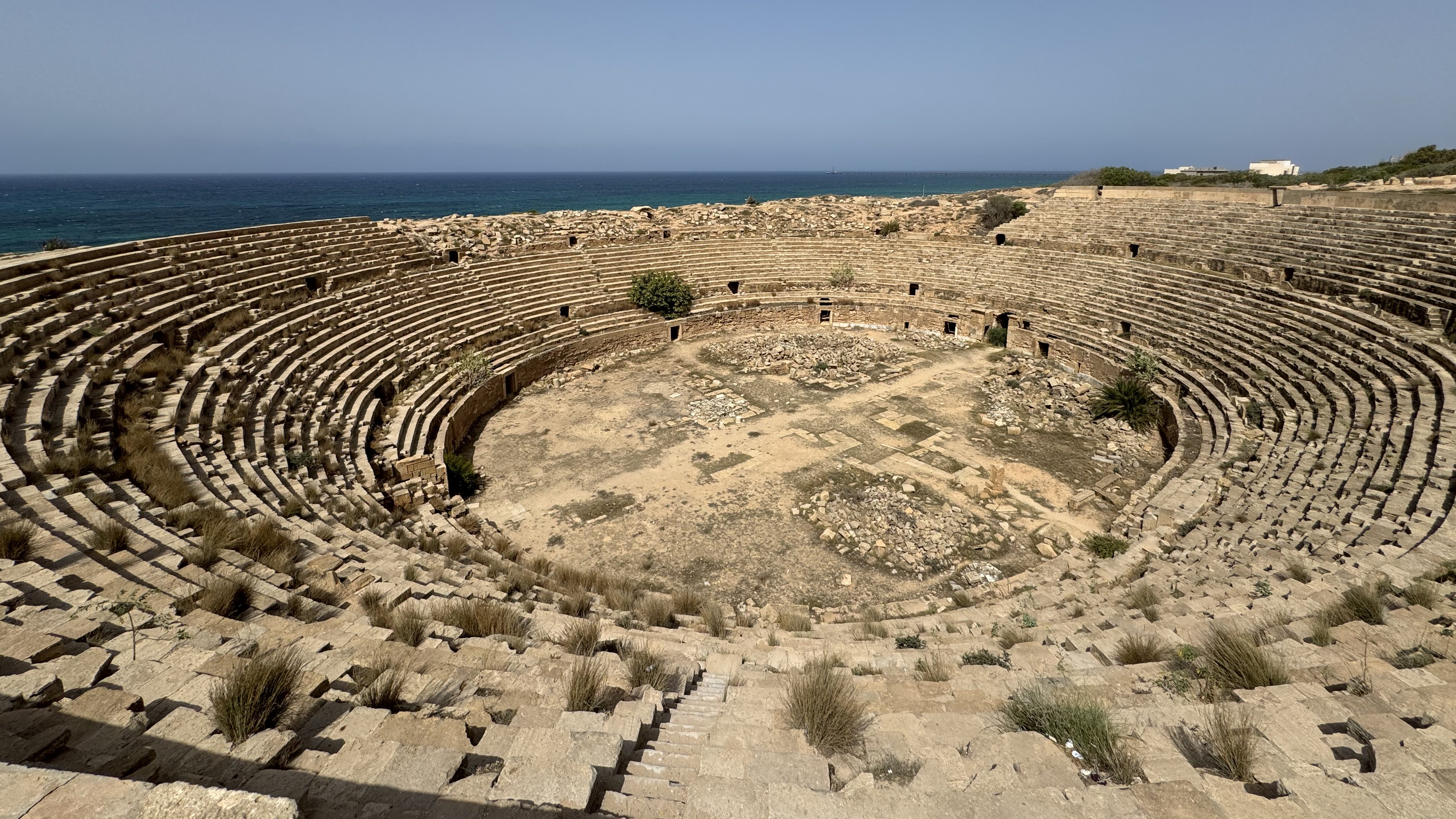
There is only one thing better than an amphitheatre when it comes to ancient Roman sites, and that is a hippodrome! Leptis Magna has a visible hippodrome now butted right up to the sea itself, which is a rare site anywhere in the world. The one here has yet to be fully excavated, but you can see the shape of the stands clearly forming its elongated oval shape, with the northern stands now right up to the beach.
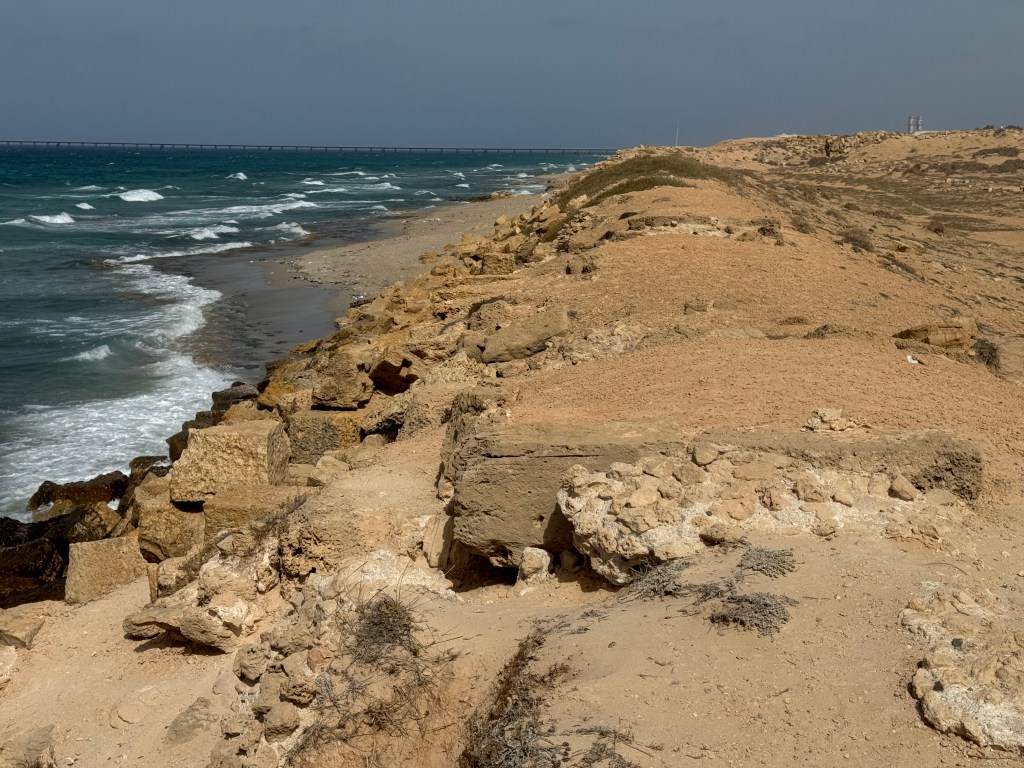
There is also a well preserved dock with mooring blocks, another rarity from antiquity. If you are interested in history then this is an excellent place, probably worth going to Libya for in general.
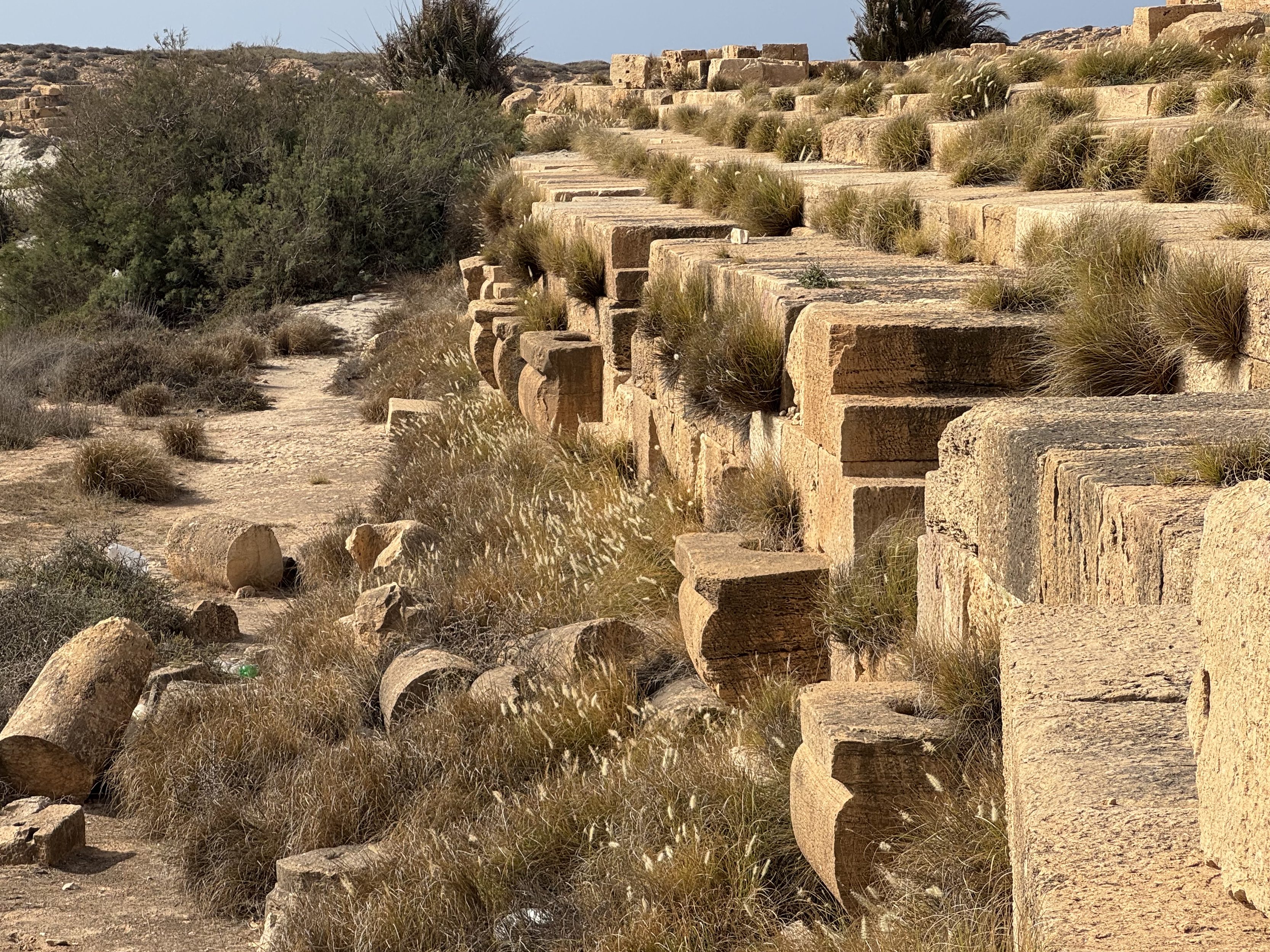
The ancient dock (left), featuring a row of mooring blocks (seen with holes in the tops, right)
On the way back to the hotel I was able to get a SIM card with My Libyana (15 dinar for 5GB, or 25 dinar for 15GB).
Day 4 / Tripoli

Our Tripoli city tour started with the Red Castle (unfortunately the museum is closed as with all museums in Libya right now). Gaddafi and Mussolini both gave speeches from here, so it is quite a surreal feeling just hanging around here. There are some amazing gardens, canons and views from up here though.


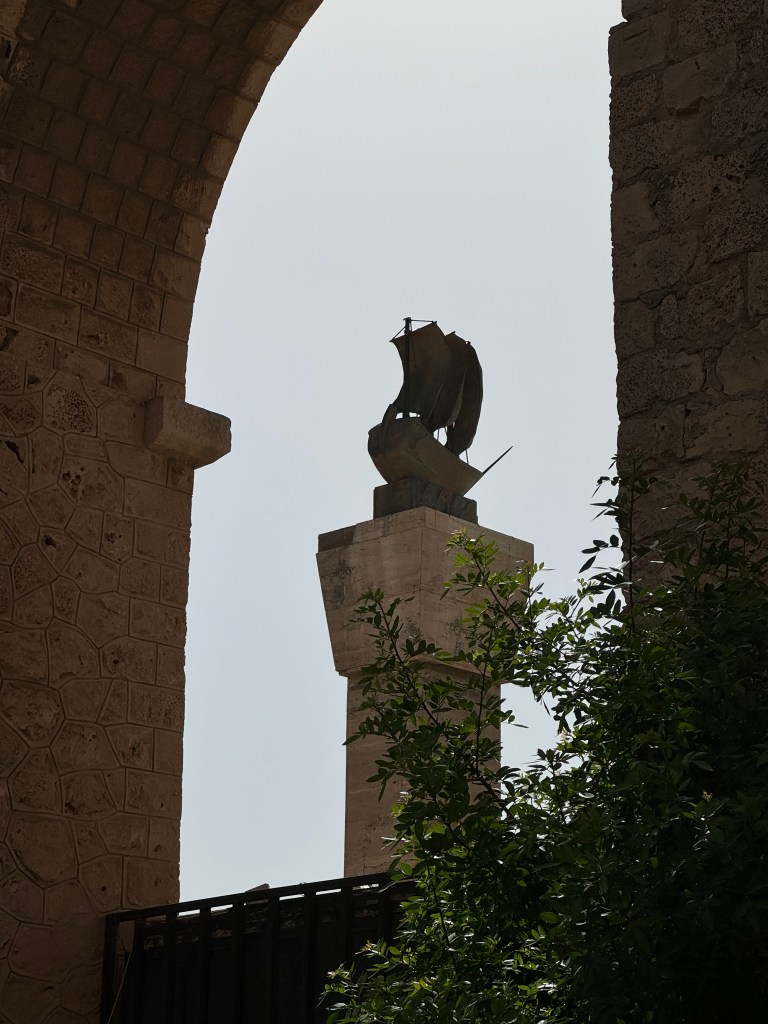
Then we went through the Old City, and first things first was to exchange money. We got a great rate in the markets with US$100 getting us 675 Libyan dinars. Strolling through the markets and quaint Mediterranean alleyways was so nice at this time in the morning as it was quiet.
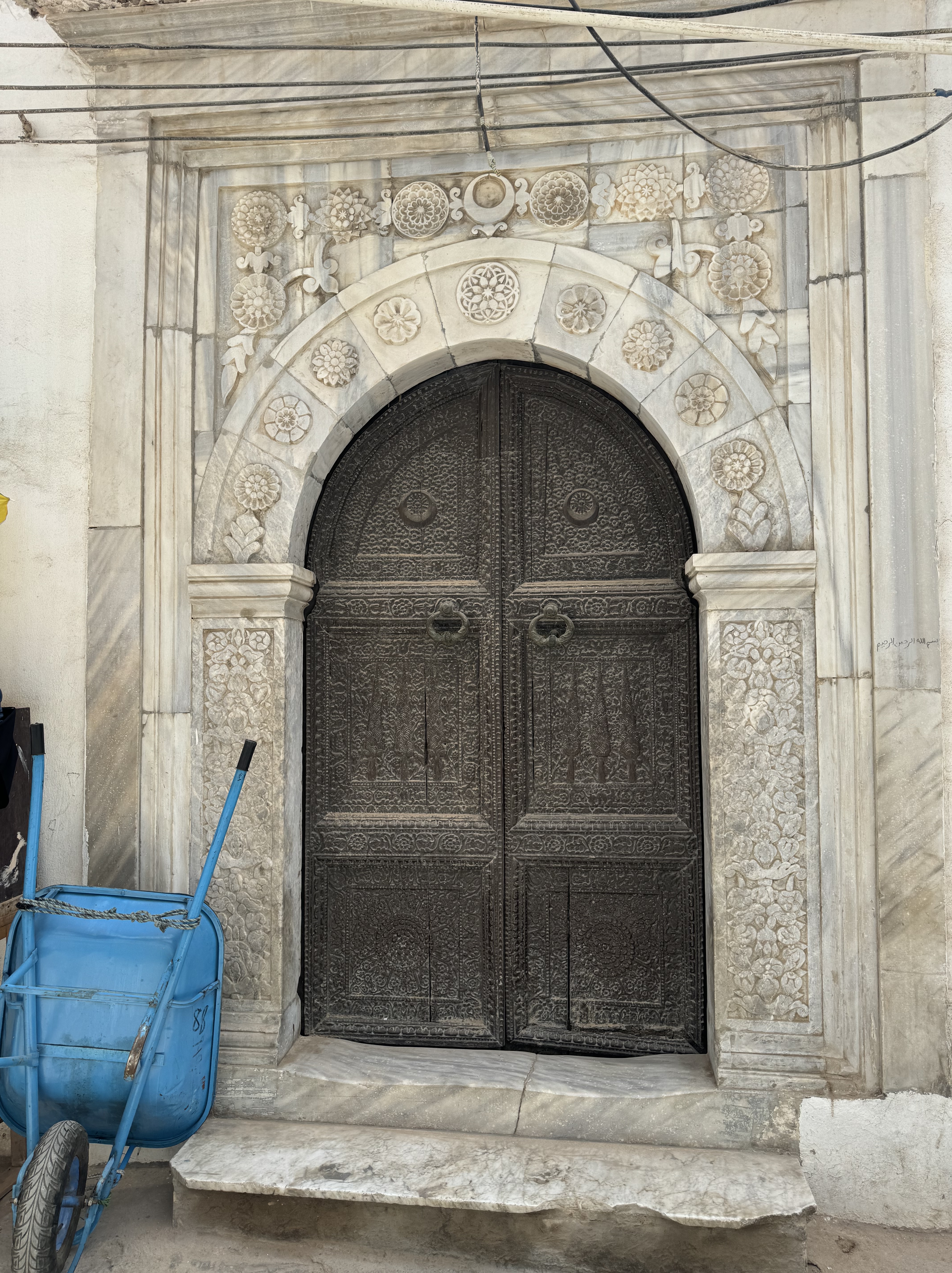
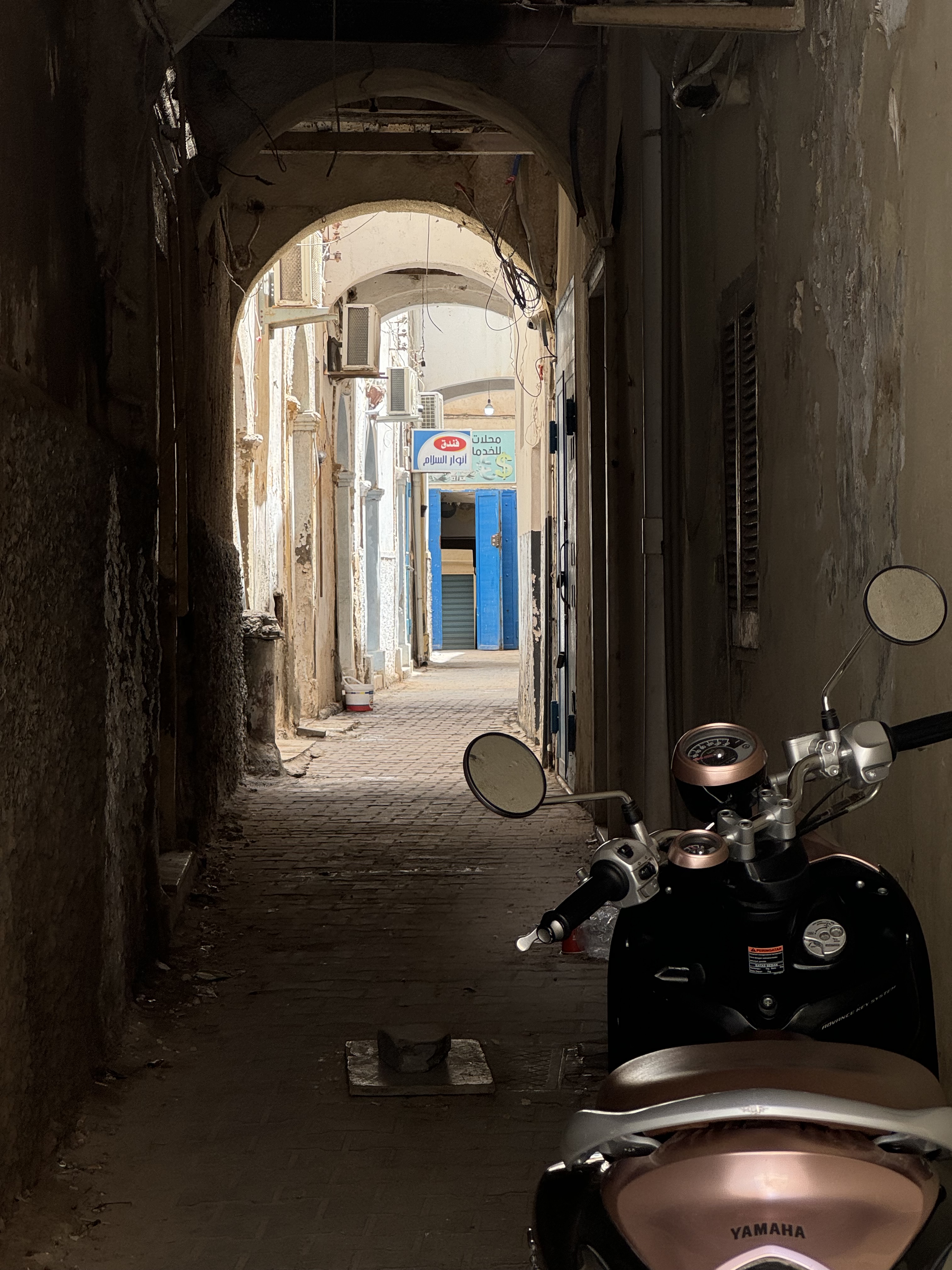
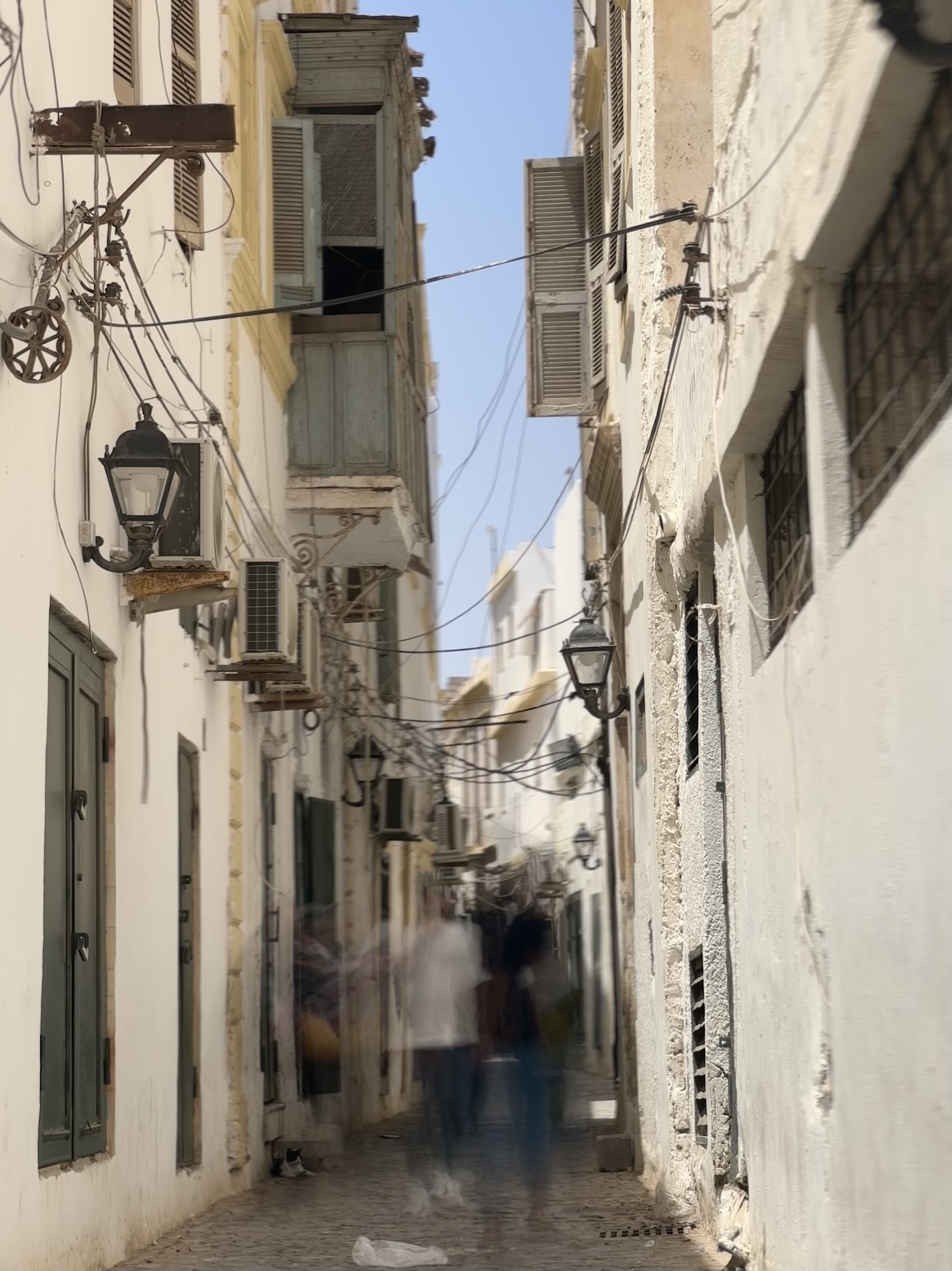
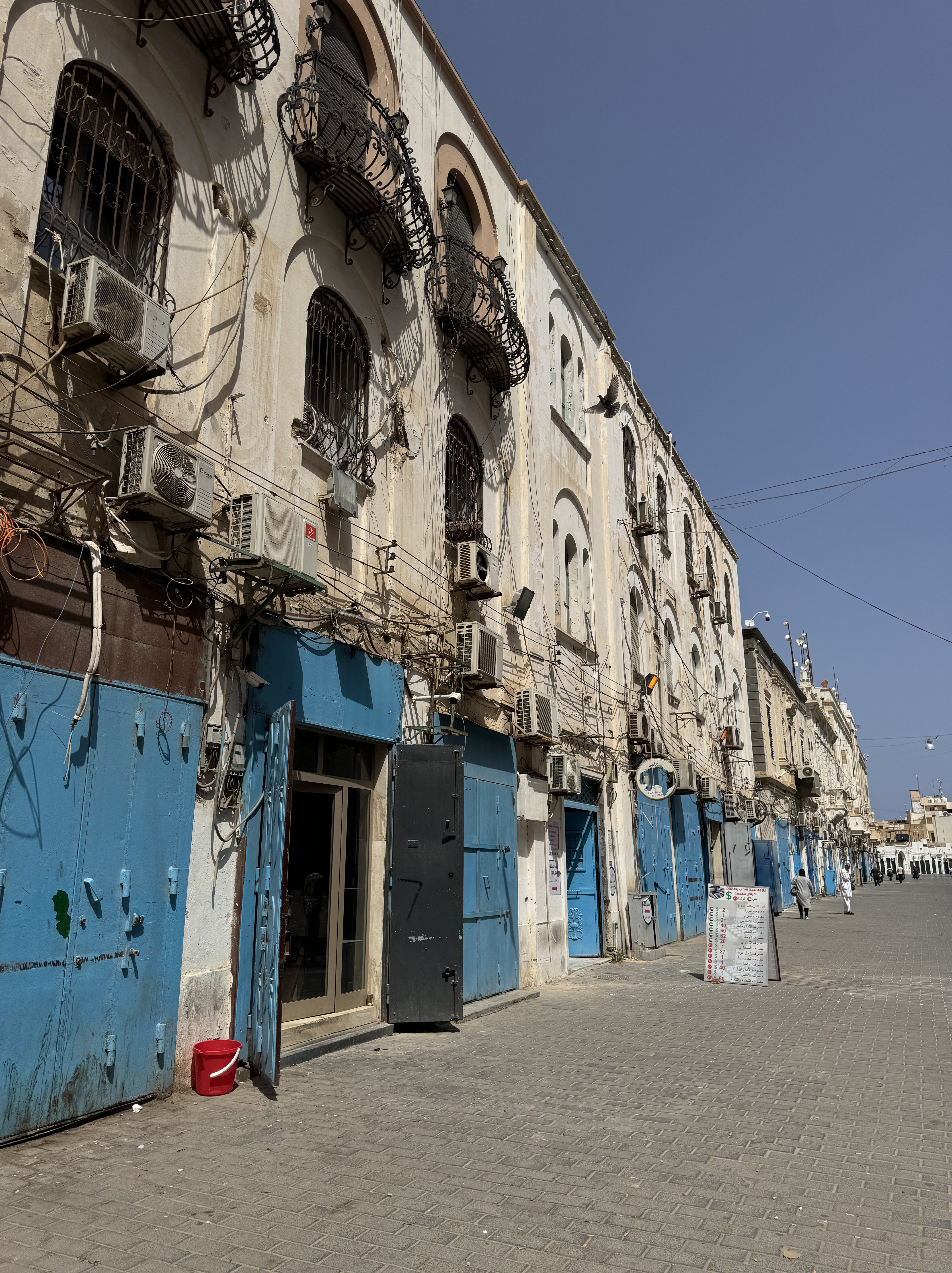
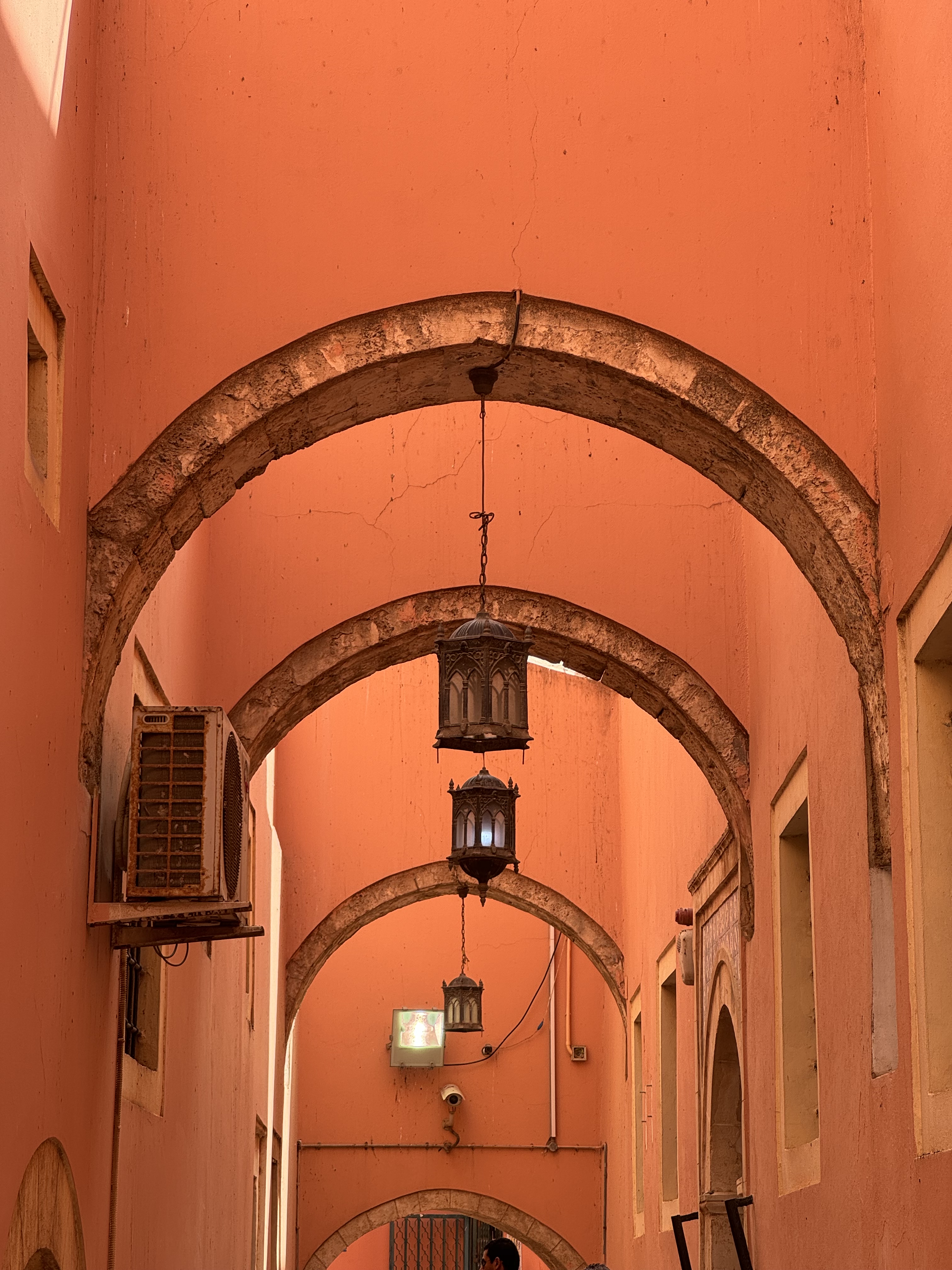
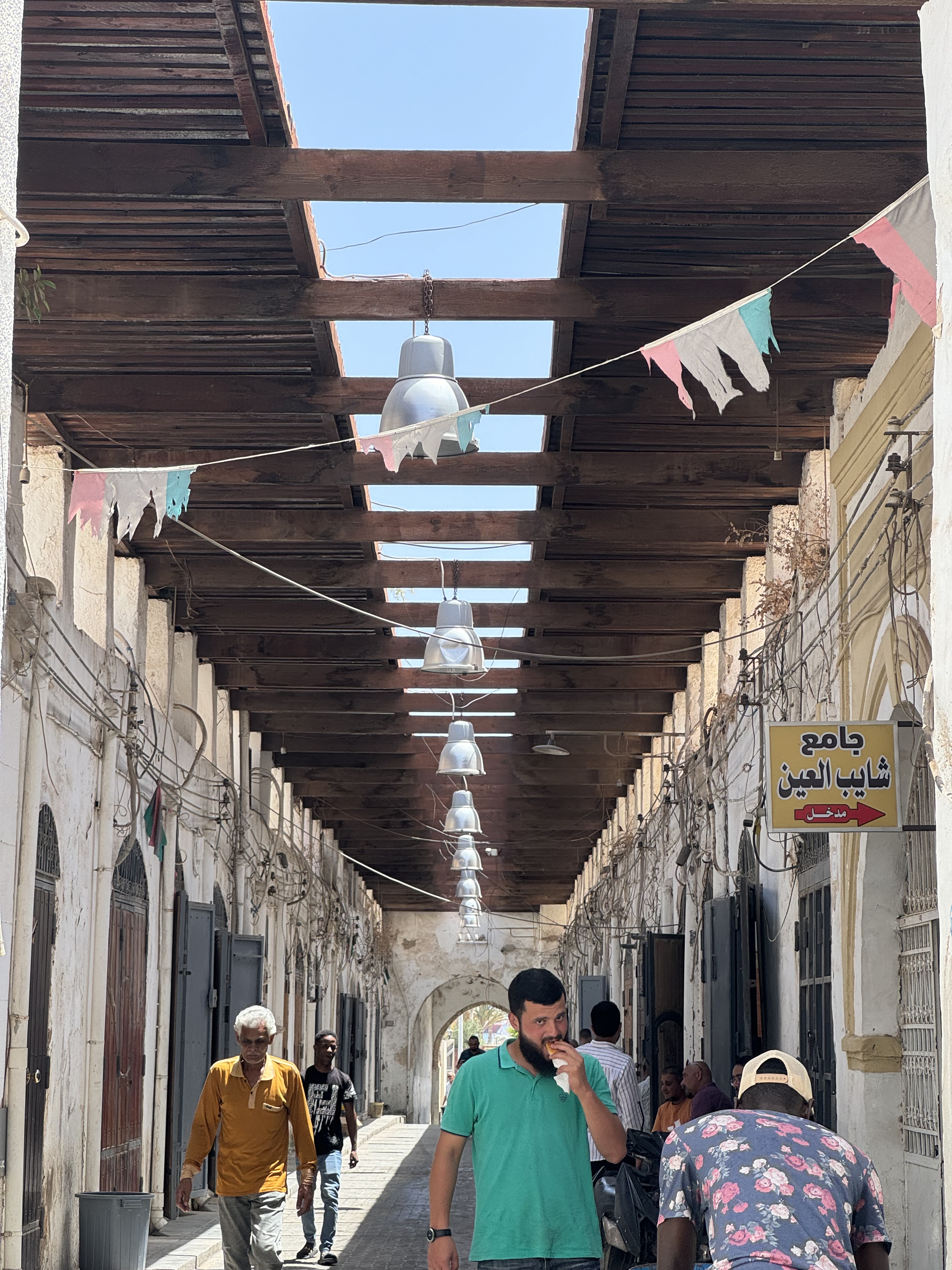
The streets and archways of Tripoli
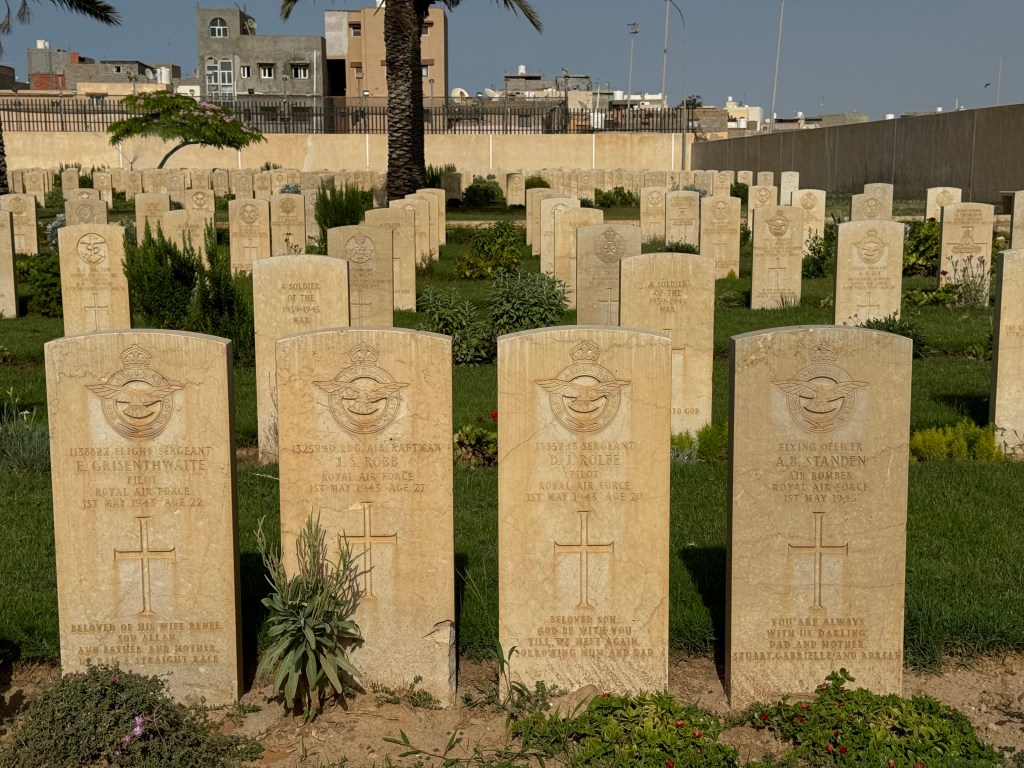
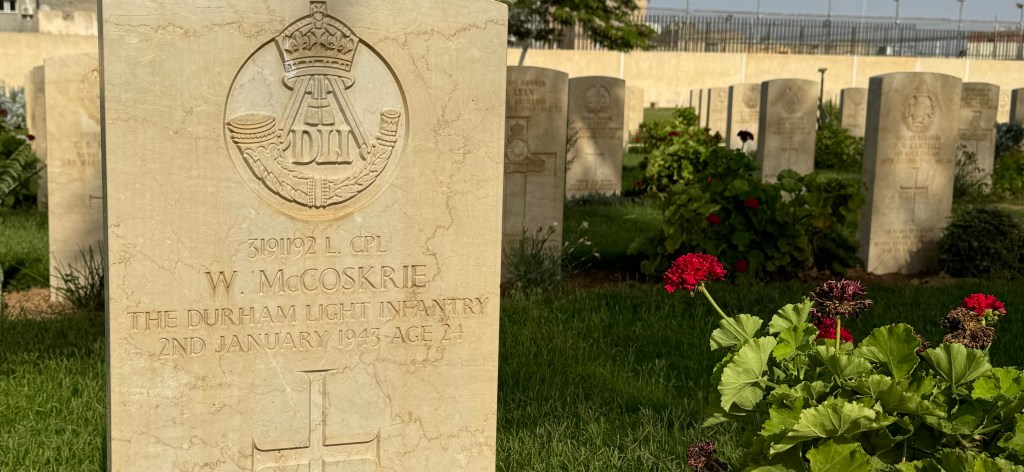
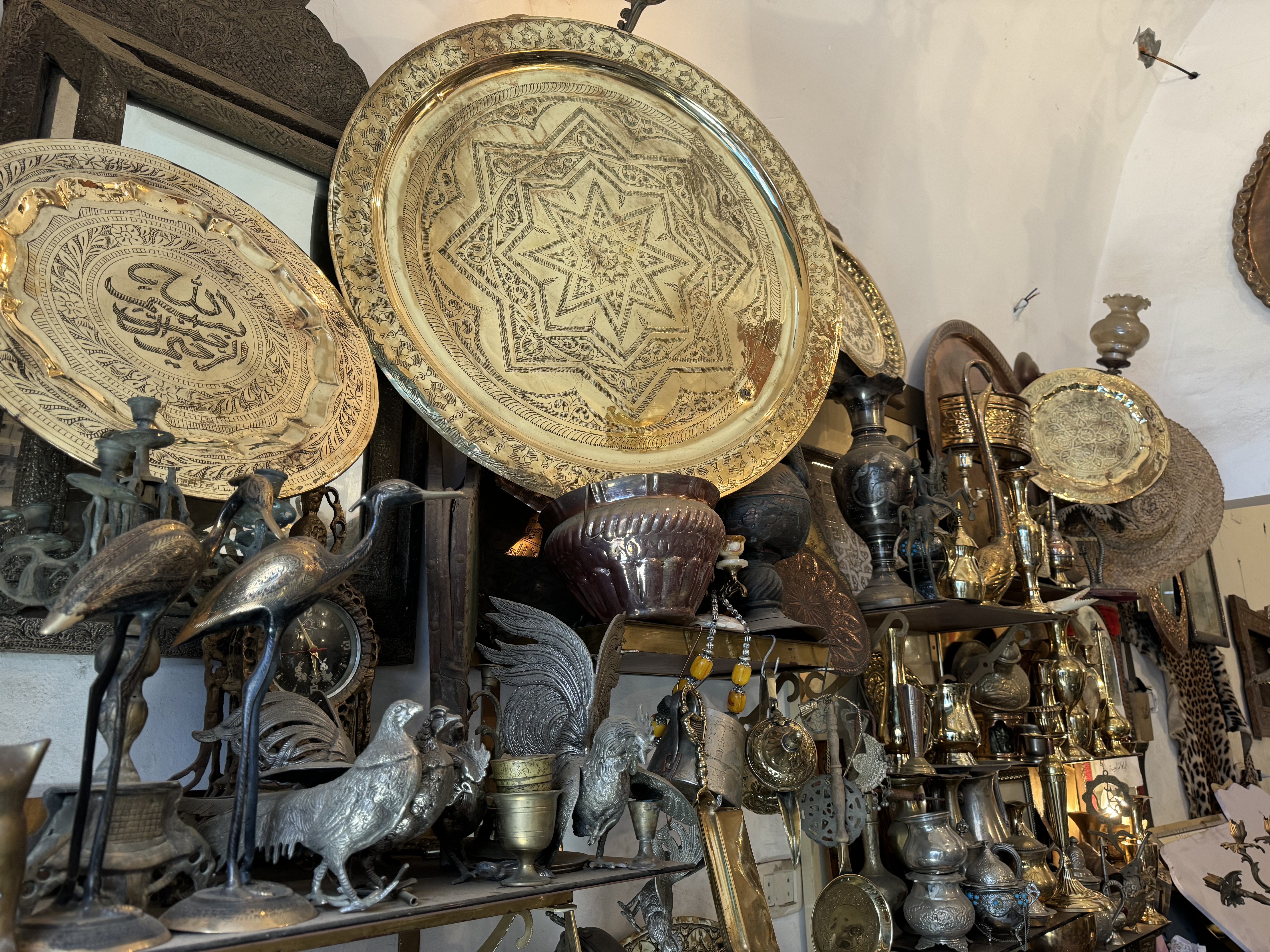
We continued to the Marcus Aurelius Arch and its gorgeous surroundings, the old British Consulate, many hotel-turned-cafes, the souk (where we got souvenirs), and finally the British and Commonwealth cemetery. The cemetery is mostly for the British and Commonwealth soldiers who died during the North Africa campaigns in WWII, and as a vast amount of Brits and previous and current commonwealth nations had a relative who fought in this campaign, it is quite a heavy place to visit.
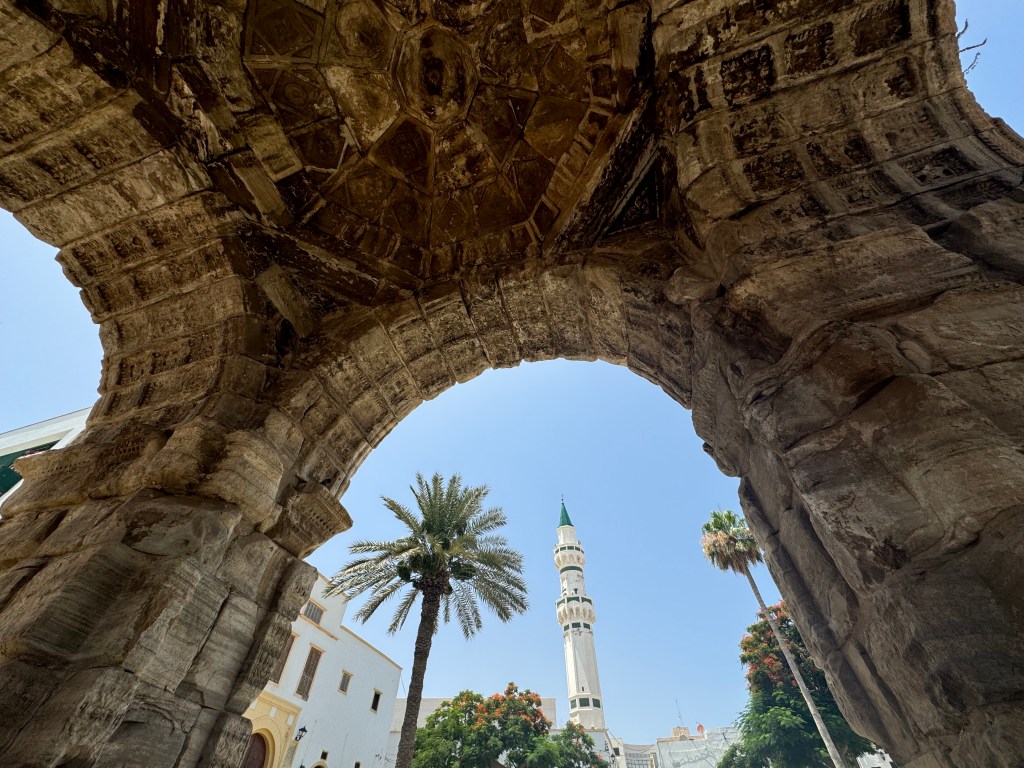
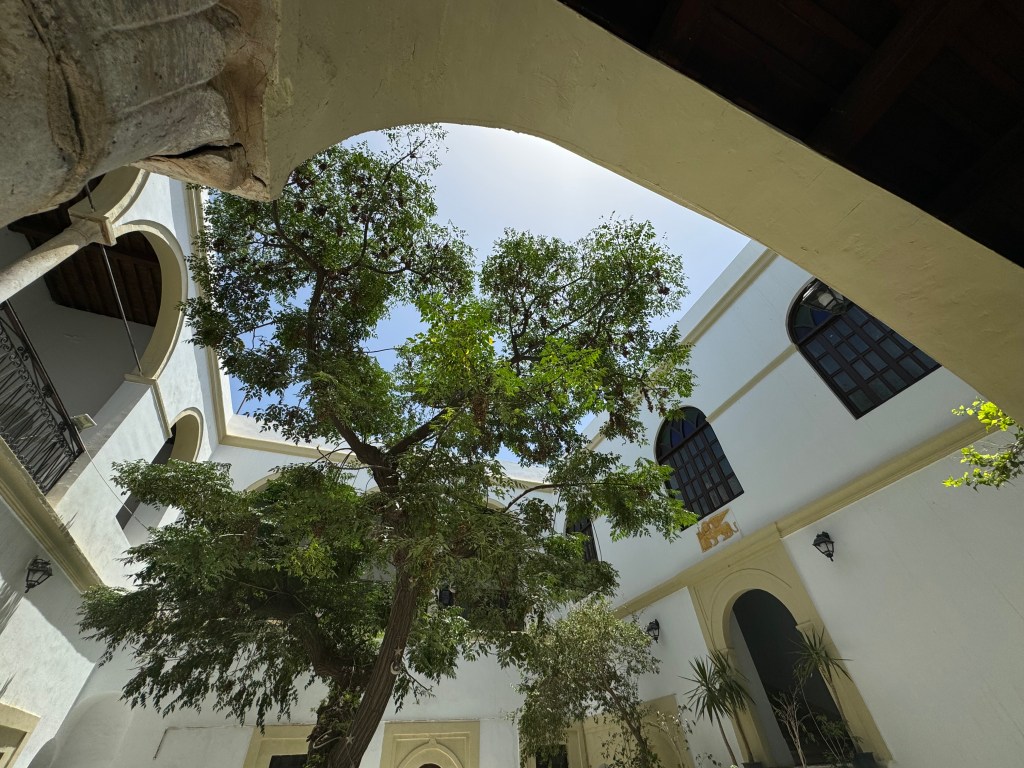
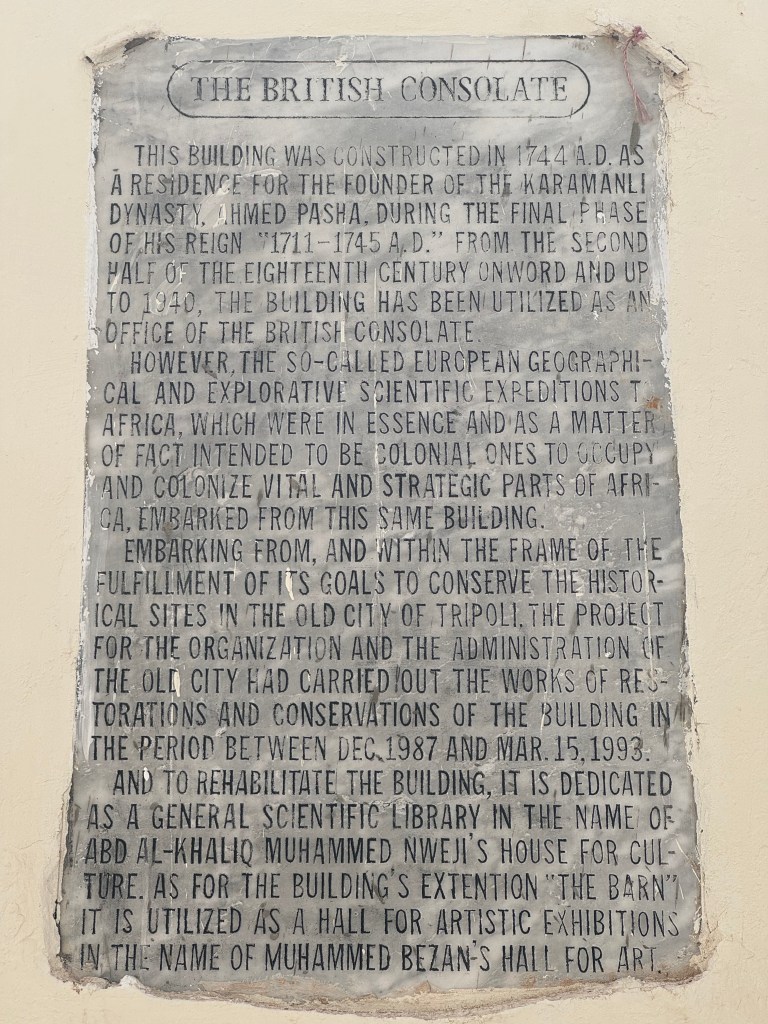
It is pleasantly surprising how well kept and even decorated these all are, from the ancient Roman Ruins to the British historical presence here. There are many colonised nations who would not be so sincere towards the preservation of these kind of heritage landmarks, and also not be so interested in the upkeep of the ancient history either. Some real appreciation should be given to the Libyan, or at least the Tripolitan, preservation efforts and respectfulness.

We continued to Algeria Square and the Galleria of Tripoli, opposite the World Islamic Call Society Mosque (the one which Mussolini originally destroyed and built a cathedral on). It was a long day as there is so much to see in Tripoli, even just in the old town, but it is absolutely worth it as it is an incredible city with such charm that few foreigners get to experience.

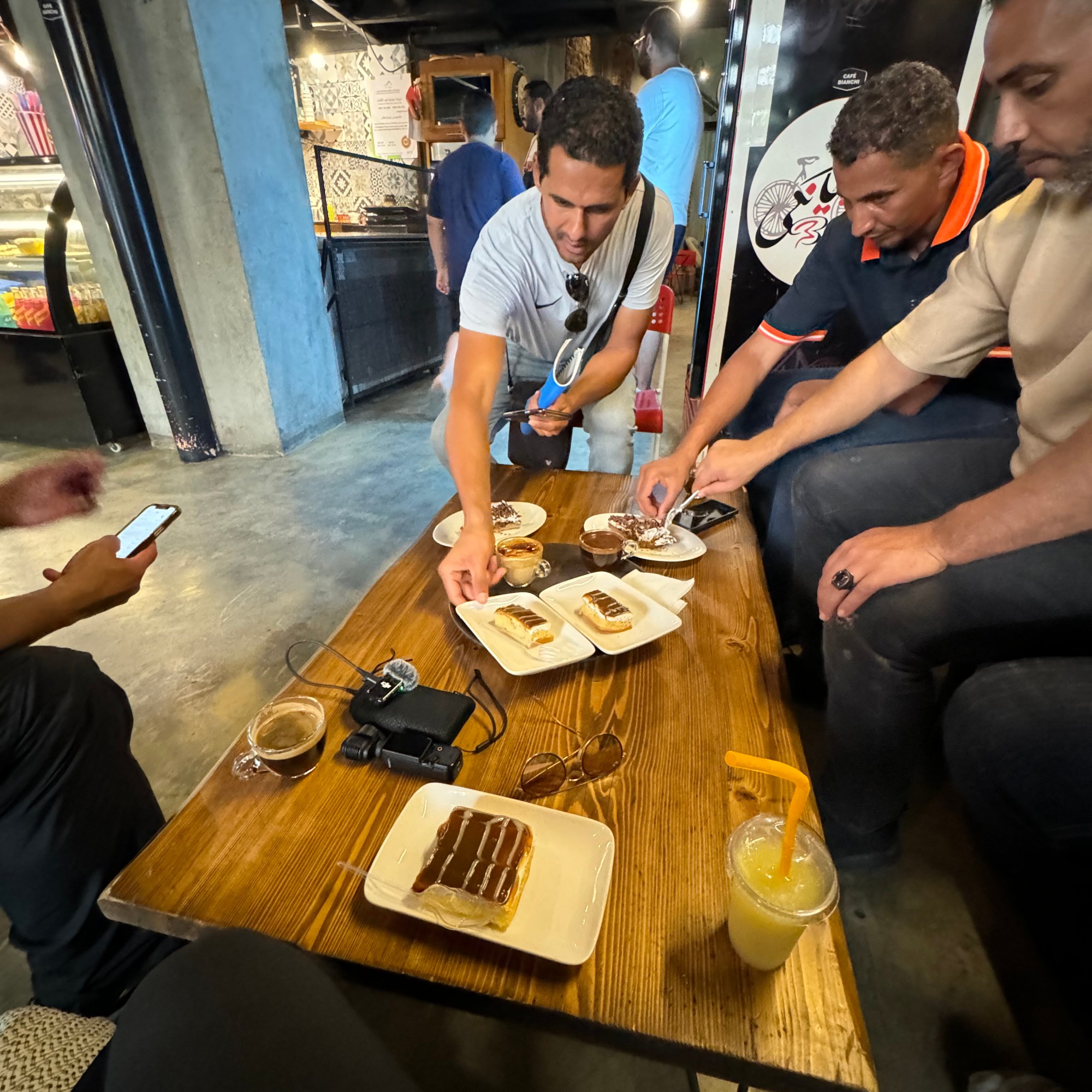
That 30s Italian influence mixed with the Arabic architecture and culture really make an amazing city and coffee culture. The cappuccinos in Libya were regularly excellent and some of my favourites in the world, as the foam is nice and thick and creamy – there are coffee machines everywhere!
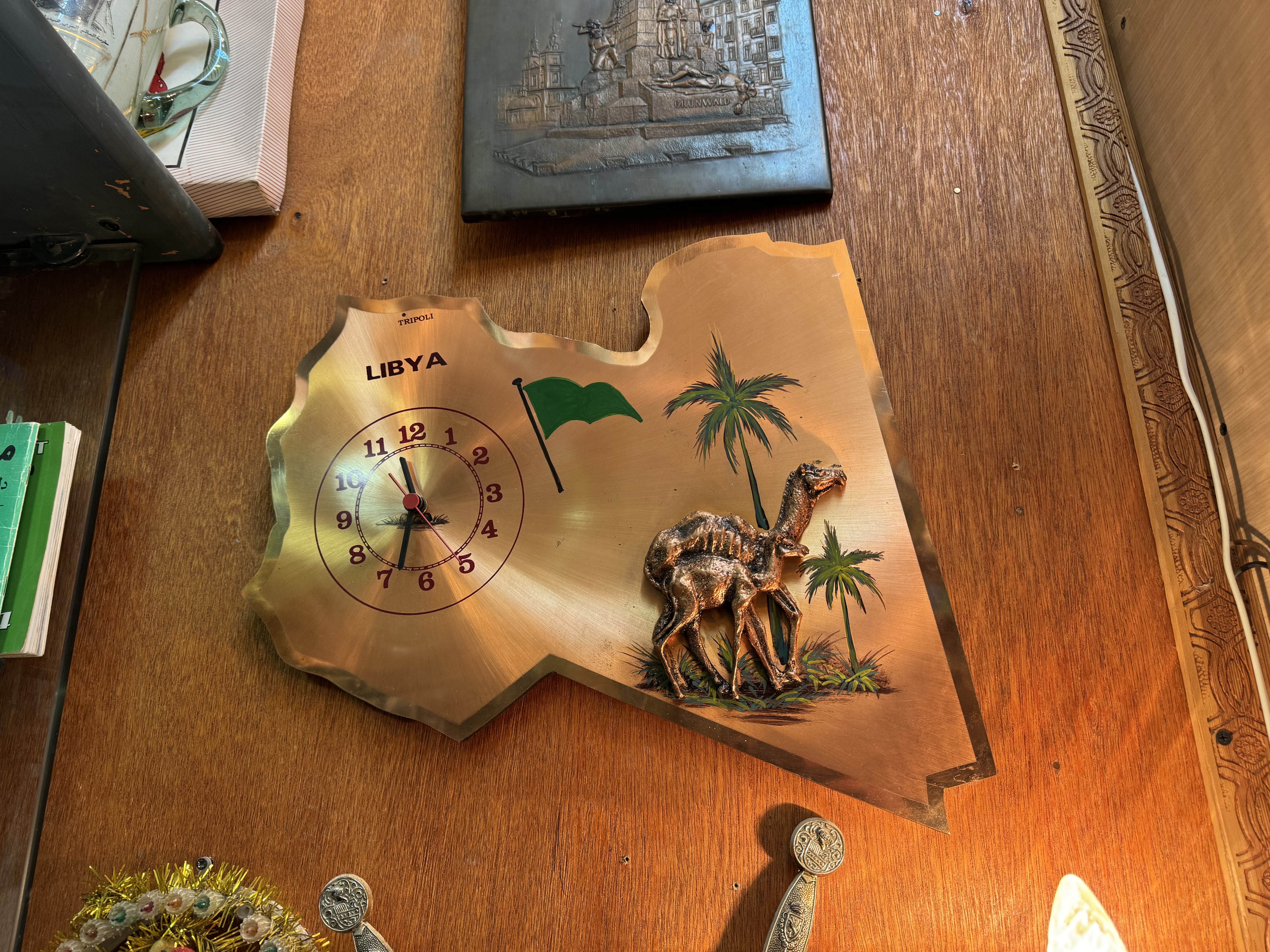
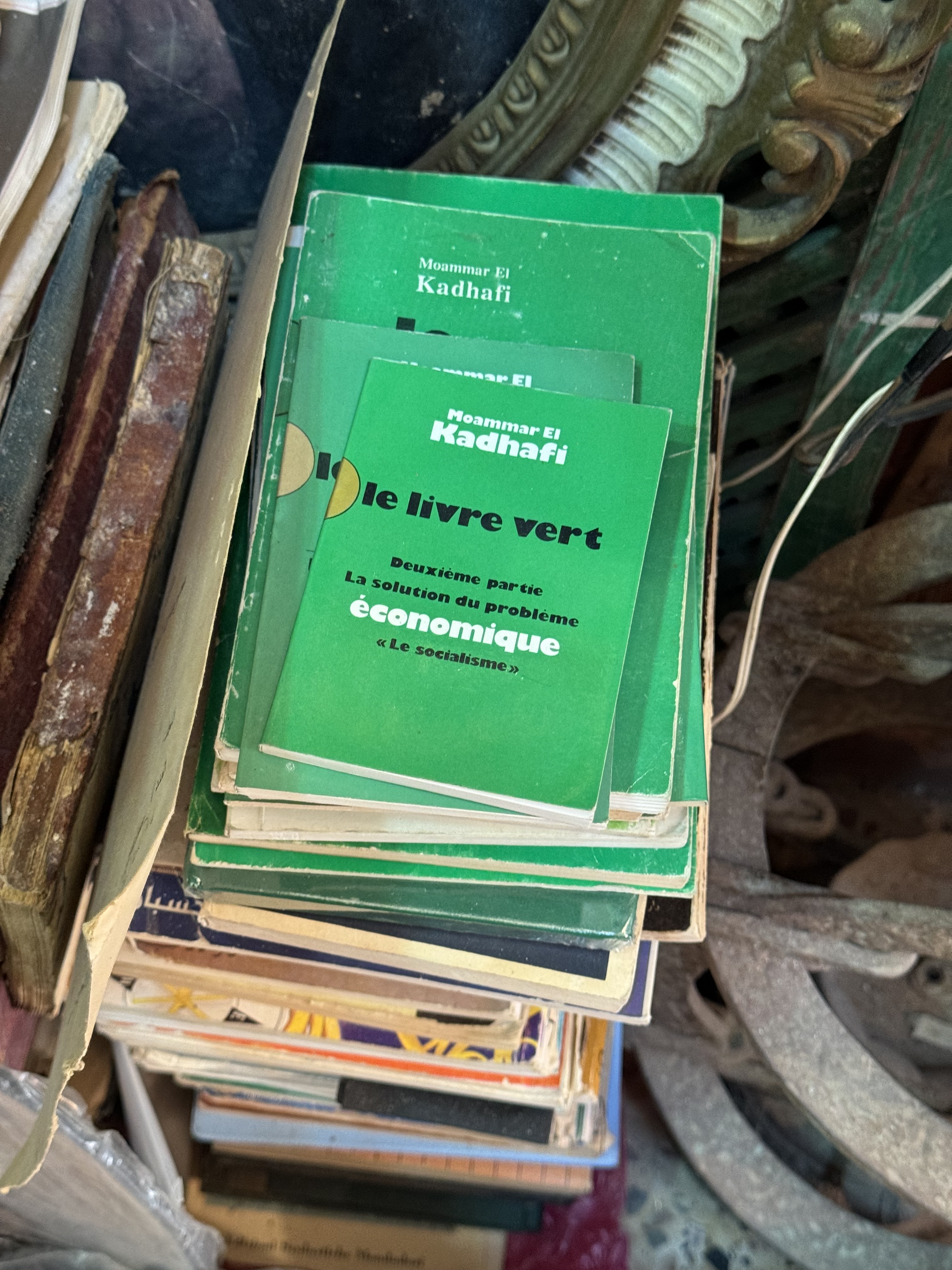
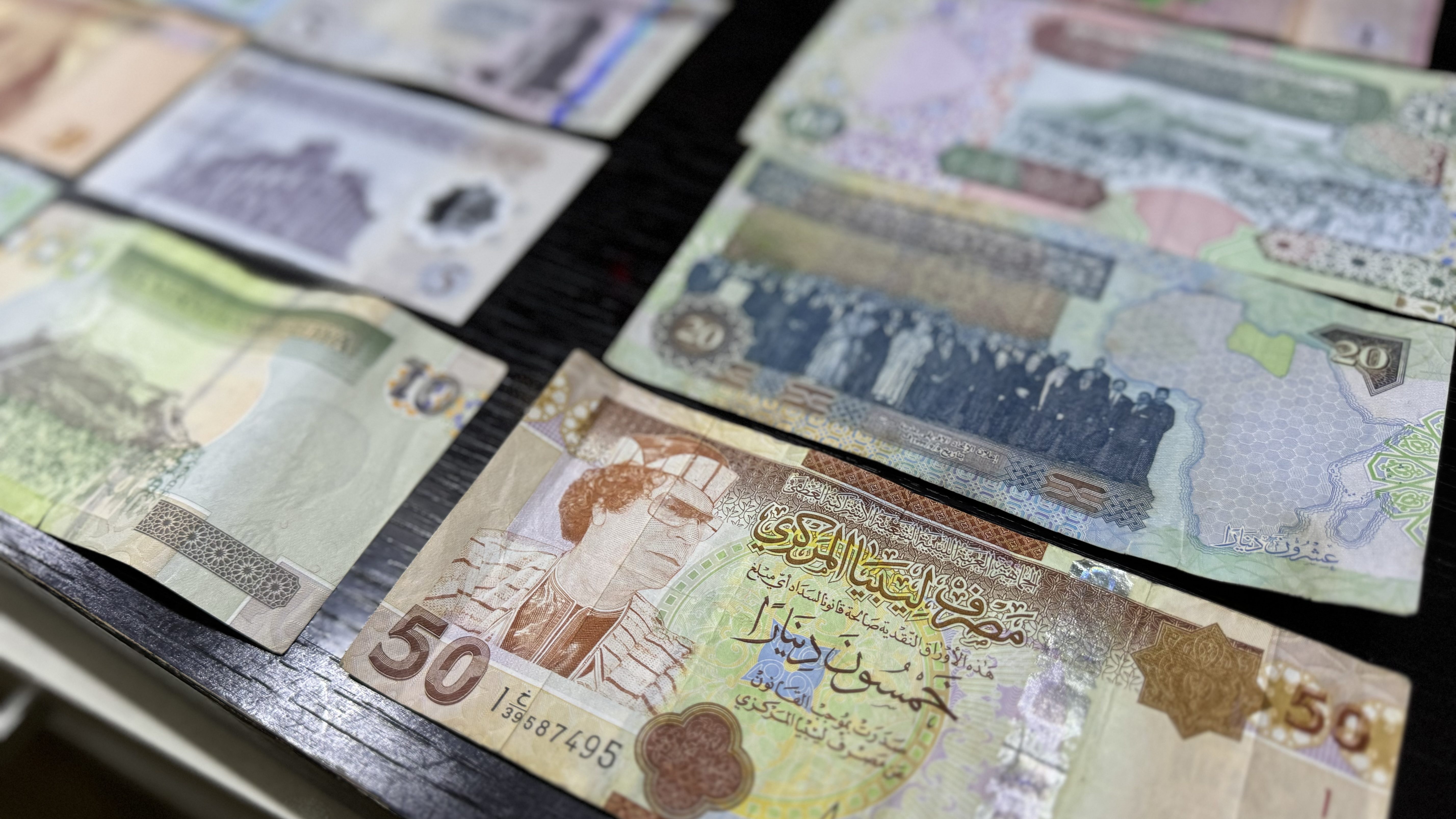
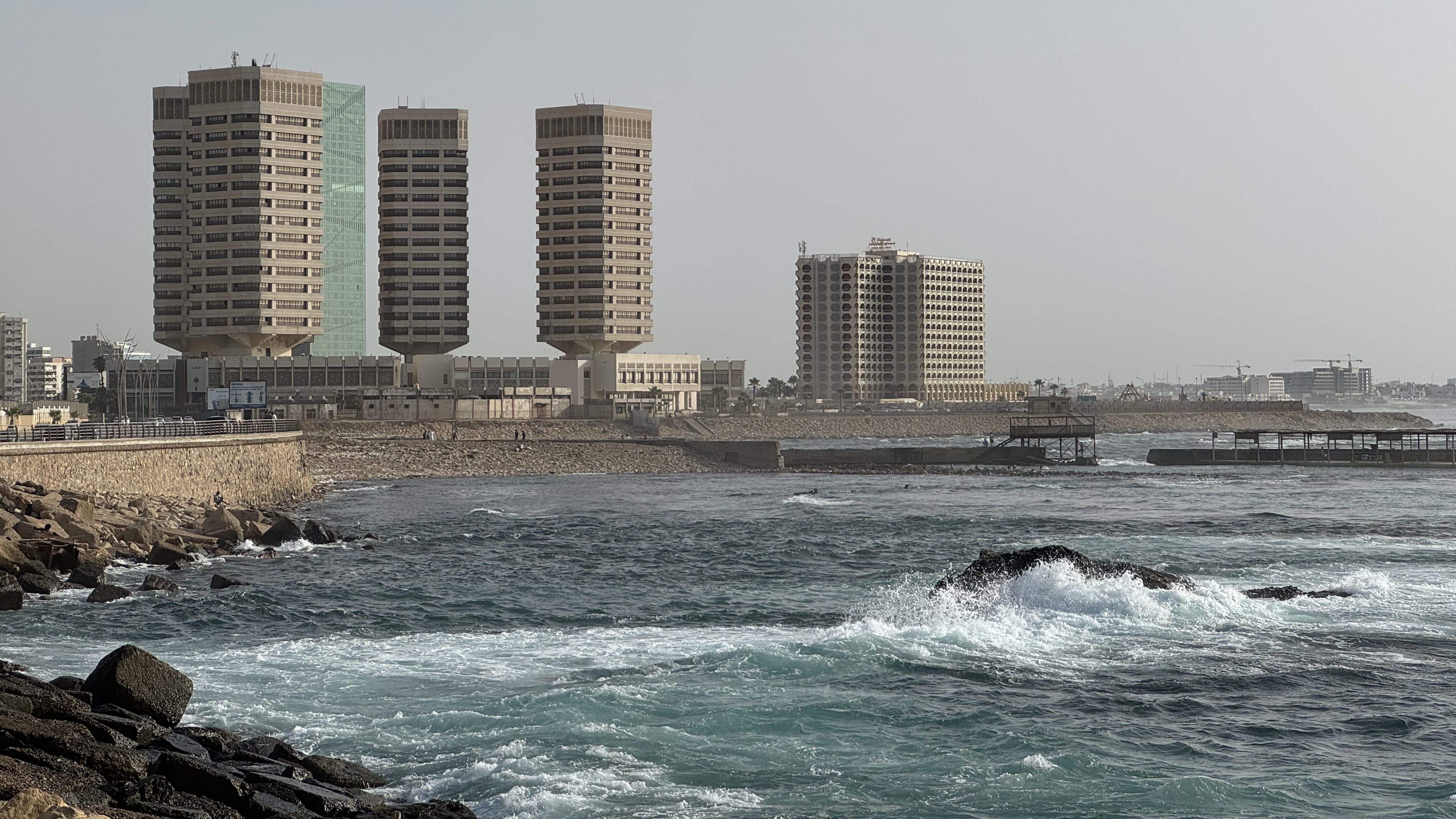
Finally, we went to the edge of the city centre and got a nice view of the That El Emad Towers by the sea, a well known Tripolitan skyline of five apartment, office and commercial buildings built by Daewoo during the Gaddafi era.
Day 5 / Sabratha & Departure
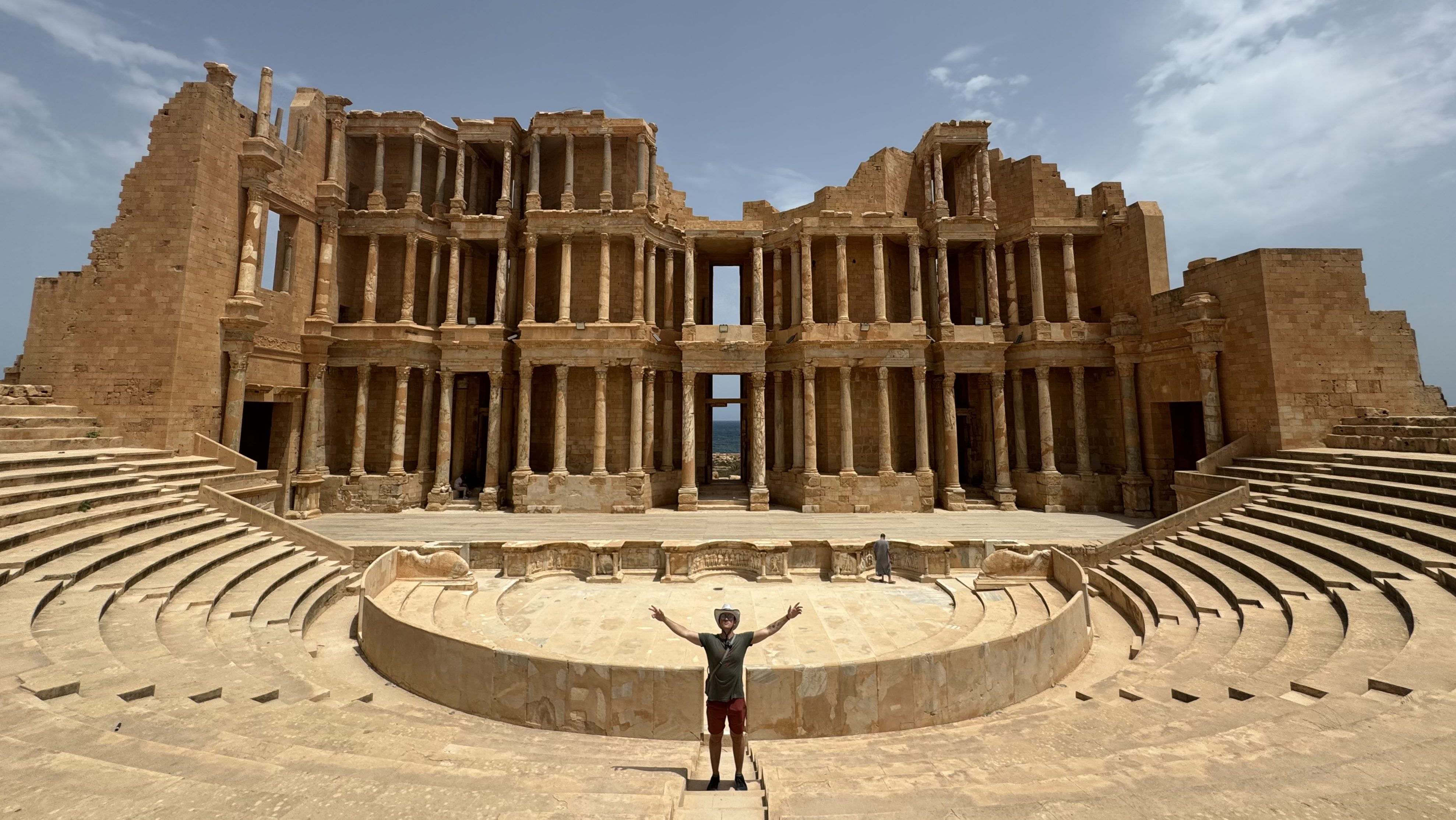
You think you have seen all the best ruins after Leptis Magna, but then Sabratha totally outdoes things on the amphitheatre and mosaic game. This is one of the best restored amphitheatres from antiquity, with almost fully intact rear tunnels, stage and facade, which also has a sea backdrop.

The mosaics are also some of the best preserved of any ancient city, still sprawled around in their original places. There were also some interesting weird apparently dolphin sculptures at the base of the theatre stage, as well as a whole story of sculptures along the stage front in amazing condition. The way the city just stops at the sea is also really quite something.


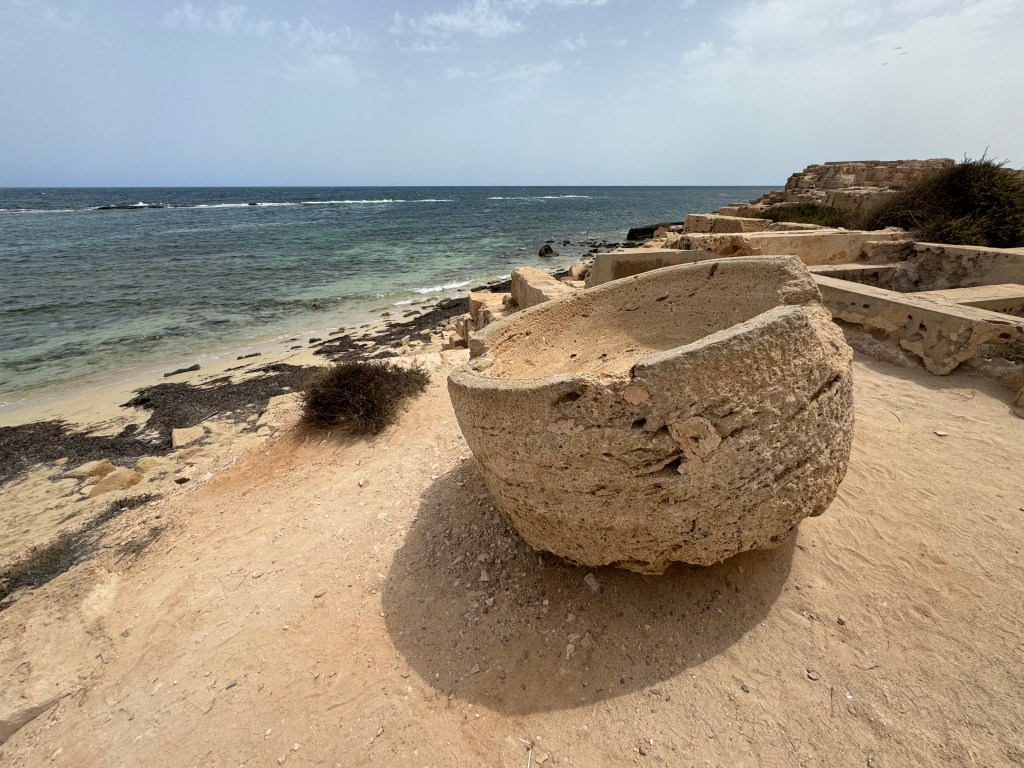
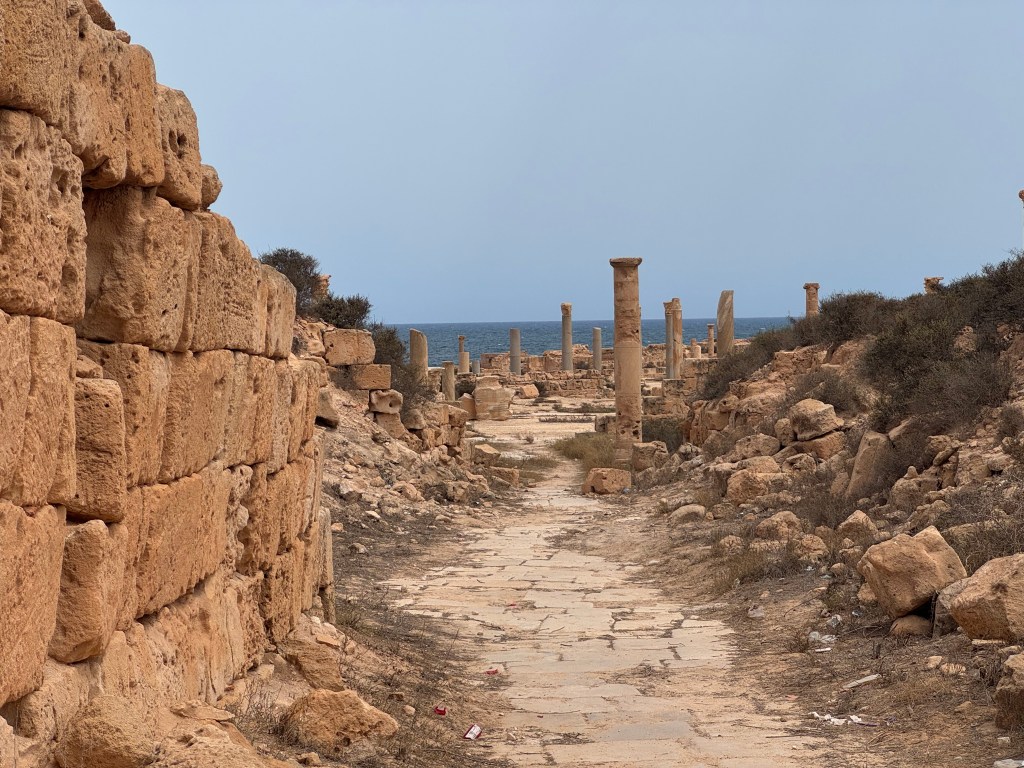
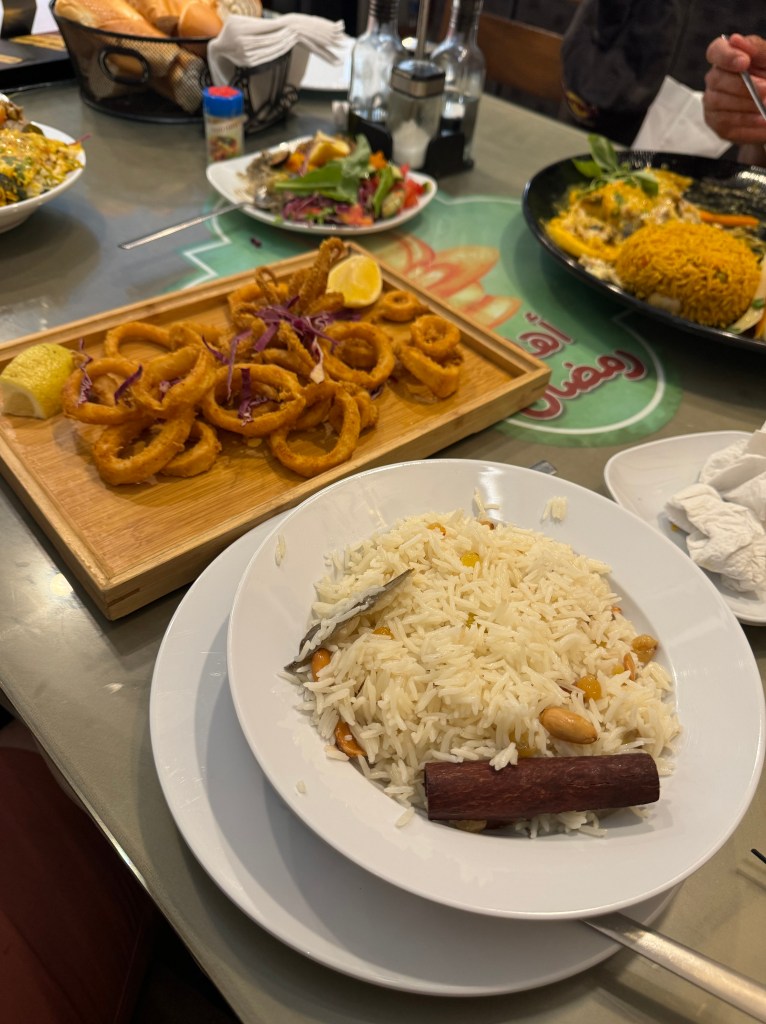
After exploring this amazing place we stopped for a nice big lunch which specialised in sea food (I had some of the best fried calamari ever) and continued to the airport. Getting through to the gate took about an hour with Ramzi getting called through to security a few times, just down to the bureaucracy especially around the new e-Visa implementation. Everything went fine though and we were back in Tunis no problem on our Afriqiyah Airways flight.
Final Thoughts
The whole Libyan crew with us was amazing, from the driver to the tourist police chaperone! They were funny and chatty and taking pictures of us and with us, everyone seemed to be enjoying the trip as much as we were! Our chaperone even joined us for the nice dinners in the hotel at the end of the day and always invited us for tea. Our coffee stops throughout the day were always really nice too and great opportunities to get to know each other.
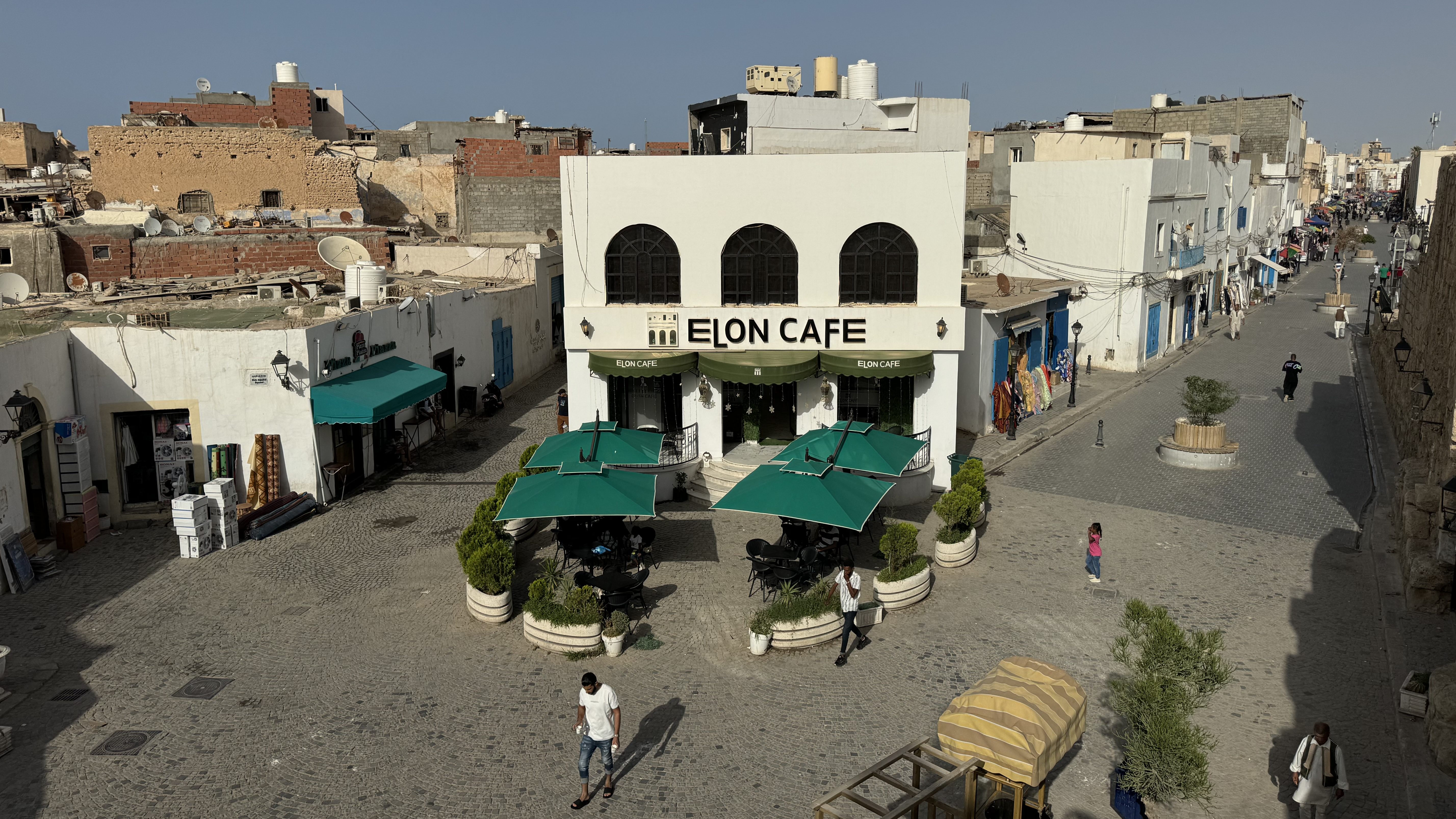
You could leave the hotel and stroll the streets if you wanted, as long as you took the police with you, although we were always too tired from those North African June summer days!
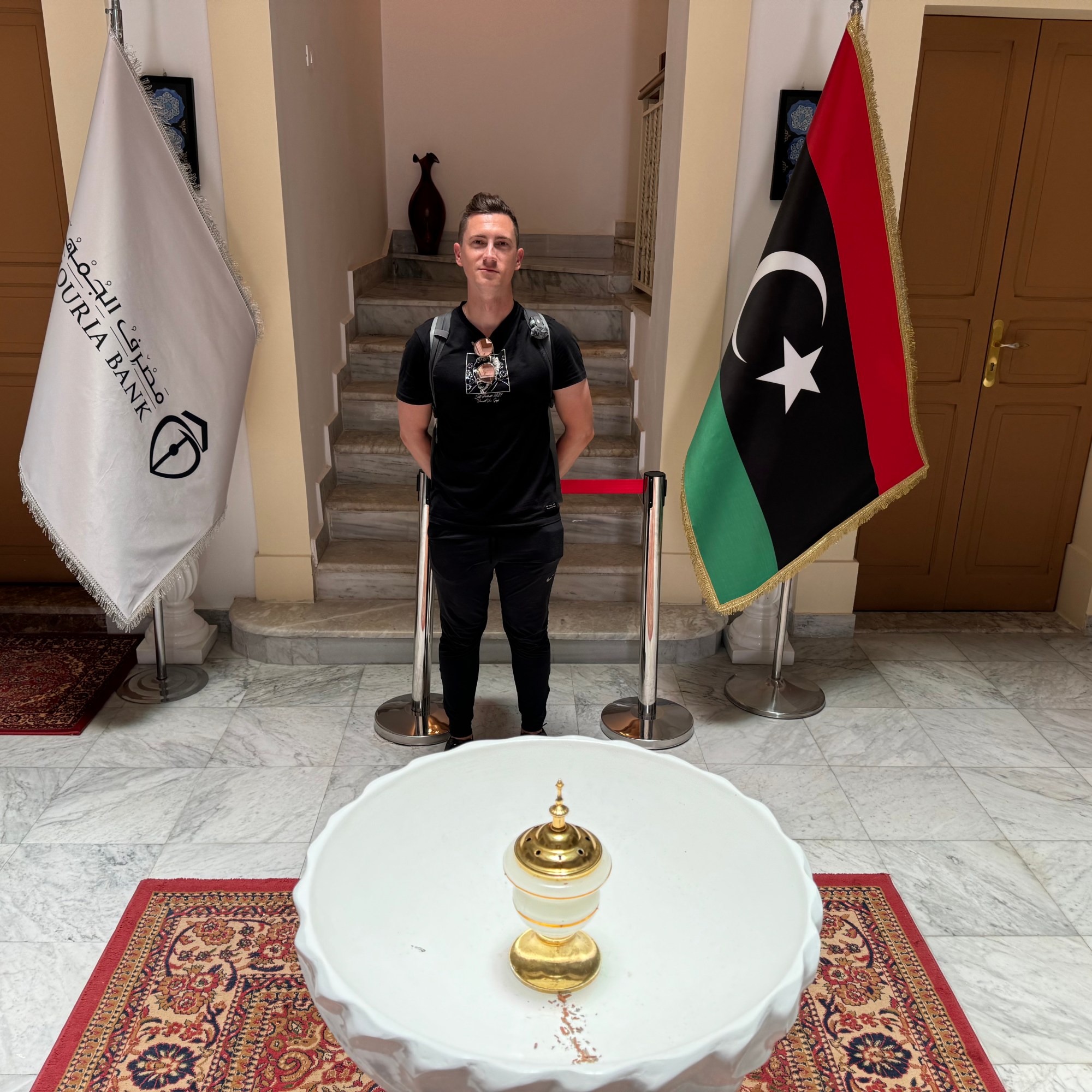
I enjoyed Libya a lot from the architecture to the history and from the people to the coffee. The food was delicious (although sometimes a bit spicy) with excellent seafood, rice dishes (with almonds and currants), couscous and many other things. I felt completely safe the entire time, especially as we were escorted by multiple guides and tourist police for the whole tour (even staying in the same hotel as us), and there were even tours being offered to the south and east during the time I was there (June 2024), although the south was too hot to be visited on tours in June. It is such a shame Libya has not been stable in recent years and has the reputation that it does, as the people really are great and friendly and there is a huge amount to offer, especially in the centre and south of the country. For example, the other-worldly landscapes of Waw an Namus which I one day hope to visit.
Some tourists visited Benghazi just before the tour, although there are large additional costs to this (I believe around US$500), however on our stay some tourists were refused entrance to Benghazi and the east in general and were sent back to Tripoli. I believe this is due to the e-Visa system that was not being accepted by the East side at the time, so hopefully some agreement can be made soon as I hear great things about the East too. I think while an e-Visa is in place you should make the most of it and visit Libya, and if you are set on going to the East then perhaps contact Sherwes on the up-to-date situation, as it may take a bit of time for the East to accept the e-Visa system. It is quite a fluid situation in Libya, however recently it has seemed for the best, with foreign visits only allowed for business until very recently, followed by the tourist visa and now the tourist e-Visa.


 Matt Vincelli
Leave a comment