WHAT TO EXPECT ON A ROCKY ROAD TRAVEL TOUR OF SYRIA
Visited / April 2024
TL;DR
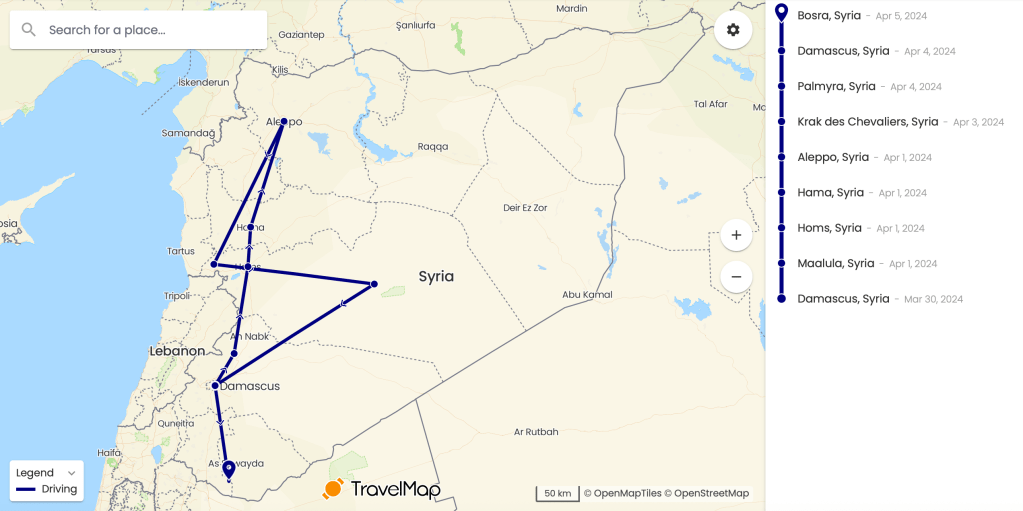
- I did the Syria Easter Tour with Rocky Road Travel – recommended
- The base tour cost £1,200
- The additional day to Bosra added another £100 – highly recommended
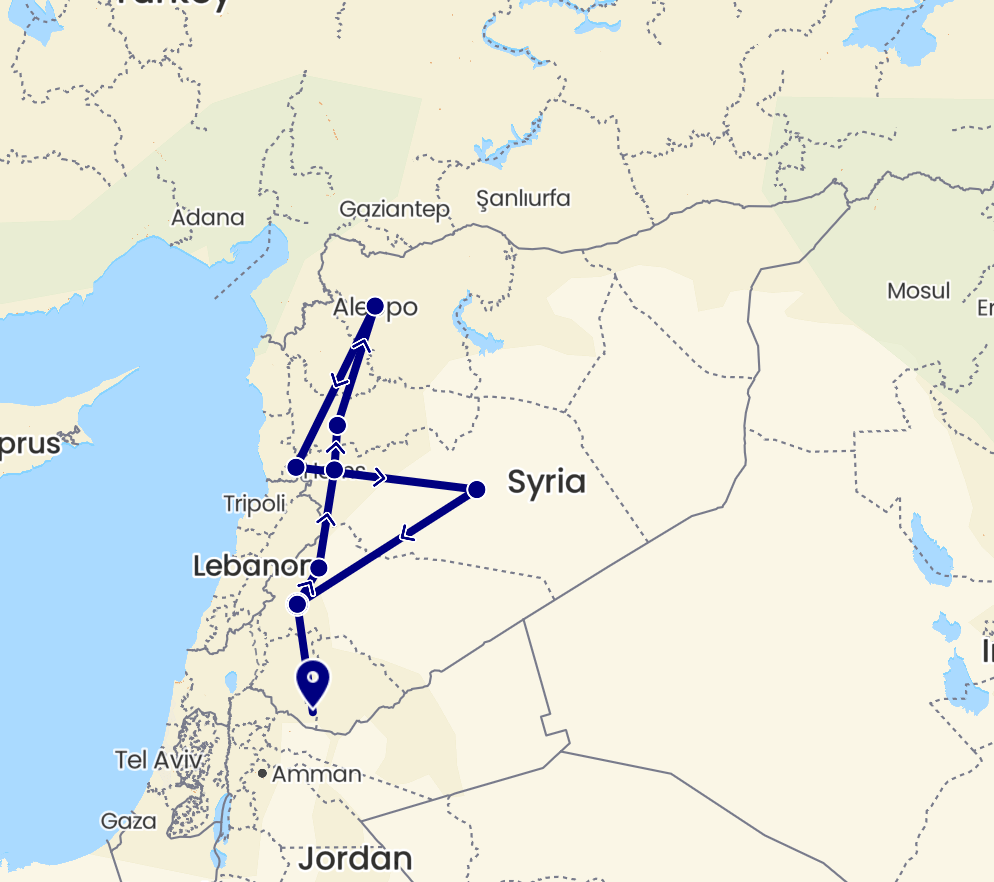
- The tour started and finished in Beirut, Lebanon
- No visa issues when getting back into Lebanon from Syria overland
- Visa for UK was £120, but it is probably more now
- This visit was under the Assad Regime, so many things have probably changed
Unmissable Sites
- Damascus is an incredible city
- Krak de Chevaliers – an incredible medieval castle
- Palmyra ancient city
- Bosra – an incredibly unique Nabatean & Roman city in the south
£1,400
Total Spending
The Easter Tour itself was the majority of this price with Rocky Road Travel. This included the additional extension day in Bosra.
£20
Spending per Day
Discounting the main tour & visa price, I roughly spent about £20 per day. This was for lunch and dinner, souvenirs and tips.
6 Days
Time in Country
This is a good amount of time in Syria when doing a tour, as the itinerary is quite full to get you around efficiently, yet enjoyable.
People
Favourate Part
As with much of the Middle East, the people were my favourite part of Syria. I have never seen so many people say hello, wave and invite us for tea.
Day 1 / Damascus
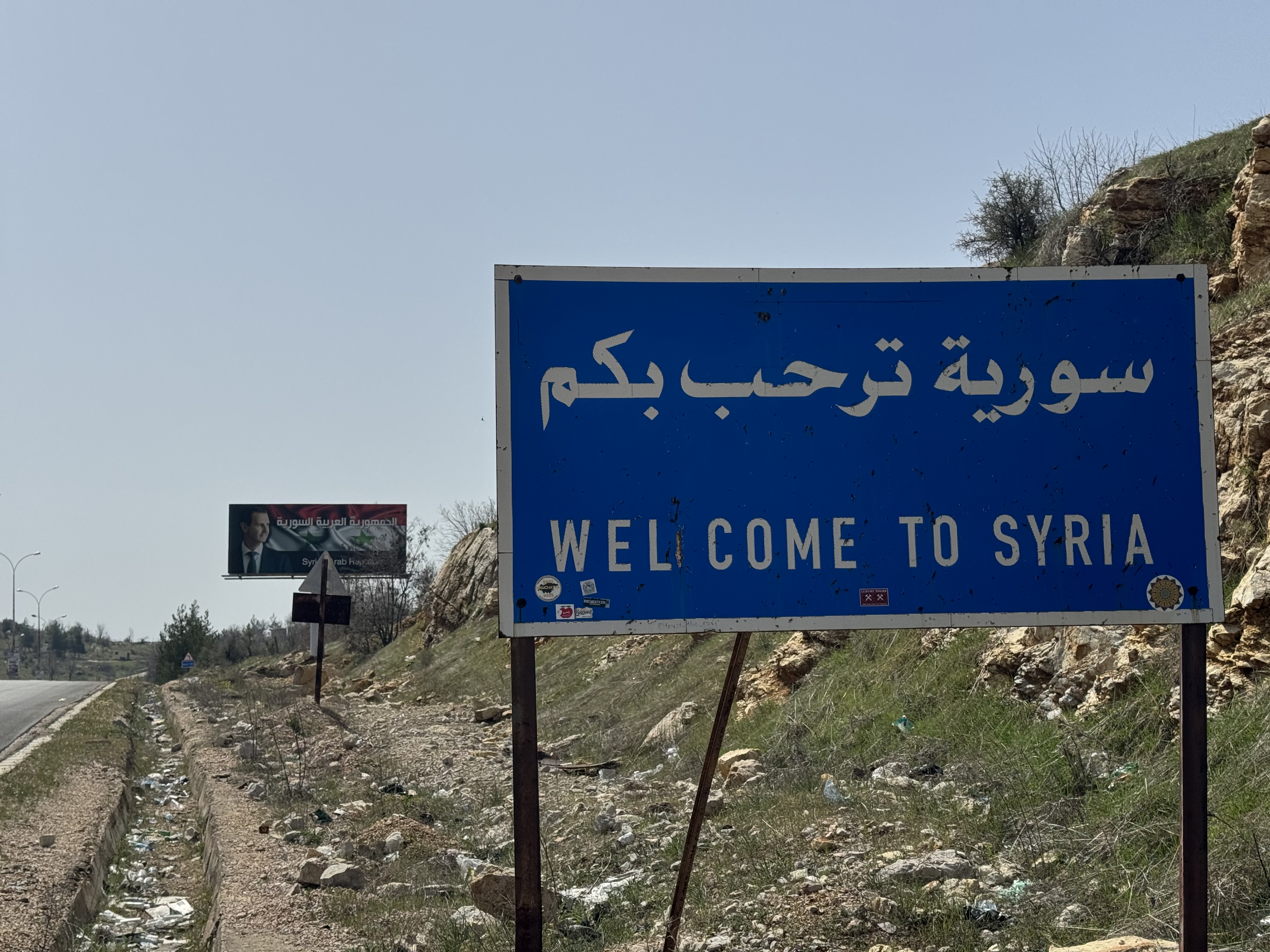
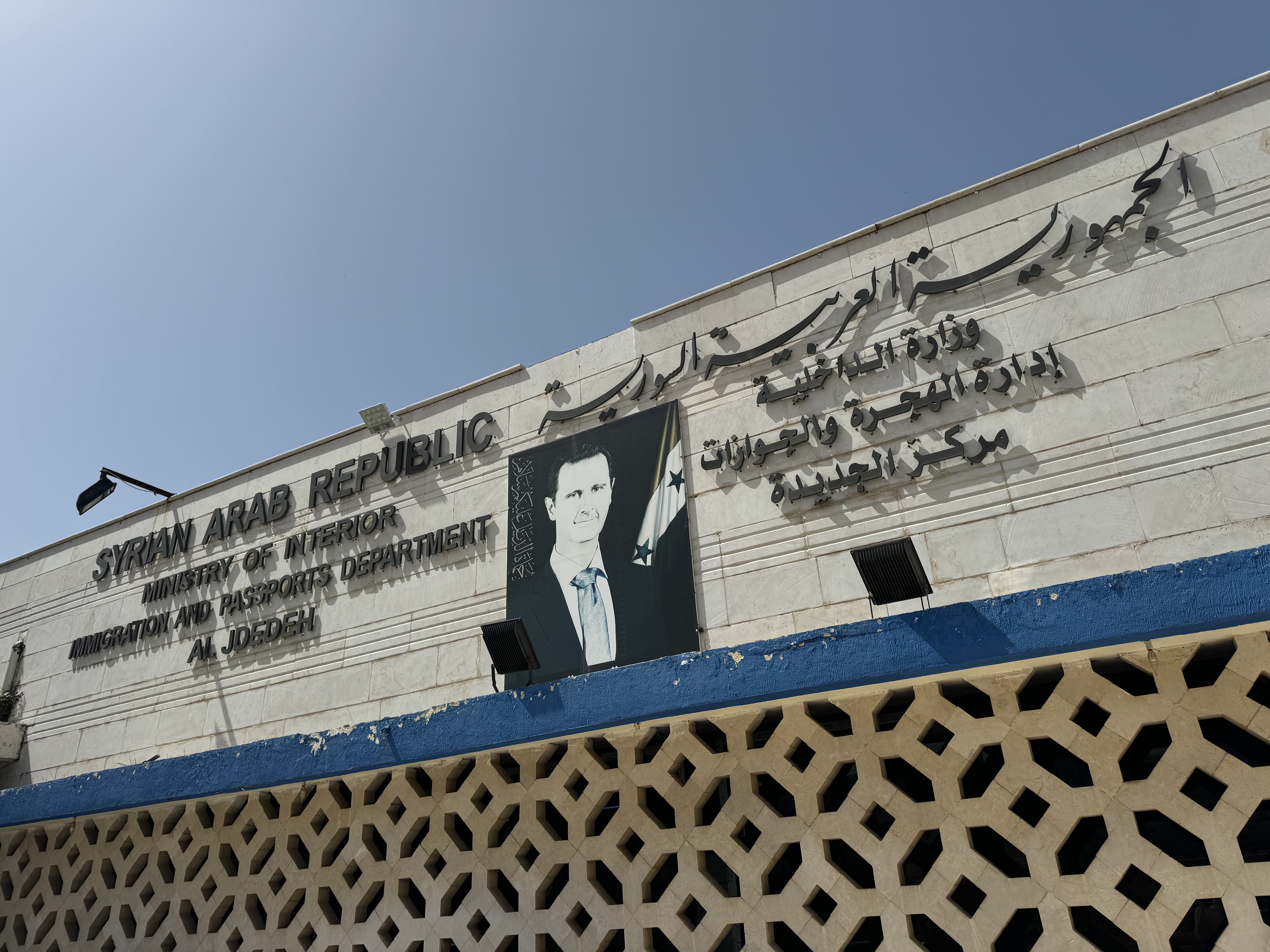
Departure day from Beirut! We got picked up early in 2 minivans from a central hotel which RRT recommended, changed somewhere in Beirut to a single minivan which then took us all the way to Damascus. The border was no problem at all, we just needed to pay the visas in USD cash (for UK passports it was $160, for US it was $200(!) and for EU passports it was $80), but these keep changing (increasing), and I am not sure what they cost now after the regime fell.
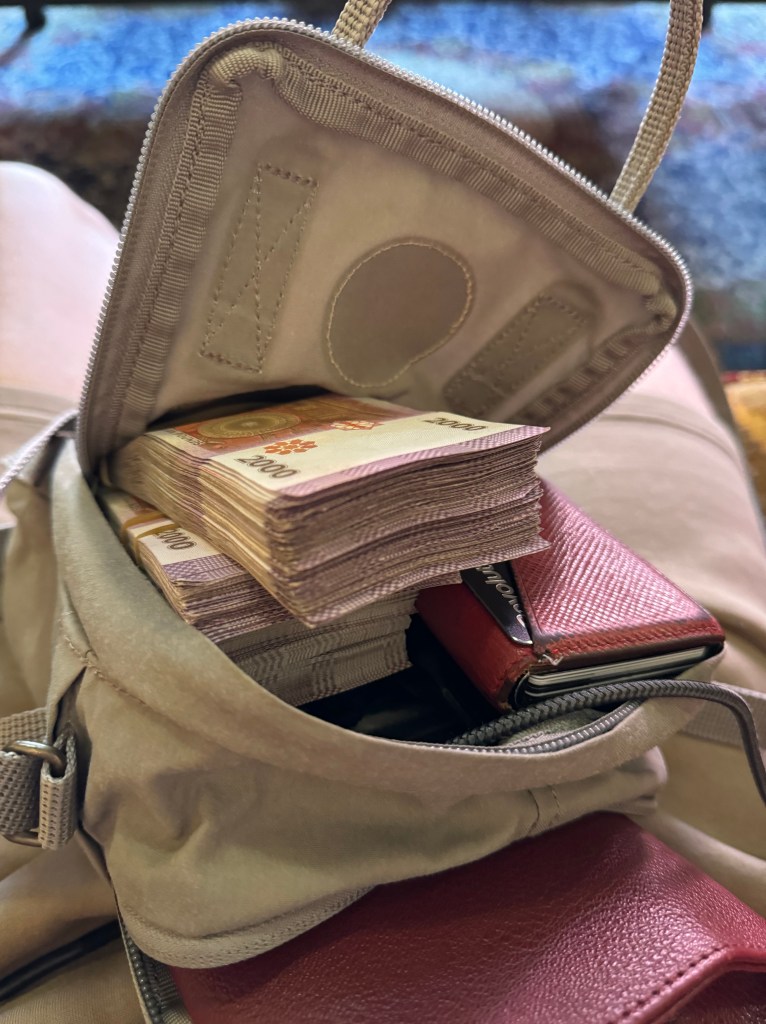
The van driver helped us through the border and it was quite friendly and busy with no issues. You can also exchange cash on the Lebanese side from random dudes with wads of Syrian pounds. The maximum denomination is a 5000 Syrian pound note but the US dollar exchange rate at the time was 13500 Syrian pounds to the dollar, and things can cost 100s of thousands if you go for a nice meal in the evenings so prepare to carry huge wads of cash!

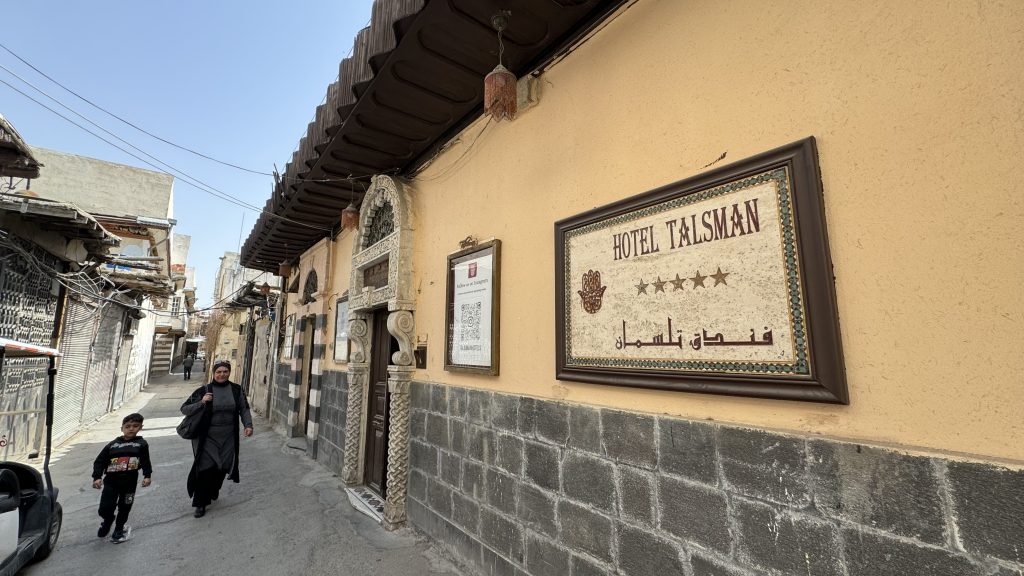
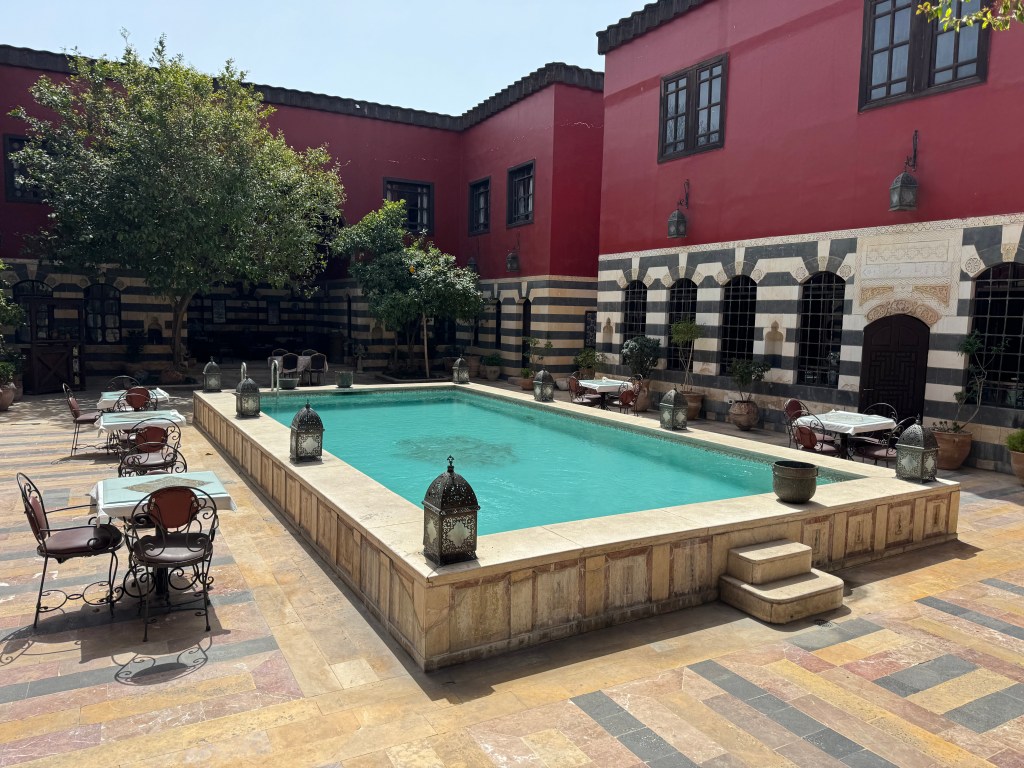
Damascus – dating back as far as 10,000BCE, it is one of the oldest continually inhabited cities in the world. It is such an amazing city with some of my favourite architecture, history, people, food and markets. On the tour we stayed in the Talsman Hotel right in the old town which was stunning, and features a great mixture of traditional styles and furniture with Portuguese/Spanish influences, the tour is worth it just to stay here!
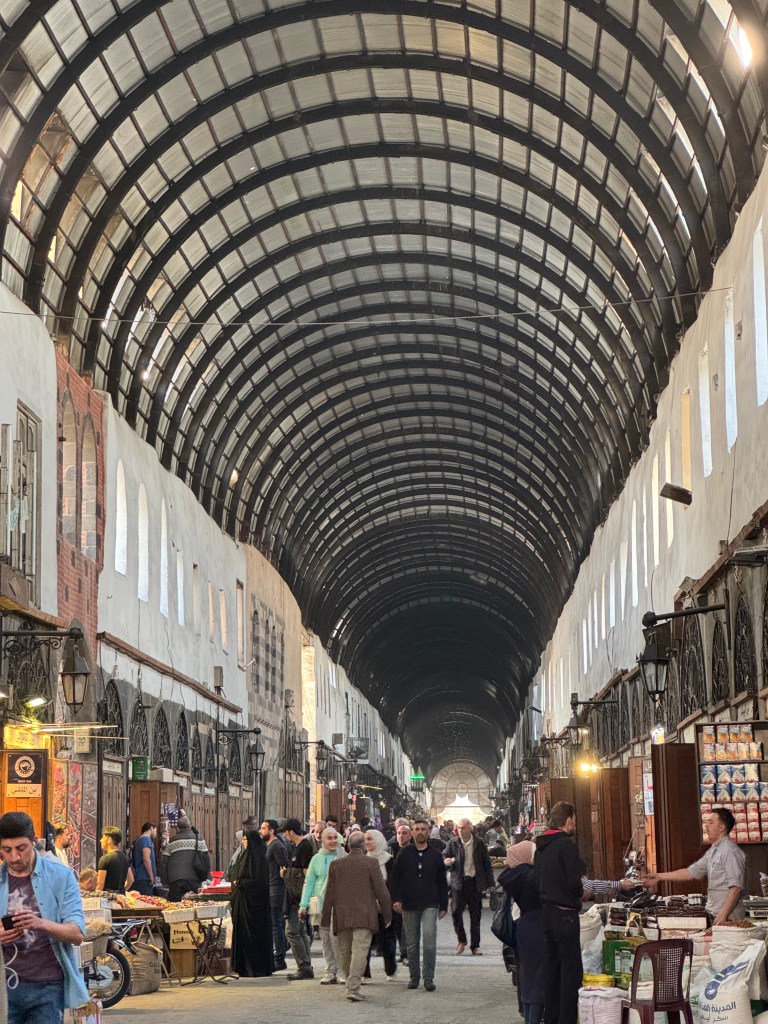
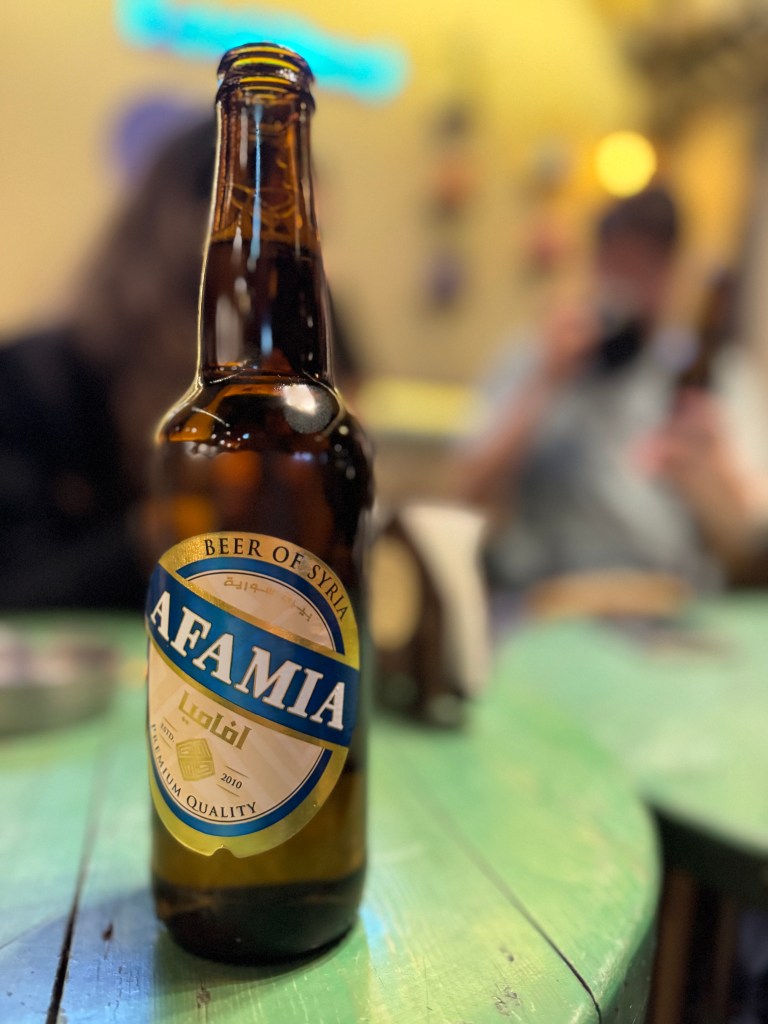
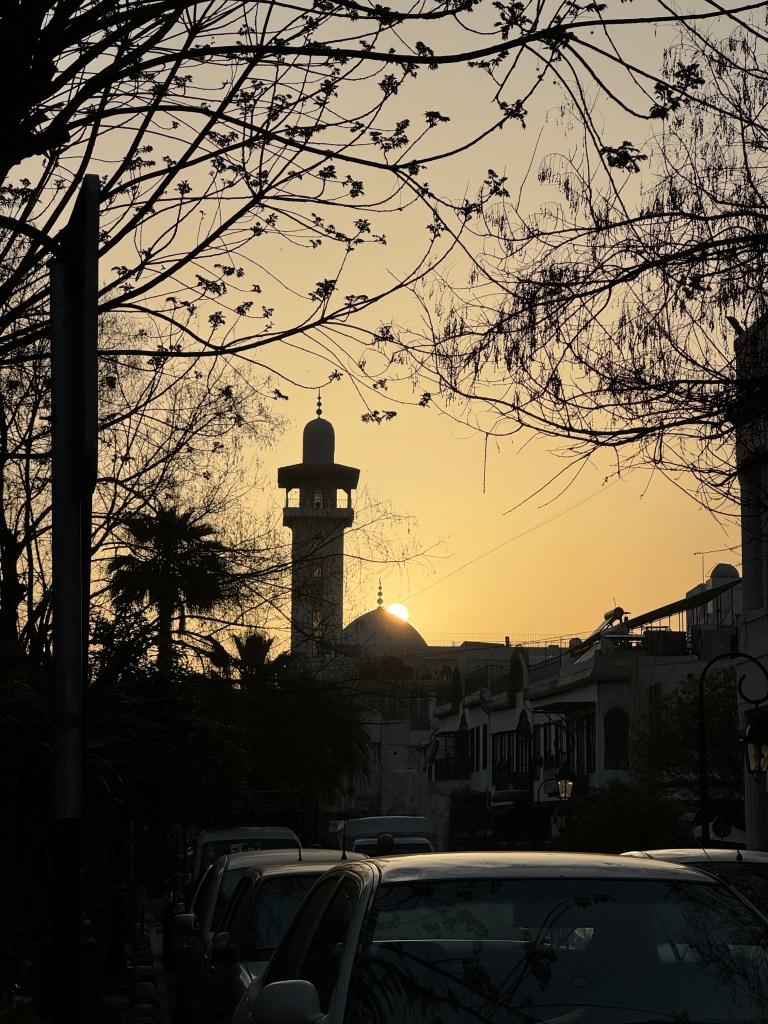
After settling in at the hotel, we first explored the Umayyad mosque which is very impressive, followed by probably the most famous market in Damascus, the Al-Hamidiyah Souq, with its dramatic high ceiling arch. Right behind this souq is the Roman Temple to Jupiter, with many hidden Roman ruins dotted all around the city. Our guide showed us endless heritage spots on the heritage trail of Damascus, including old houses, souqs, mosques and minarets, even finishing the day with a beer!
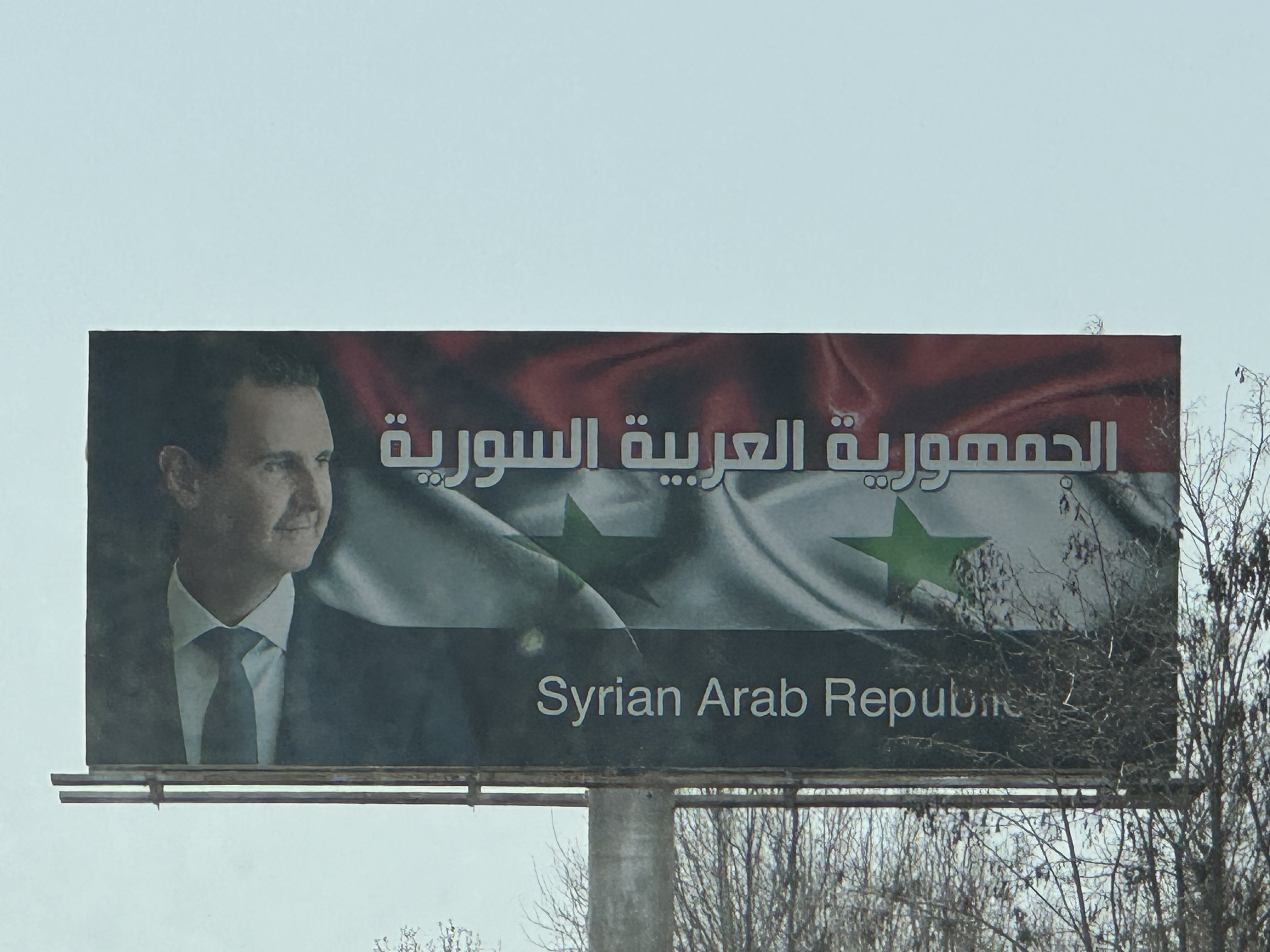
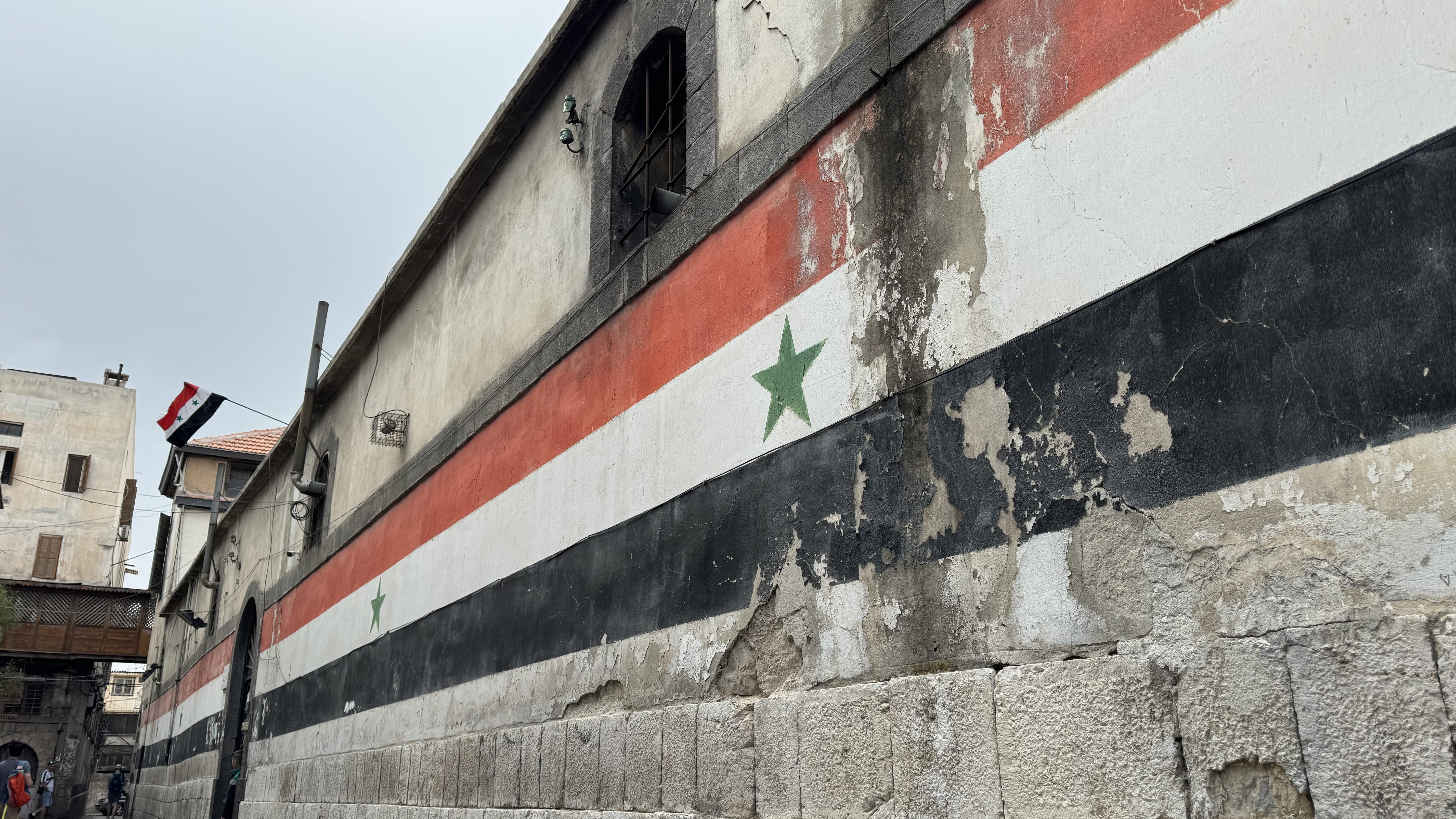
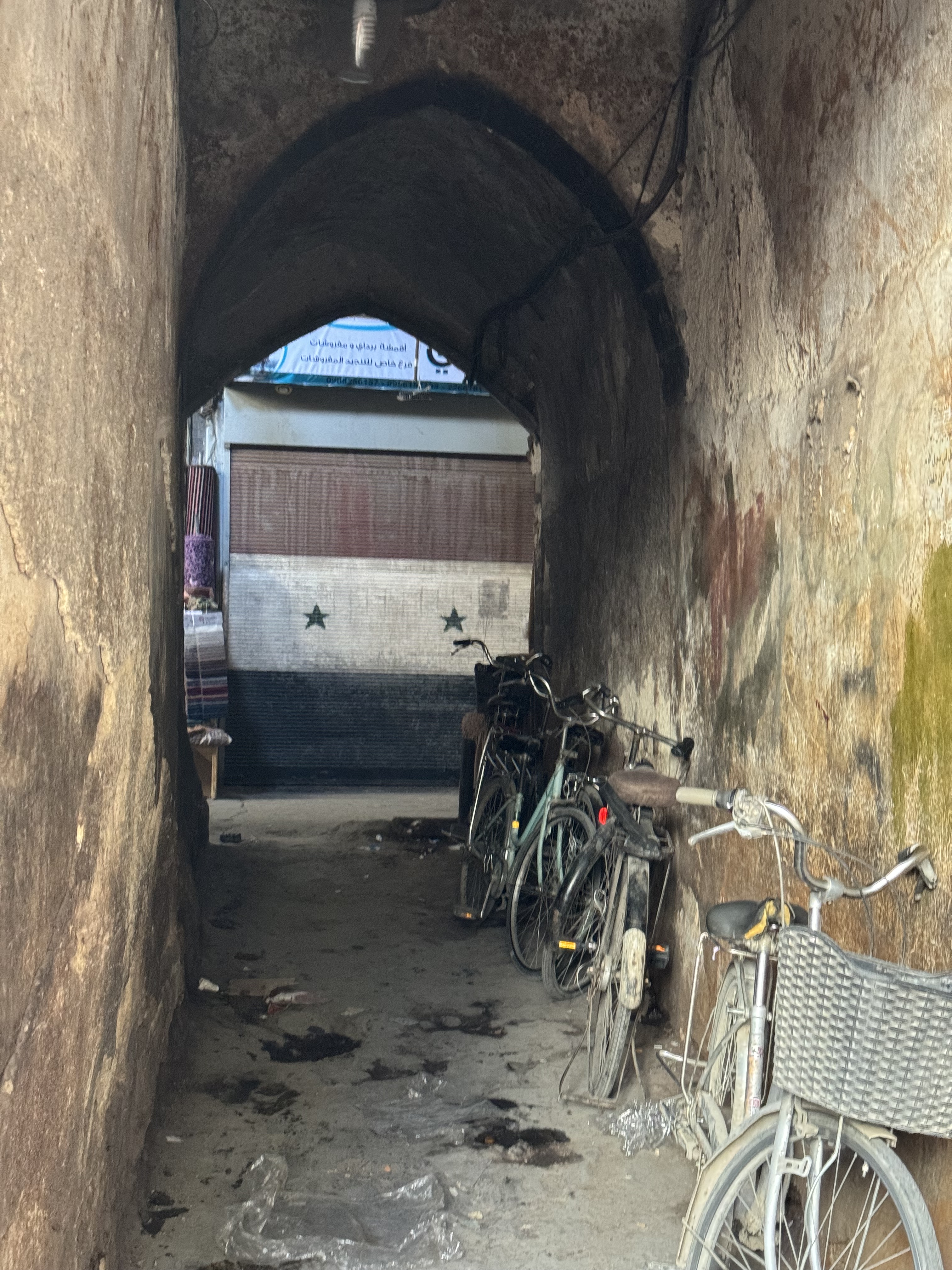
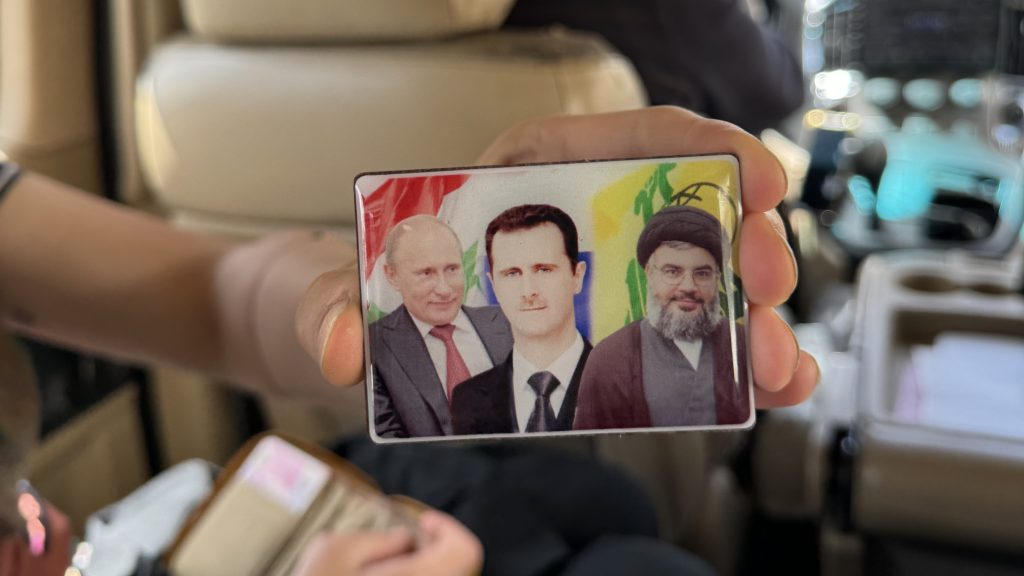
During our Damascus exploration we noticed the old Syrian flag absolutely everywhere, which apparently was painted (voluntarily and involuntarily) to show support for the regime. We were told this was mostly done during the civil war as a way of protecting yourself from the government, showing that you are on their side, despite the majority of people being against them. I assume that now the regime has fallen, most of these flags have been repainted with the new one.
Day 2 / Damascus, Maaloula, Homs, Hama & Aleppo
Breakfast in the hotel was also really nice in the lovely courtyard by the pool, with the table full of breads, cheeses, hummus, eggs and other Middle Eastern breakfast delights.
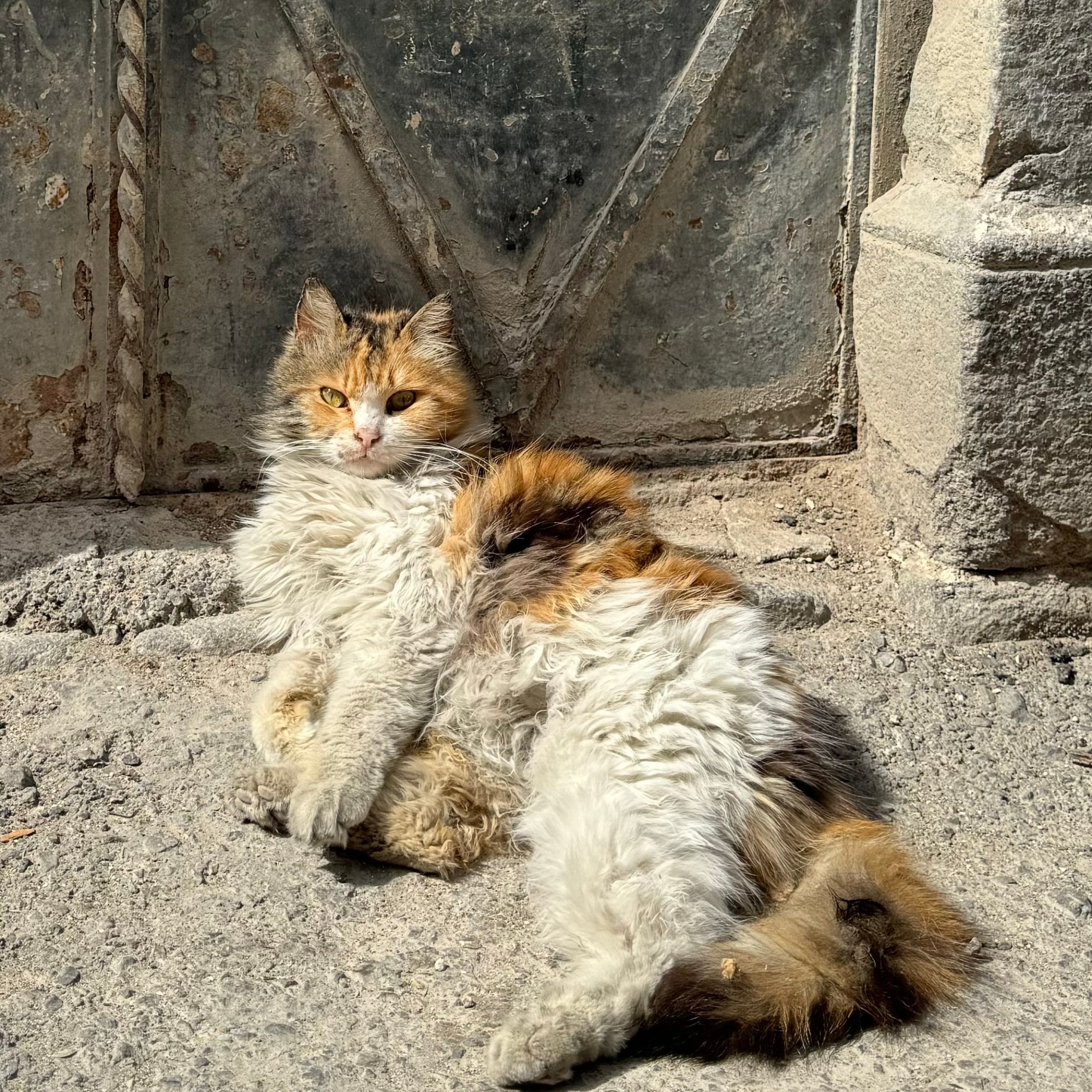
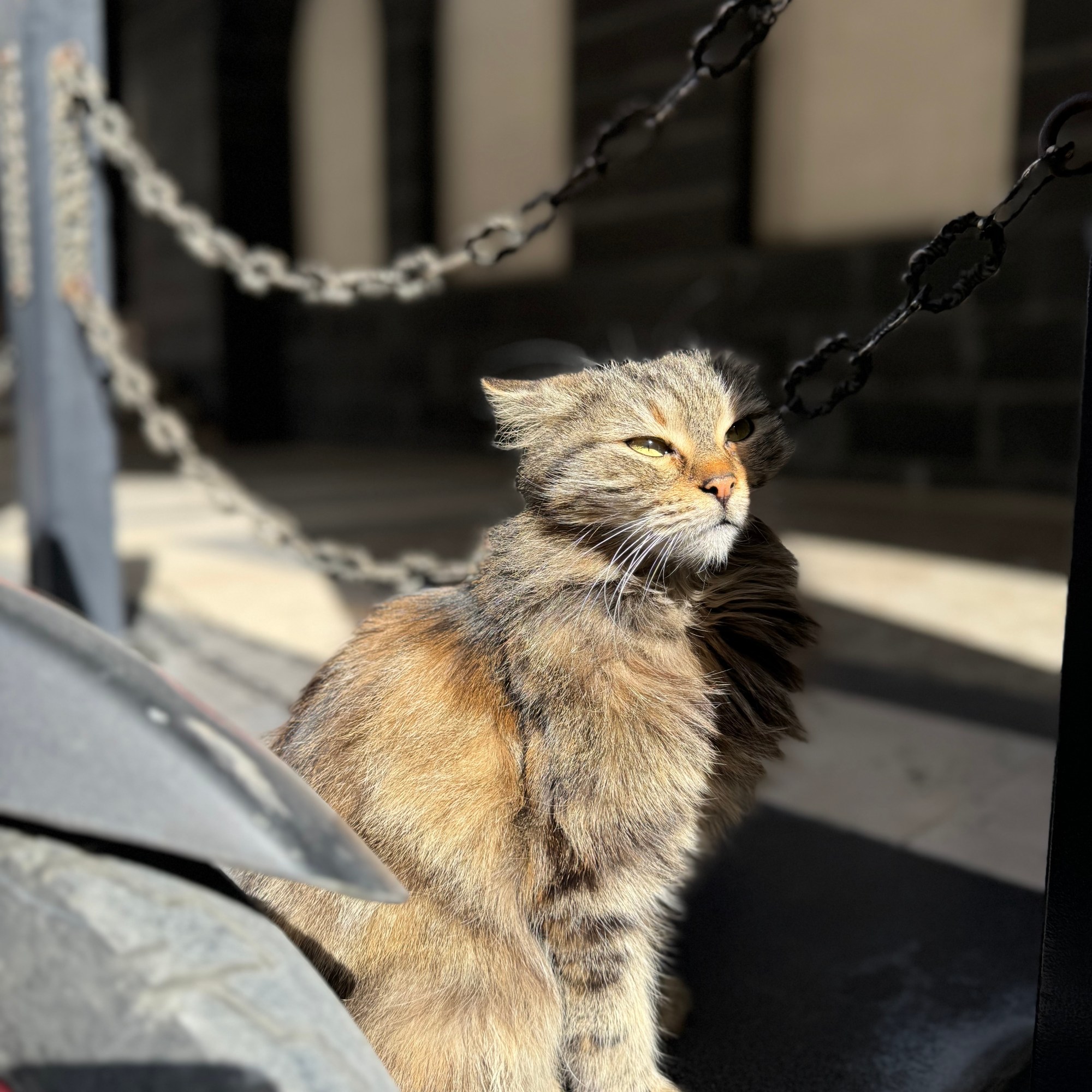
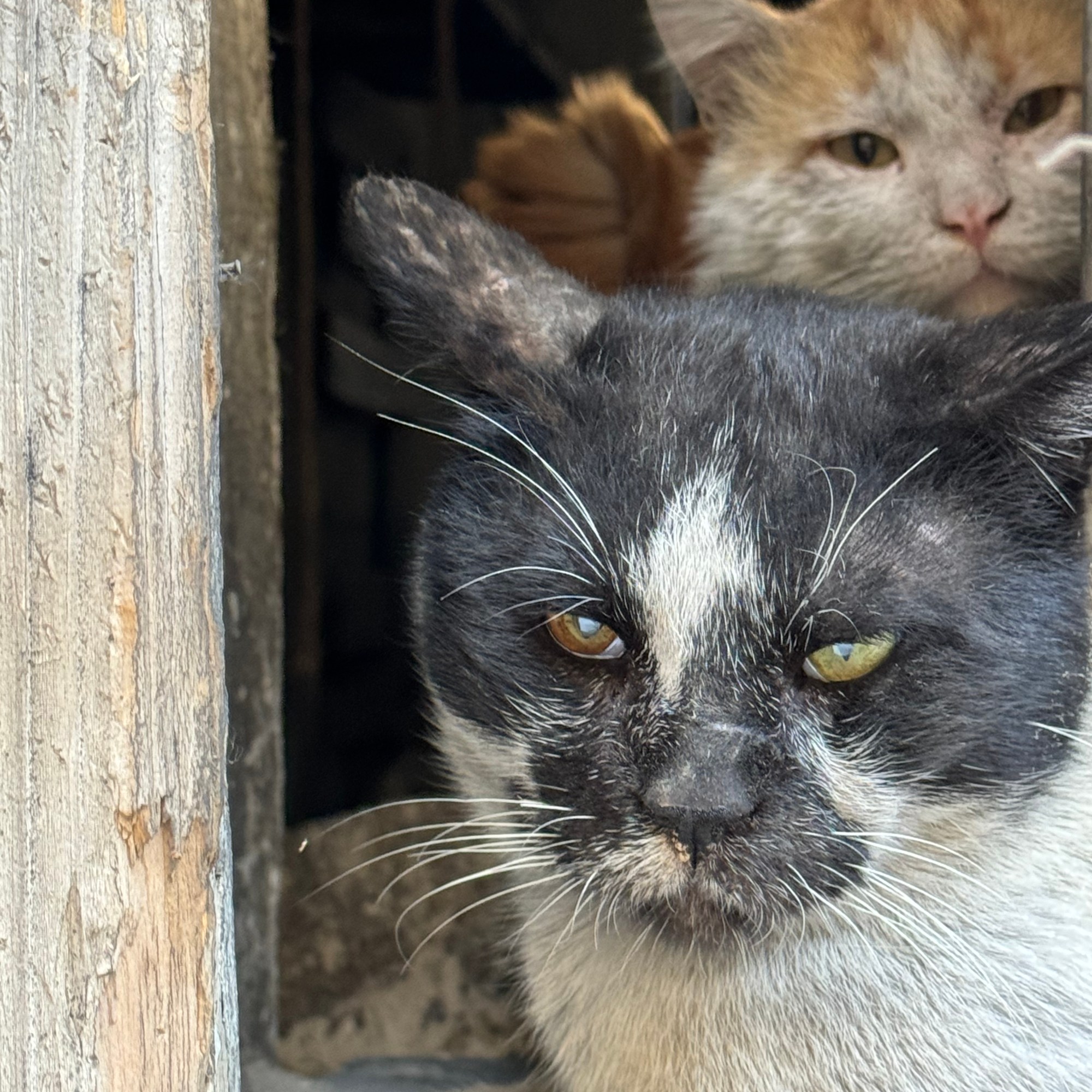
For day 2 in Syria we went to the National Museum of Damascus and explored the Al Azem Palace. The museum really is amazing, but only certain sections were open due to security. There is a really nice and peaceful museum garden too which I spent a lot of time just wondering around. As with Turkey, I noticed many cats around the city! Which is great as I love cats, but also not great seeing the state of them and the sadness in their eyes. I think they’ve had a tougher life than the Istanbul cats that’s for sure, but they are beautiful.
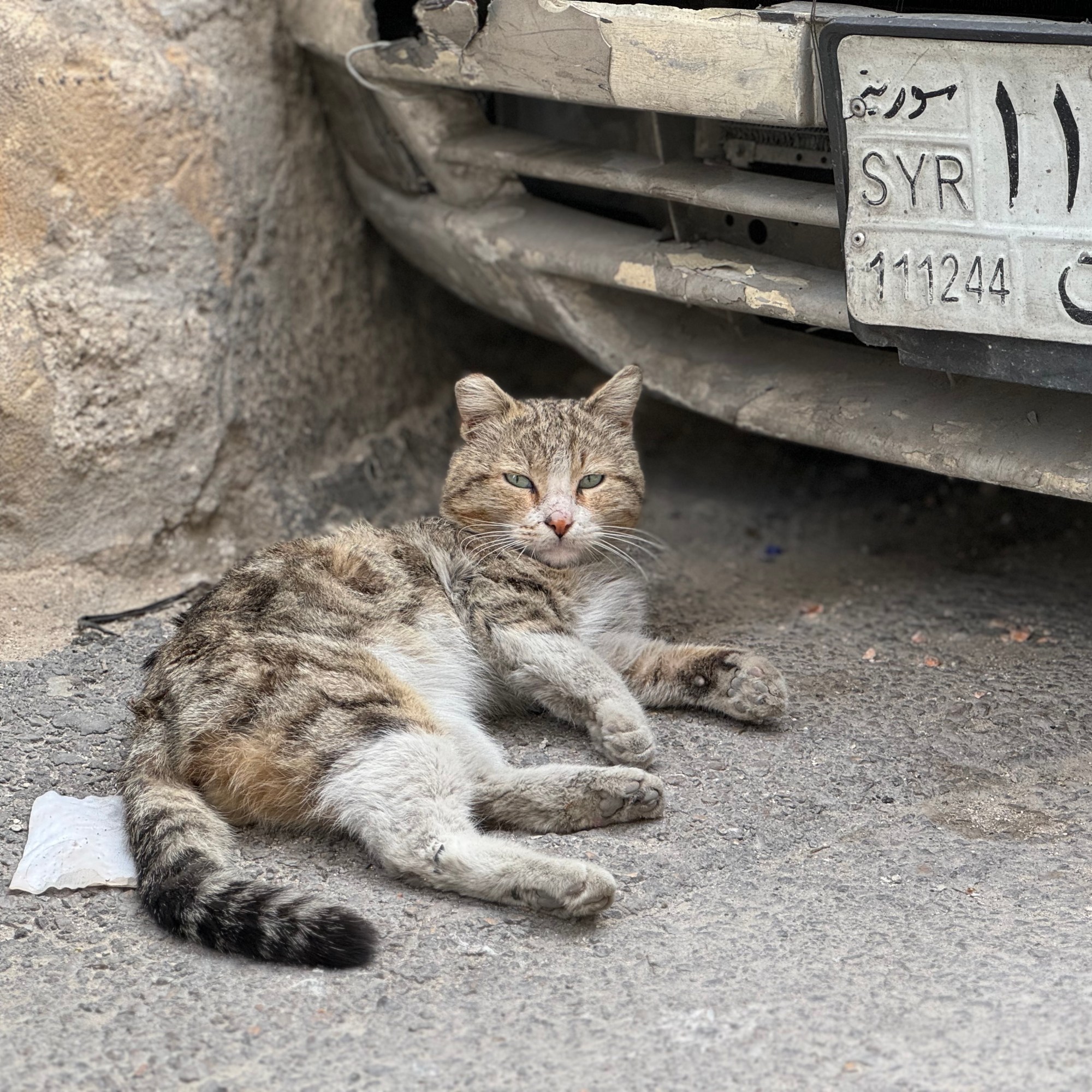
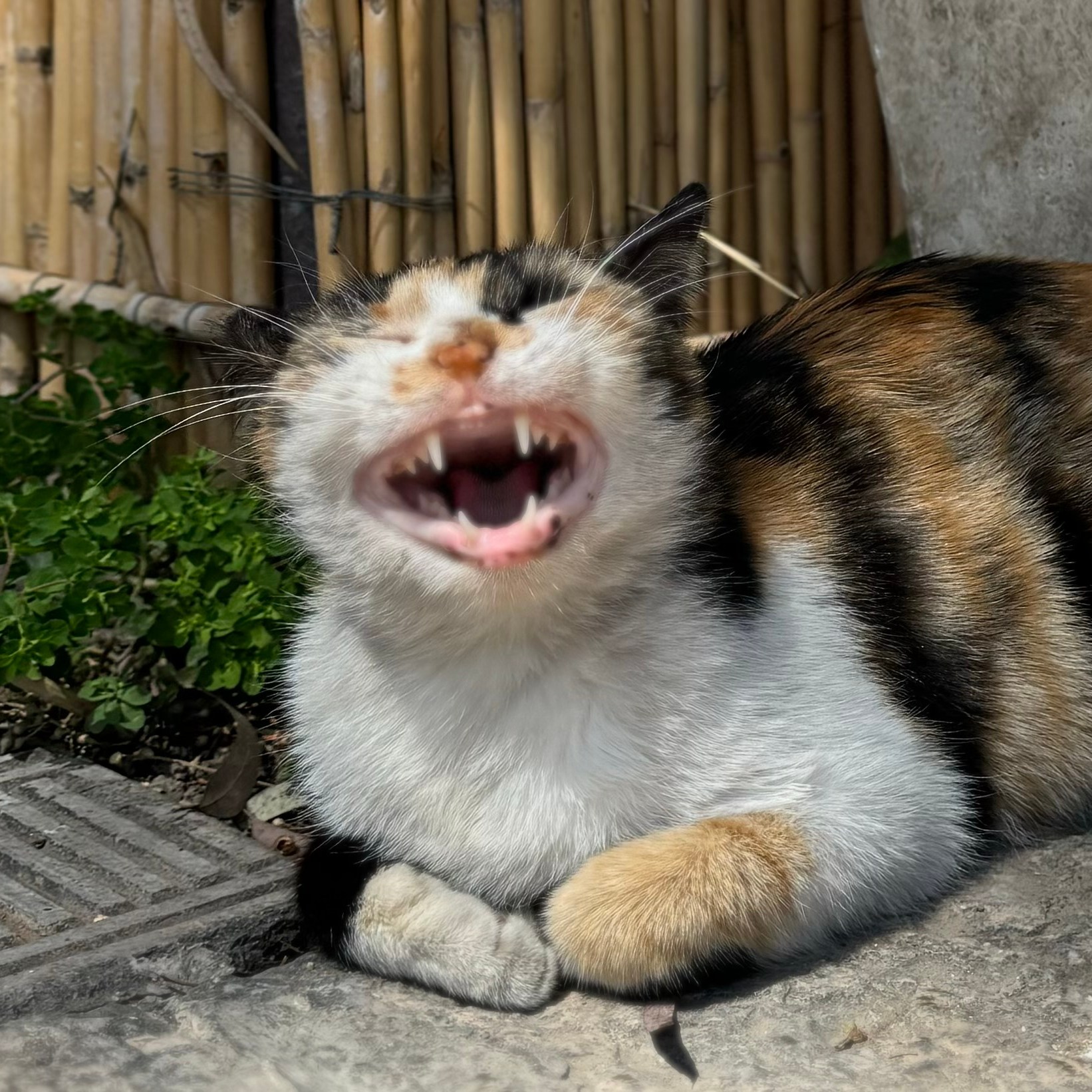
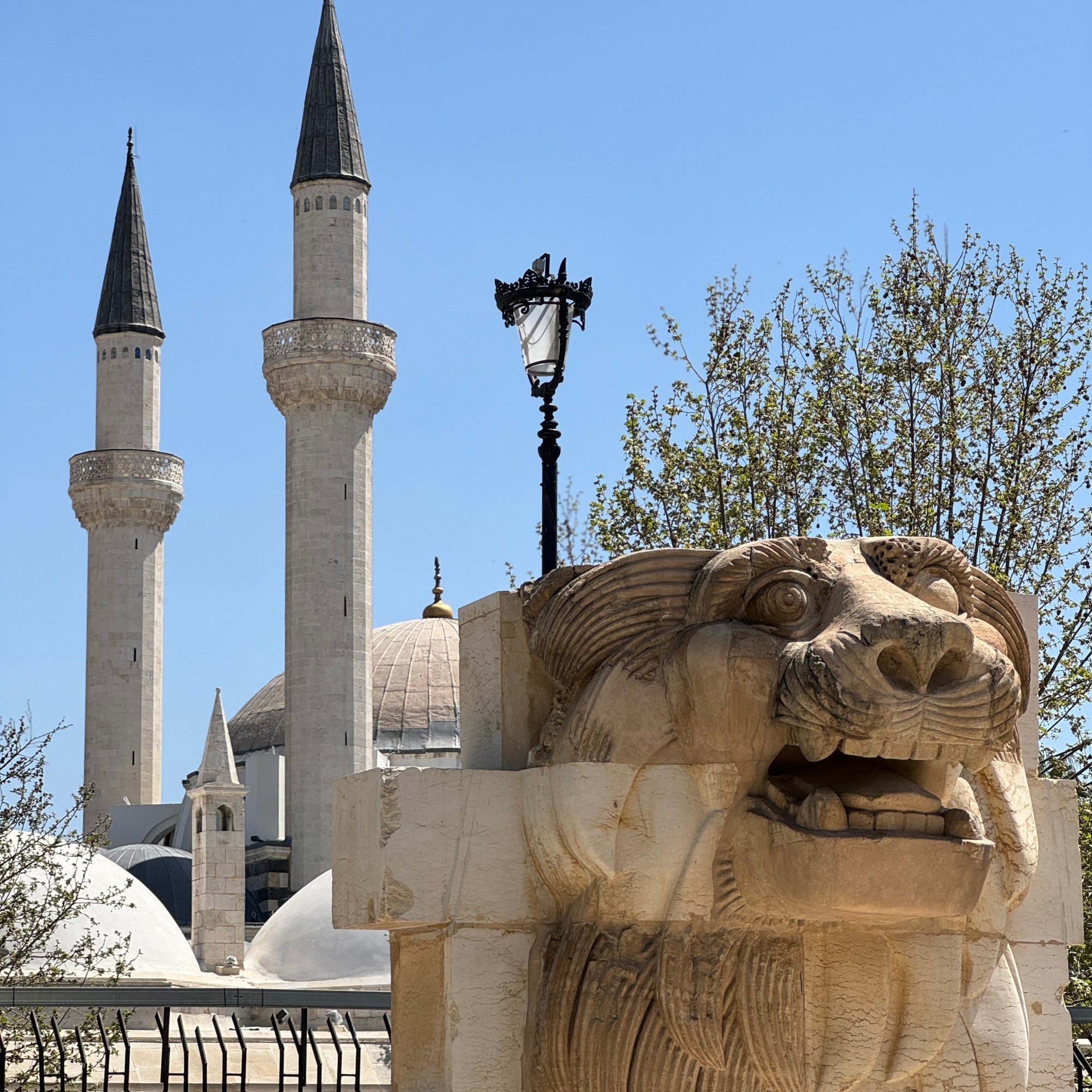
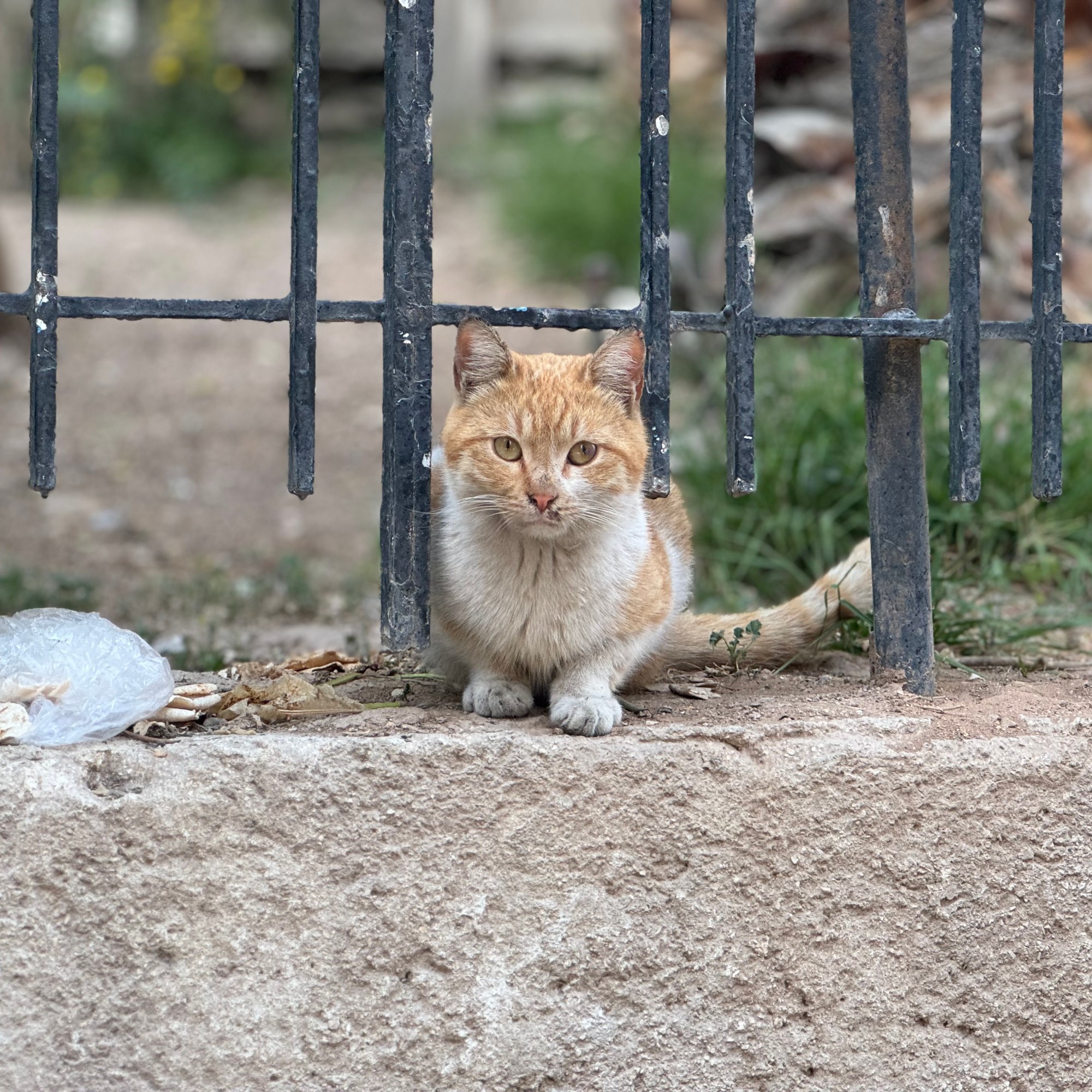
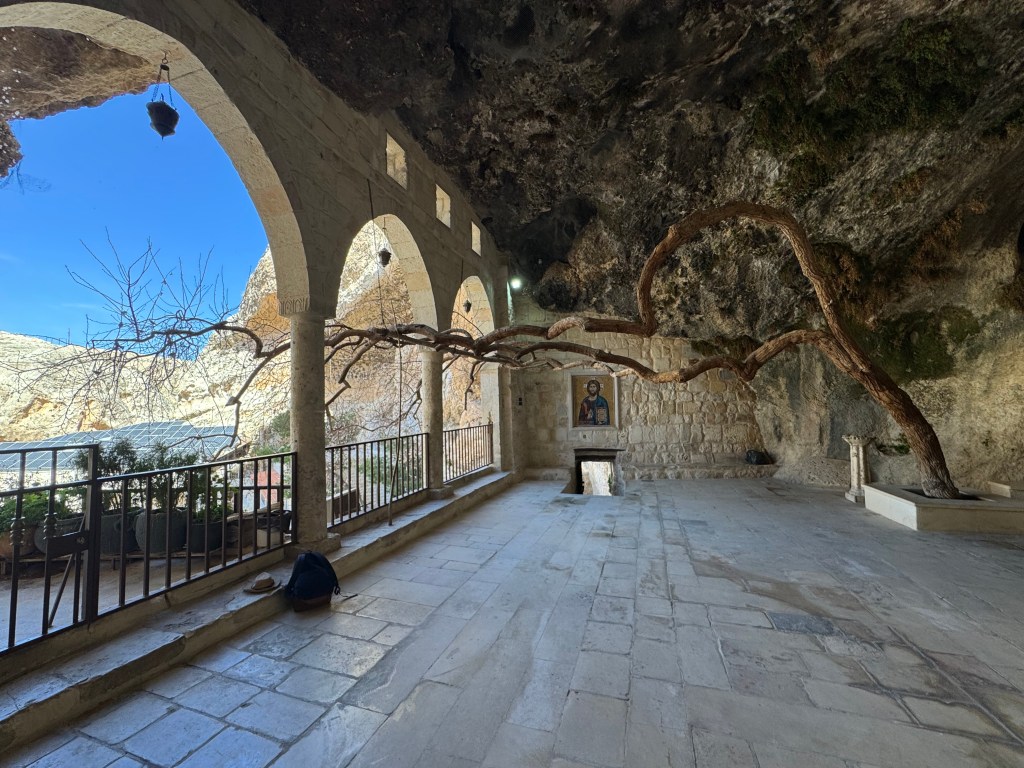
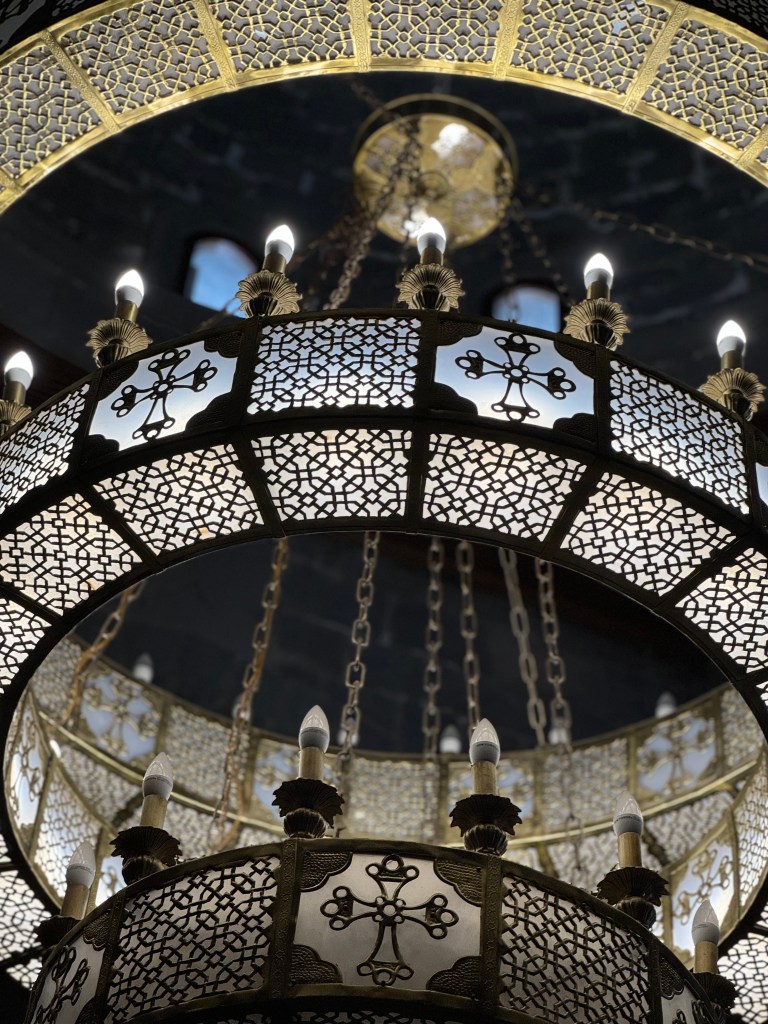
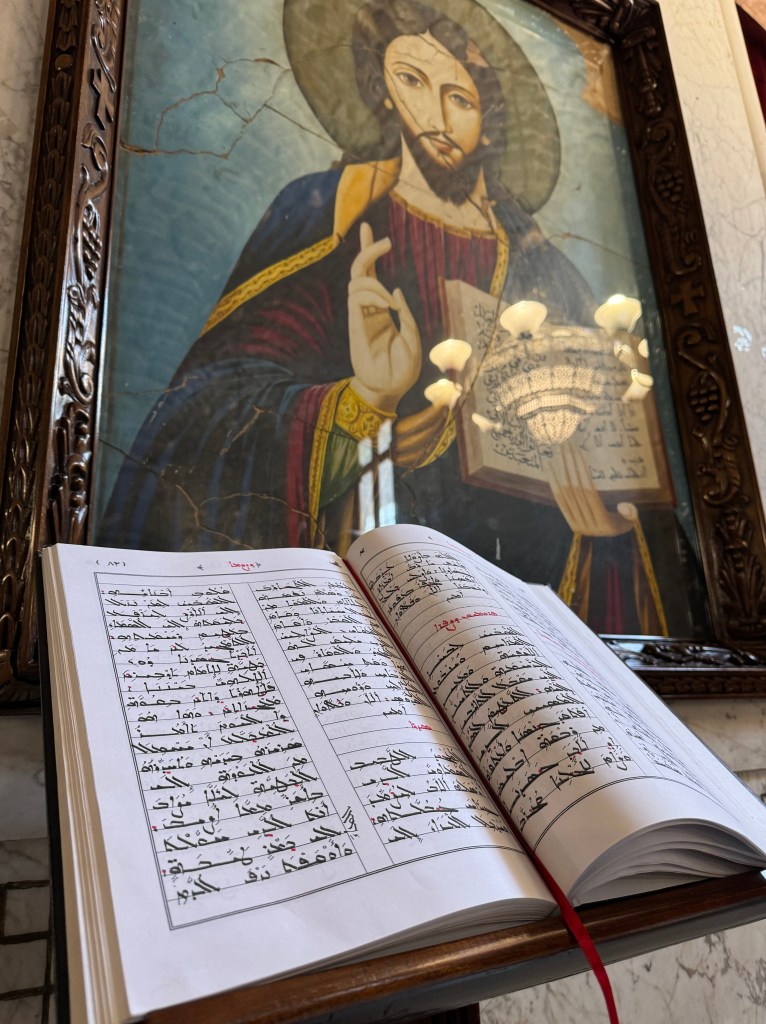
We then hit the road to Maaloula, an Armenian village which still speaks the ancient Aramaic language, which we event got to hear! This little place was a great stop, and I had never heard of it before. We started at a nice viewpoint of the town by a hotel and church which were destroyed by Al-Qaida apparently, then walked through a gorge to the beautiful centre with its lovely trees, rocks and bright beige stone buildings. Hearing Aramaic alongside Arabic was really interesting, and you can really hear where Arabic descended from.

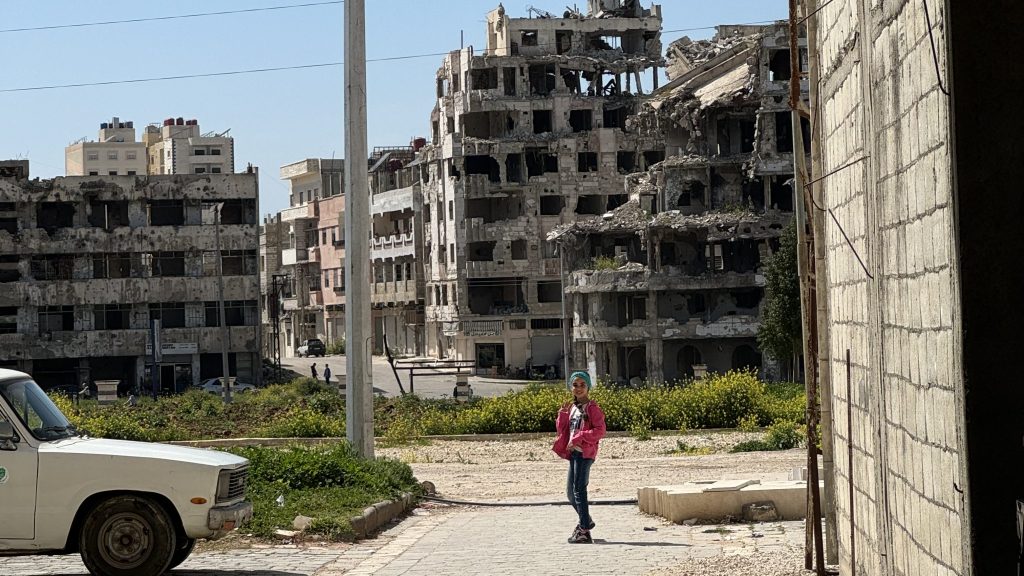
We left Maaloula for Homs, which was a quick stop where we got lunch and we all agreed it was the best shawarma we had in Syria and probably ever! It was incredible to see the modern bustling side to the city, with the centre filled with hopeful and eager students, and not just the destruction that occurred in recent years. The locals are truly amazing and were all greeting and thanking us for being there.

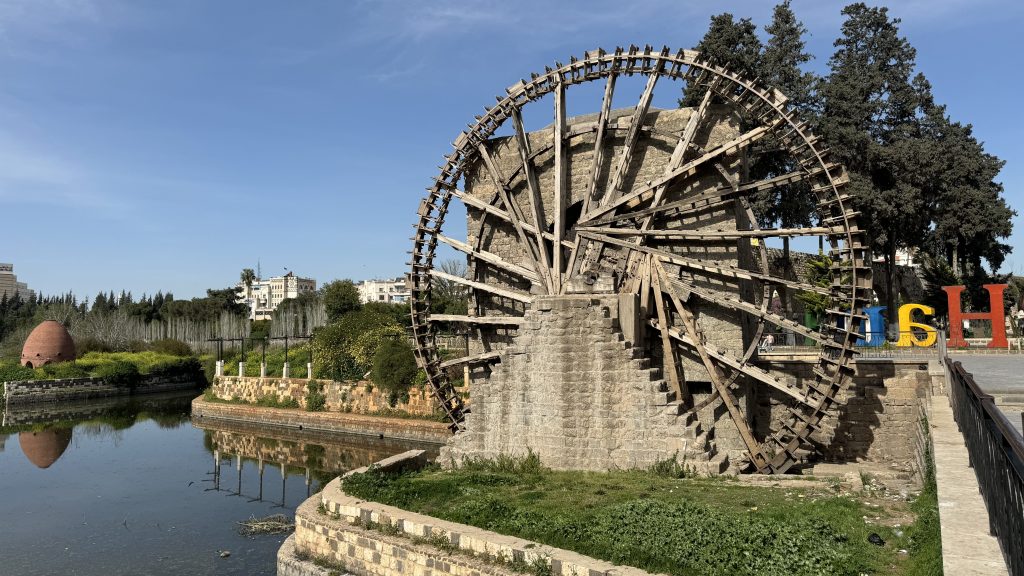
We then set off for Hama which is the water wheel city! Unfortunately for us none of the wheels, or norias, were turning at the time we were there but usually they have at least one running for touristic reasons apparently. They are still impressive to see though, but I can’t imagine how great it would be if all of these norias were pumping water all around you, with water flowing along all the various aqueducts in the city, it could be incredible. some of the little stone streets are really nice too and reminded me of some southern European towns like in Croatia.
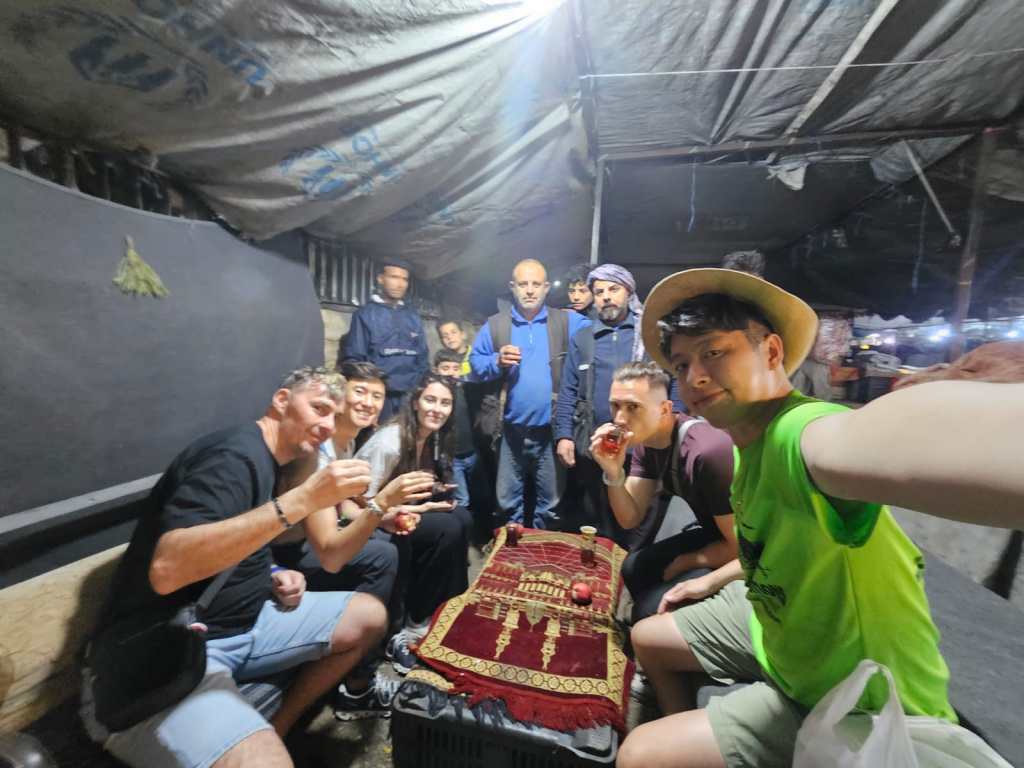
We then continued all the way to Aleppo for the evening. We arrived at night and went roaming on our own into the late night markets and what an experience we had! We suddenly became the centre of attention in the whole food market! Everyone was trying to talk English to us and we got free tea and apples and dates etc! They invited us to a table like guests of honour and many selfies were taken by everyone that evening.
Day 3 / Aleppo
The next morning we explored the city, starting with the Al-Madina old souq which was mostly destroyed by the recent war. This was the largest covered souq in the world, and also the oldest, and now it is mostly open-air. You can see the archways just stop, proceeded by rubble, with any of the shops that are still under the arches destroyed and empty. There are lots of construction works going on to rebuild the souq though, with some parts already finished and looking extremely nice indeed!
That night we also joined an event in the souq which involved local dancing and music in front of a curious crowd of locals, definitely quite an experience!
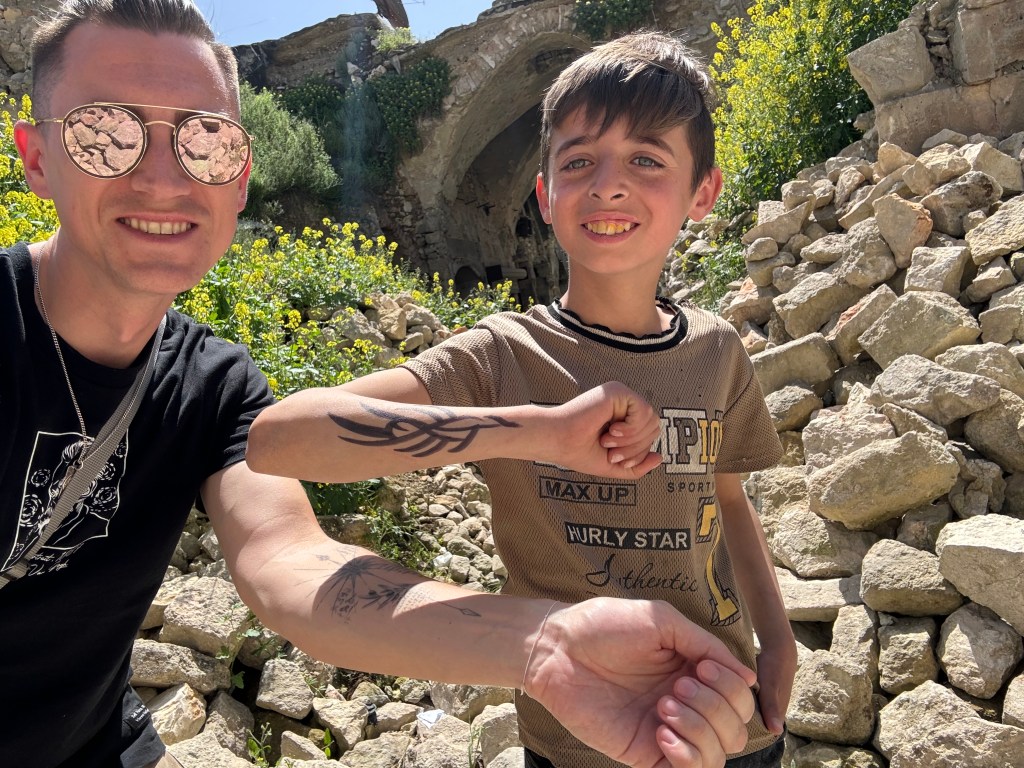

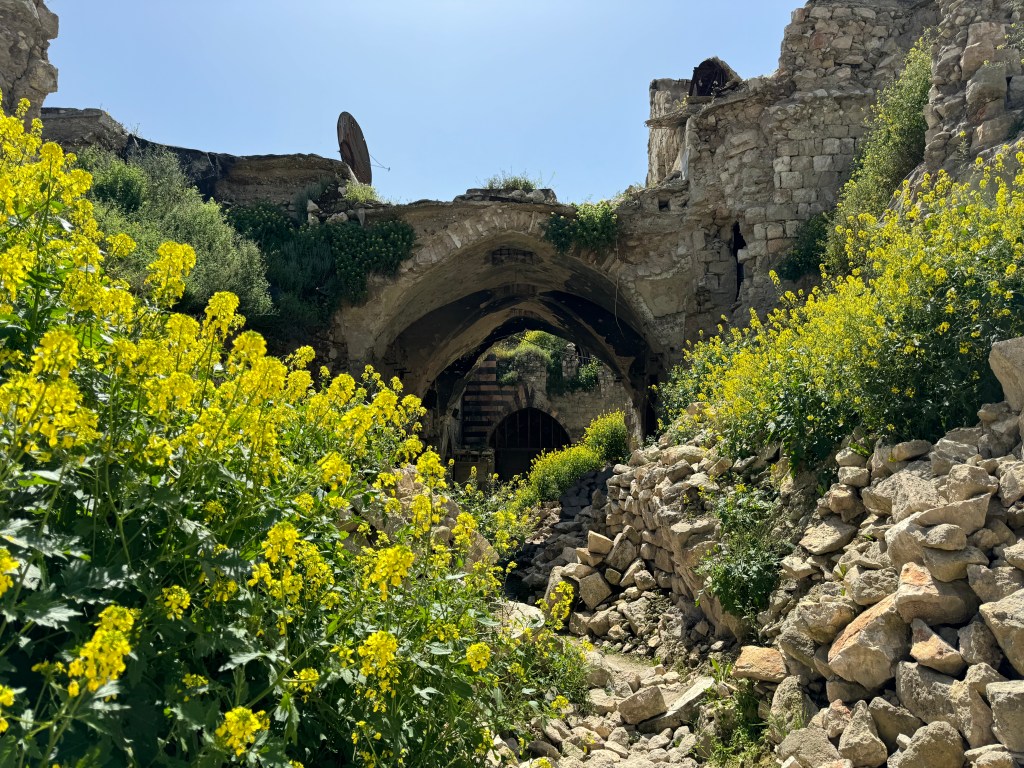

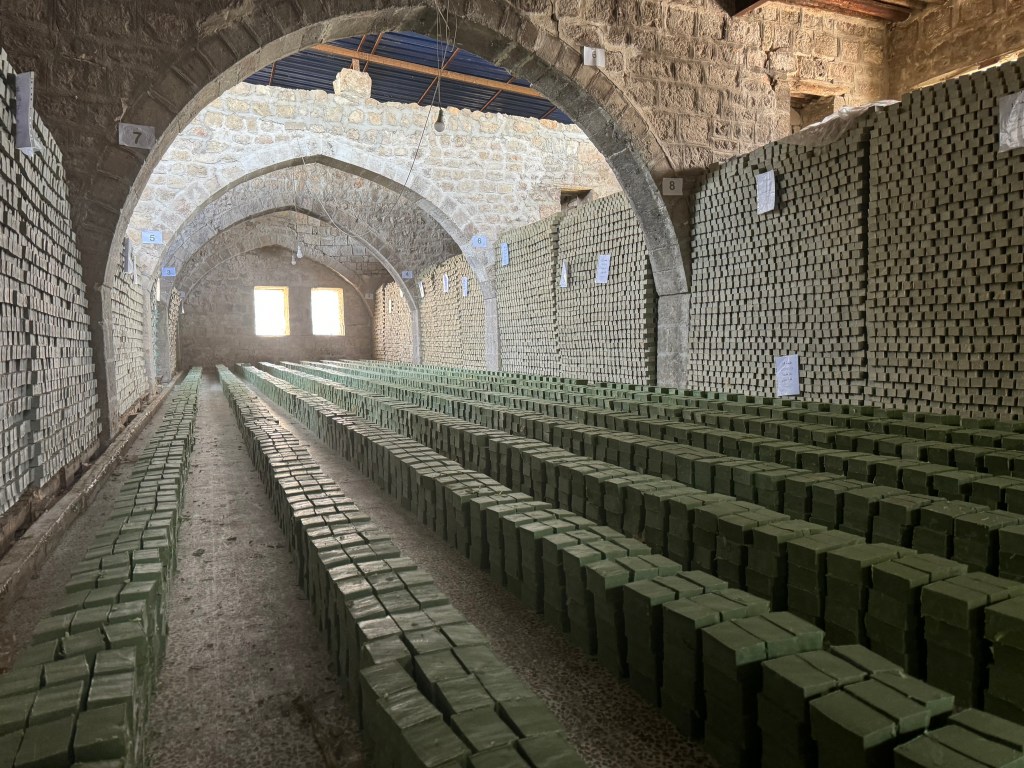
After exploring the souq we went to see something just as famous in Aleppo, the soap! One of the few soap factories remaining in the Aleppo old town is the Jebeili Soap Factory, and it’s really cool to see, and smell. You get to see the whole process of soap making, with the impressive lines of soap bars stacked up at all different stages of drying. There is a nice shop there too, and they also have a good website, so of course we couldn’t resist stocking up on some lovely Aleppo soap! It is also a family run business and they were extremely friendly, so it felt nice to help.
Day 4 / Aleppo & Krak de Chevaliers
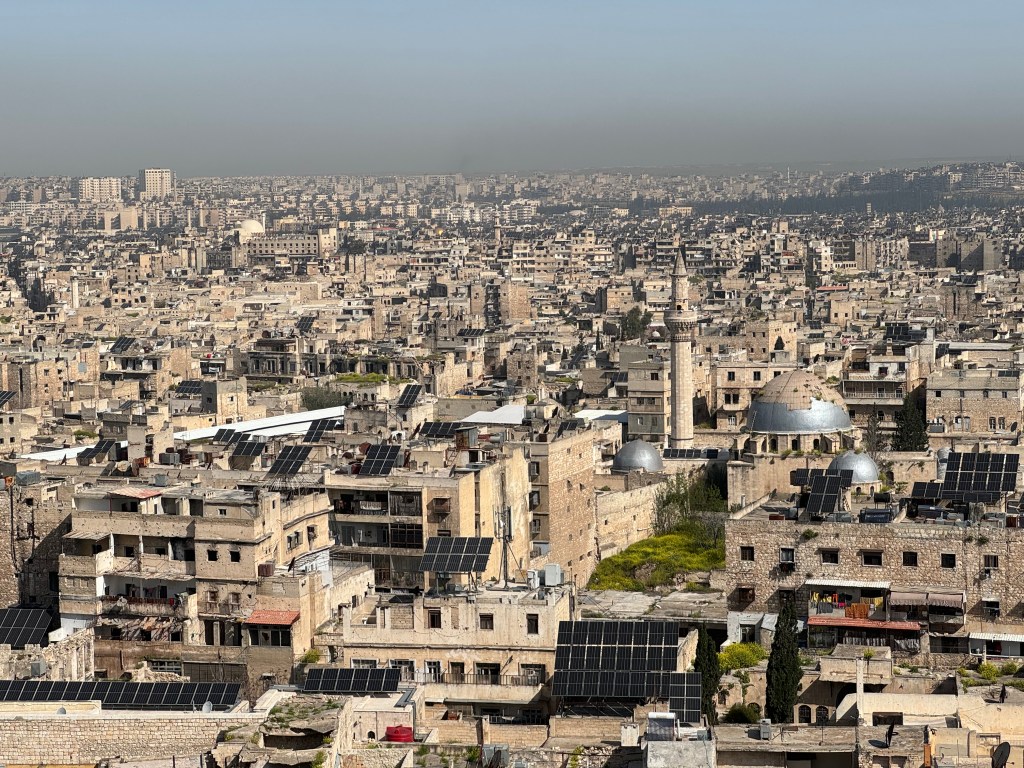
We continued our tour of Aleppo with the Citadel which is really cool to explore, and get the best views of the city from the top, and there’s some proper nice cafes outside the front entrance to the citadel. This was followed by a visit to the Aleppo National Museum, another brilliant museum, but again with areas shut for security reasons, luckily still very much worth the visit.
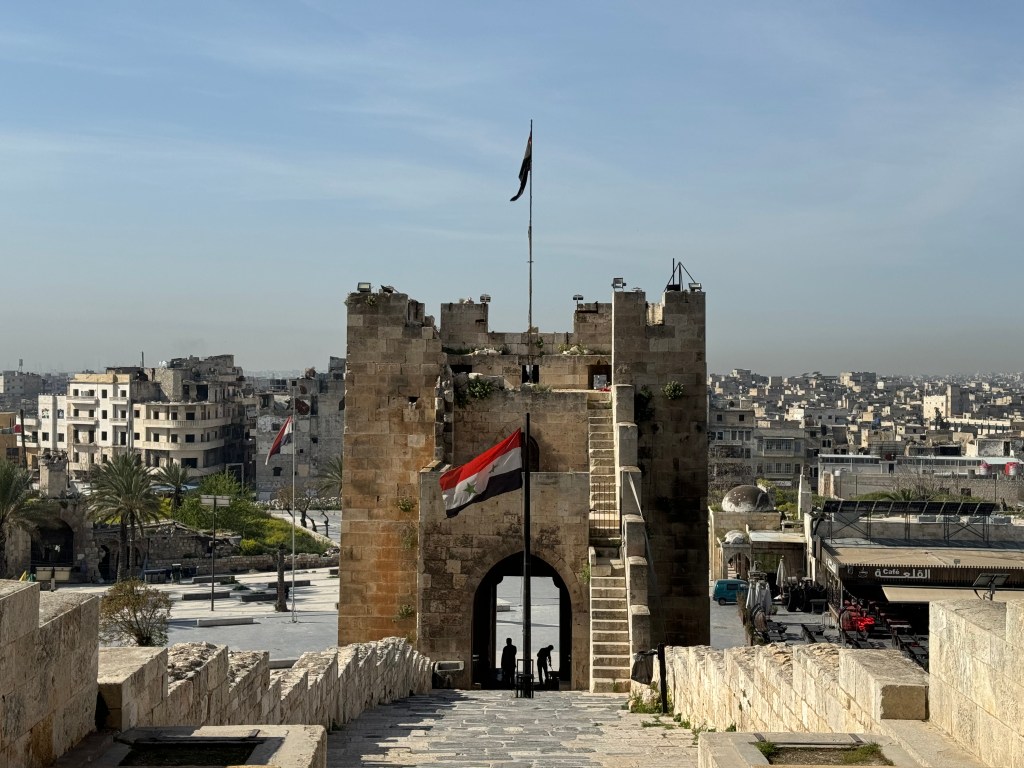
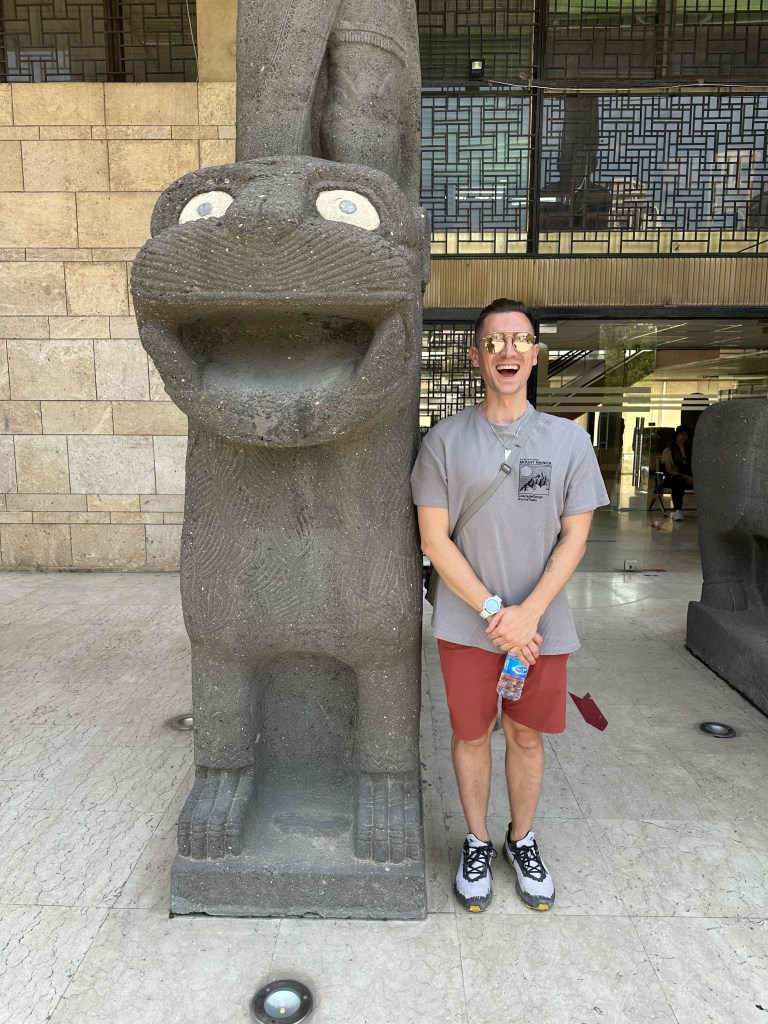
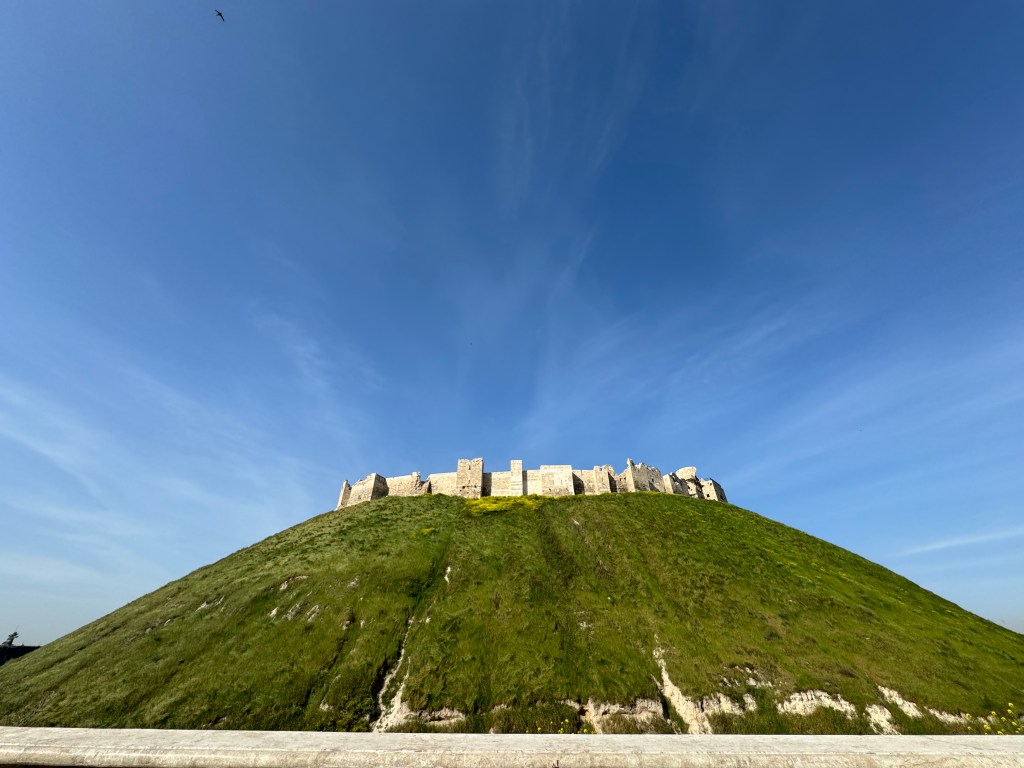
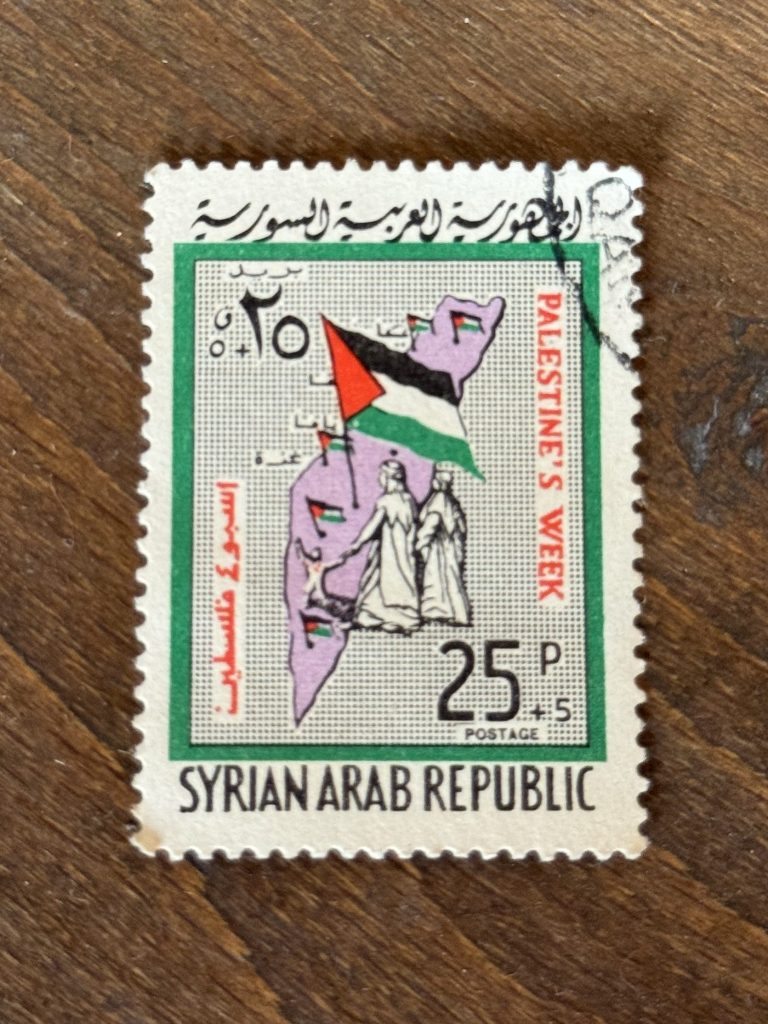
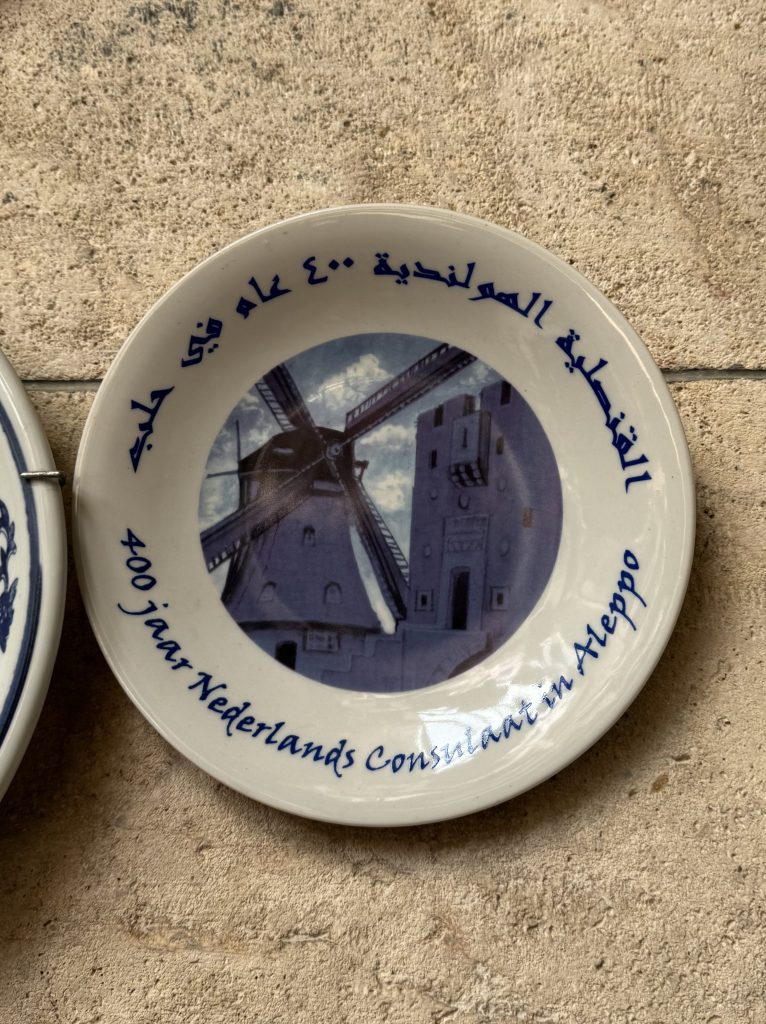
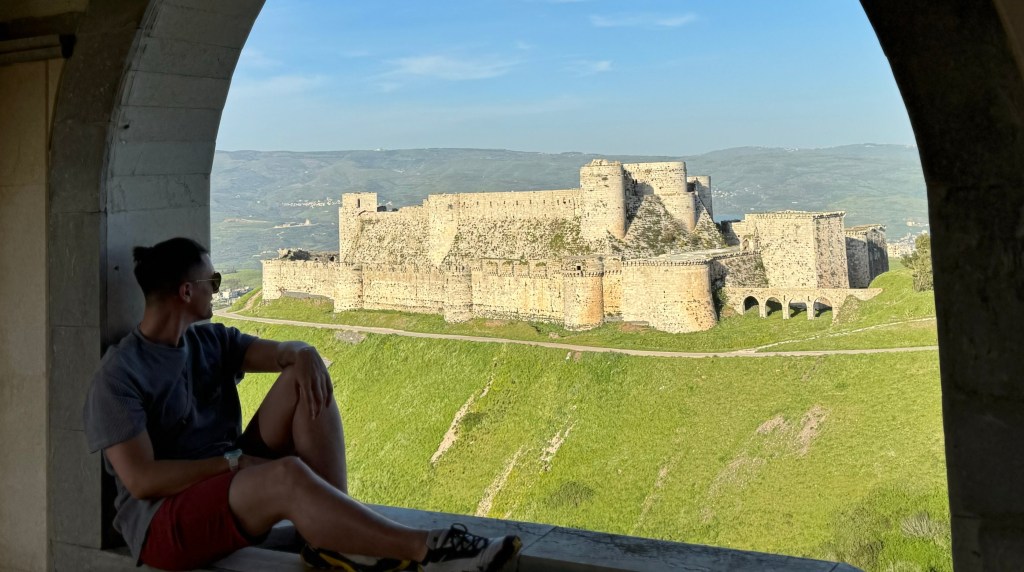
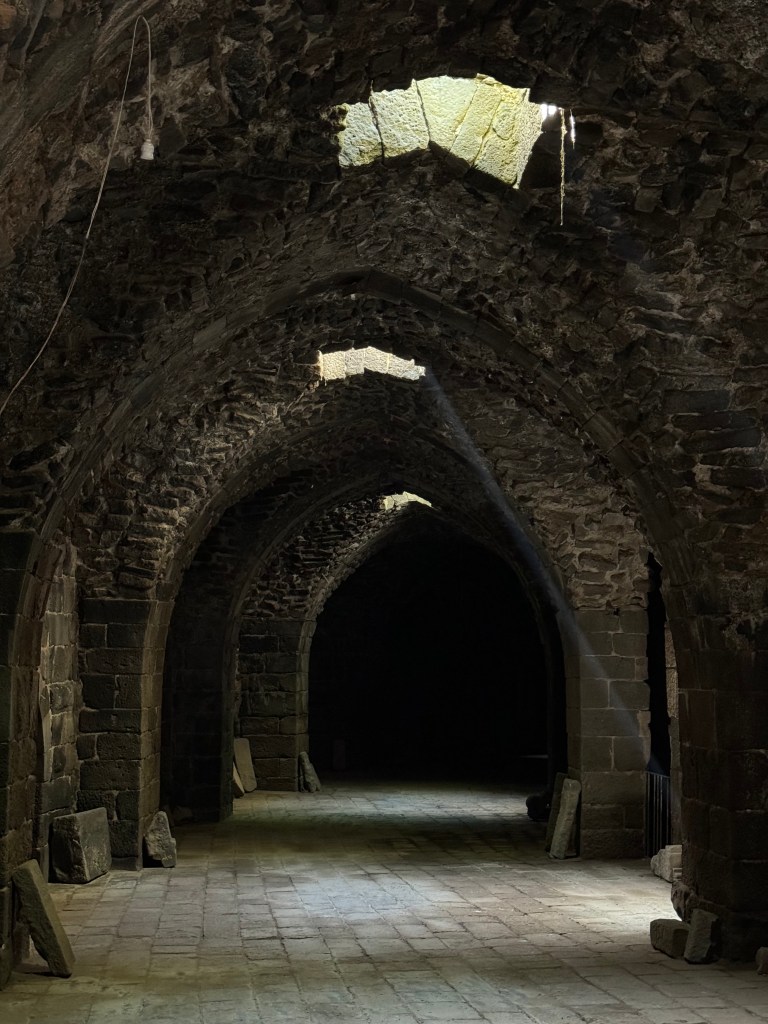
Time to leave Aleppo and make our way to Krak de Chevaliers, “Castle of the Knights“, an 11th century medieval castle with quite the history, and is truly spectacular inside and outside. The castle was first built by the Mirdasids of the Mirdasid dynasty until the crusades, when the Knights Hospitaller took over and added the outer wall, making it look proper medieval. This place is a must-see in Syria, where we got a tour of the inside, got to see amazing views from the top, and then went to a perfect viewpoint of the castle! We then stayed in the small town nearby which also had a great view of the castle, which is always nice.
Day 5 / Palmyra & Damascus
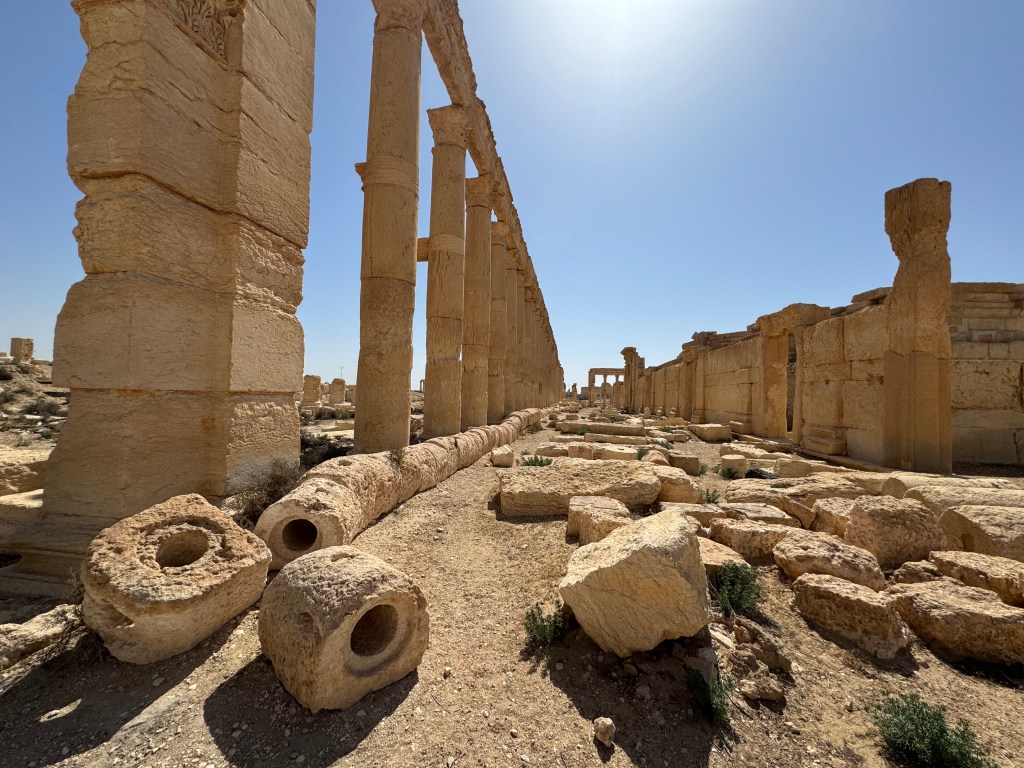
The final full day in Syria we drove all the way to Palmyra, which, along with Krak, was what I was looking forward to the most on this trip. It did not disappoint at all, and there were some incredibly well preserved things here, with a great backdrop of the eastern Syrian landscape.
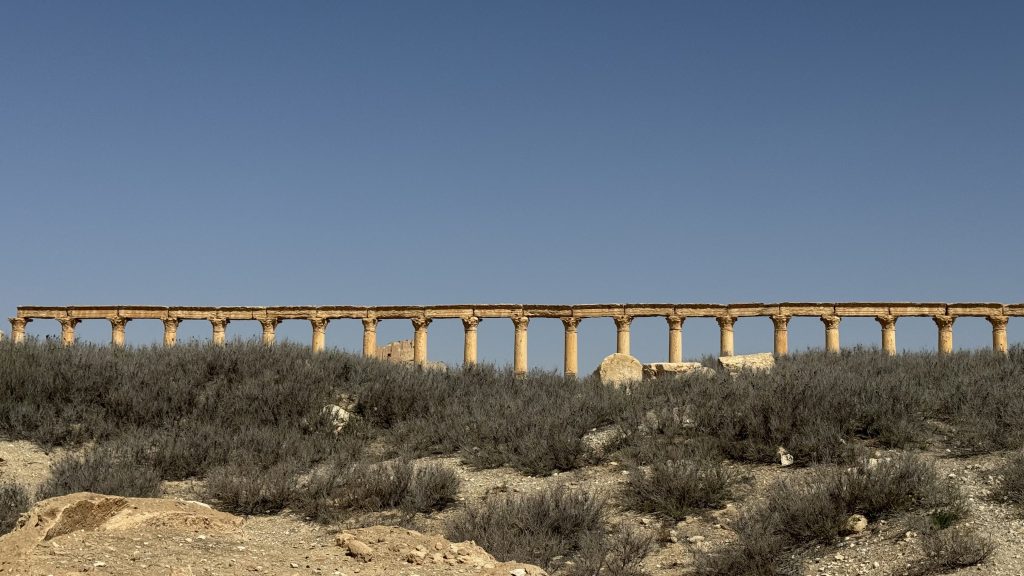
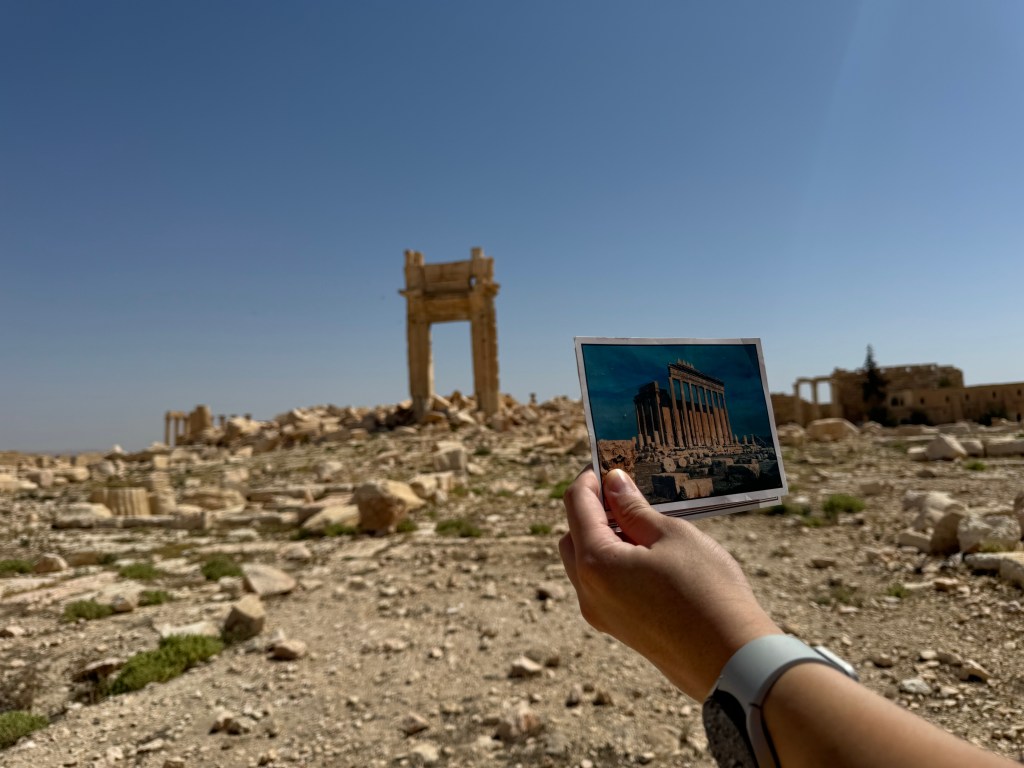
We spent most of the day here exploring as much of the site as is open, including the cave tombs which were used by ISIS. It is insane to see the before and after shots of Palmyra, as of course ISIS were on a mission to blow as much of this site up as possible. They sell postcards at the site of how it looked before, so you can do a nice comparison pic if you want, as we did.
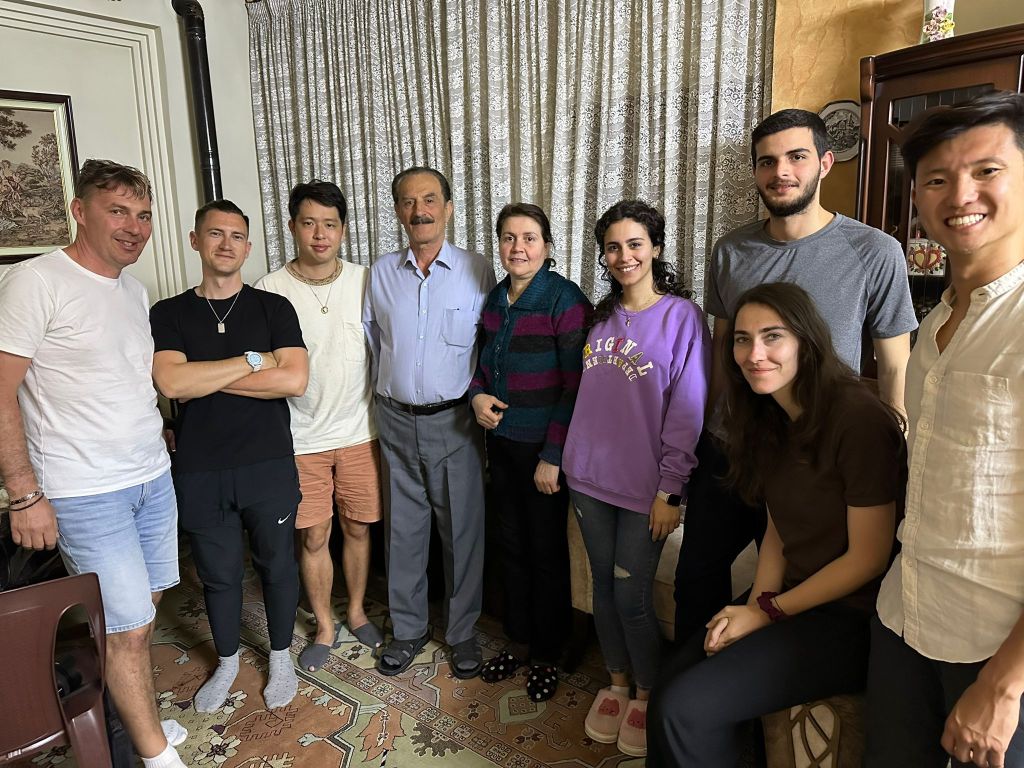
After the drive back to Damascus, we had an afternoon of shopping in all the great markets which was very fun, and had a local family meal arranged! We were invited into a local christian family’s home for a homemade Syrian dinner, and wow was this a cool experience. The family were extremely nice and hospitable and made us feel right at home, you really forget you are in Syria at times like these, where you are just connecting with other great humans over amazing food. It actually reminded me of some of my many great experiences in Turkey, with endless local homemade delicious food constantly coming out of the kitchen.
Day 6 / Damascus, Bosra & back to Beirut

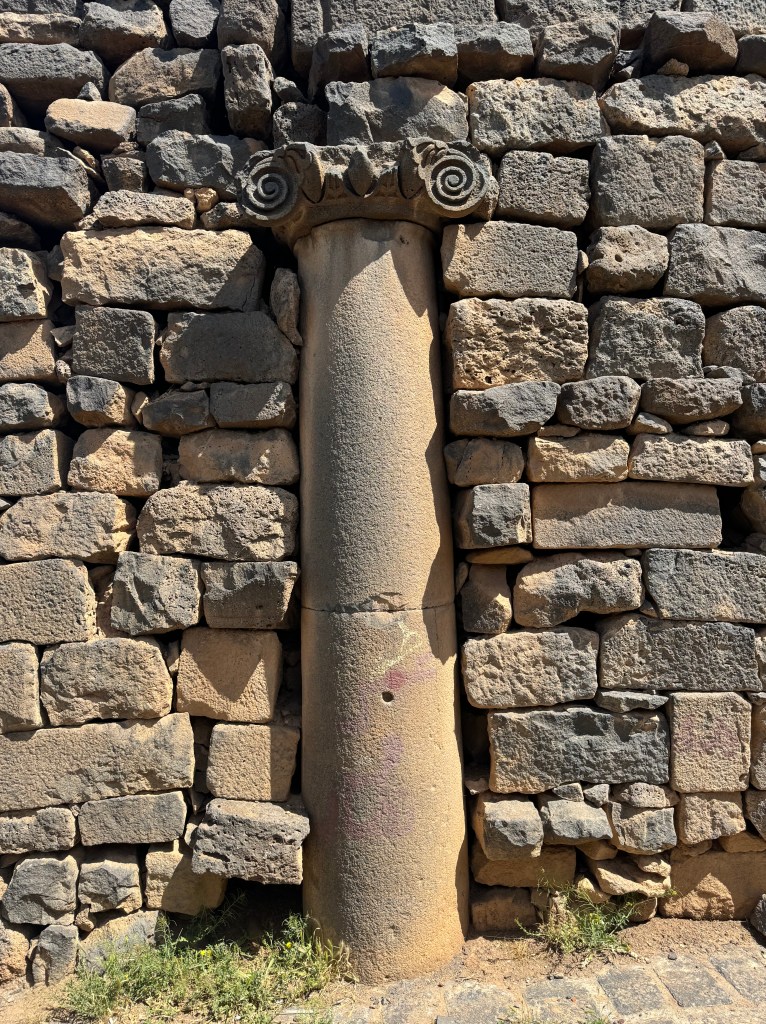
The final day we were just supposed to spend in Damascus before returning to Beirut, but we all opted to add a Bosra day trip to the tour. For this we started a bit earlier and headed down south, which isn’t too far, yet it is totally worth it! The Bosra Nabatean/Roman ruins were incredible as they were all black due to the volcanic stone located nearby, which creates a very unique look! Not just the stone colour too, but also the architecture and city design in general, which is a hybrid between these two peoples. The amphitheater there is arguably the best preserved Roman amphitheatre that exists today, and it’s black, how ridiculously unique and cool.

We then returned to Damascus, checked out and headed back to the Lebanese border and to the initial pickup point in Beirut. No problems at the border and everything was smooth!
We all had visas on arrival for Lebanon when we initially entered before the Syria tour, and we simply got them again once entering back from Syria without any problems. Lebanon knows that many tours to Syria go from Beirut so I think they make the VOA process quite simple at that land border.
Final Thoughts
Syria was incredible and was one of my highlights of the Middle East! I never felt unsafe, mostly because we were on a tour with a local guide and they know what and where to go and have all the papers ready for getting us around the country smoothly, although the Iranian embassy in Damascus was bombed by Israel the day that we drove out of the city, classic.
The people were on another level of hospitality and welcoming beyond belief, I can’t explain how many selfies we were all in and how many times people said hi and welcome. The history is on another level too with significant events in antiquity happening in modern day Syria, as well as religious importance – especially Damascus. The food was also delicious! I totally recommend a tour to Syria!

 Matt Vincelli
Leave a comment